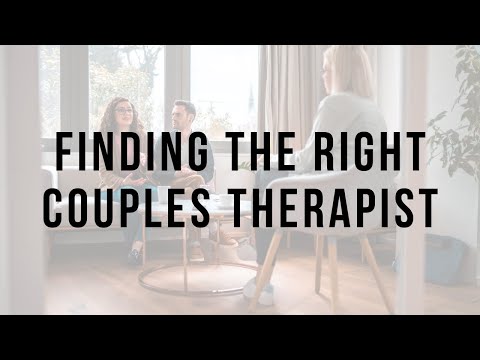
So, here’s the thing. Relationships can be tough. They can bring out the best and the worst in us, right?
You might find yourself thinking, “Do we really need therapy?” or “Can talking to someone even help us?” Honestly, it can.
Finding a good therapist nearby isn’t just a chore—it’s kind of like dating again. You want to find someone who fits and understands your vibe.
But where do you even start? Let’s break it down together.
Finding the Right Therapist for Relationship Issues: A Guide to Navigating Your Options
Finding the right therapist for relationship issues can feel like searching for a needle in a haystack. Seriously. It’s not just about picking someone with a fancy title or the right degrees. You want someone who resonates with you and your partner on a personal level.
So, where do you start? First off, let’s talk about what type of therapy you might need. There are several approaches out there, and knowing what fits your needs can really help narrow things down.
Individual vs. Couples Therapy
You know what I mean? Sometimes it feels more comfortable to talk about problems one-on-one, but if both partners are involved, couples therapy can be super beneficial. It focuses on improving communication patterns and understanding each other better.
Then there’s theoretical orientation. This is just a fancy way of saying how therapists approach problems. Some common styles include:
Do some research! You could use resources like Psychology Today or even ask friends for recommendations. It’s vital to read up on potential therapists’ backgrounds and specializations to find someone who fits well with your needs.
Another thing that matters? The vibe you get from them. Seriously! You’ll want someone who makes you feel comfortable, heard, and respected. Think about how they communicate during the initial conversation—are they warm? Do they listen well?
Now comes the tricky part: location and availability. Having a therapist nearby is great since it cuts down on travel anxiety after tough sessions. But don’t forget to check their schedule too—your time is valuable!
Also, consider budget. Therapy can be expensive if you’re not covered by insurance or if your plan isn’t very comprehensive. Don’t hesitate to ask about sliding scale fees or payment plans; many therapists understand financial constraints.
Once you’ve got some candidates in mind, set up an introductory call or session! This is your time to ask questions without diving into deep issues right away:
– What’s their experience with relationship issues?
– What therapy style do they prefer?
– How do they structure sessions?
This info will help you get a feel for whether they’re the right fit for you two.
Finally, be open to change if things aren’t working out as hoped after a few sessions. It’s totally okay to switch therapists; finding the right one can take time and experimentation!
Remember this process is about you feeling connected and safe while tackling some sensitive subjects together. And hey, every couple has rough patches—seeking help shows strength!
10 Tips for Finding the Right Couples Therapist for Your Relationship
Finding a couples therapist can feel a bit like searching for a needle in a haystack, right? You’ve got to find someone who really vibes with both of you. So, let’s break down some tips that can help you navigate this process without losing your mind.
1. Define Your Goals
Before you even start looking, it helps to sit down together and talk about what you’re hoping to achieve from therapy. Are you dealing with communication issues, trust problems, or maybe just trying to deepen your connection? Knowing your goals can guide you in finding the right fit.
2. Ask for Recommendations
Talk to friends or family who have been through couples therapy. Their experiences might lead you to someone great! If they’re open about it, ask what they liked or didn’t like about their therapist—it gives insight that reviews just can’t match.
3. Check Credentials
You want someone who knows their stuff, right? Look into their education and training. Therapists often list their credentials online—make sure they have proper training in couples therapy or relationships specifically.
4. Consider Compatibility
Just as important as training is how well you connect with the therapist. Think about this: how do they make you feel during initial meetings? It’s vital that both of you feel heard and respected.
5. Explore Their Approach
Different therapists use different methods—some might lean heavily on communication techniques while others may focus on emotional connections. Ask about their style during your first few chats; it can really set the tone for what’s to come.
6. Look at Specializations
If you’re navigating something specific—a blended family situation, long-distance relationship, or infidelity—find someone who specializes in those areas. This expertise can make a big difference in how well they understand your unique challenges.
7. Assess Logistics
Think practical: location matters! Decide if you’re okay with online sessions because sometimes that makes scheduling much easier. Also, check if the therapist’s hours work for both of your schedules; you don’t want conflicts to make things harder.
8. Budgeting Helps
Therapy costs vary widely, so knowing what you’re willing to spend is crucial before diving headfirst into sessions. Some therapists offer sliding scales based on income which could help if money’s tight.
9. Trust Your Gut
After meeting a potential therapist, pay attention to those gut feelings! If something feels off or doesn’t click for one of you—don’t hesitate to keep looking until finding one feels right.
10. Stay Open-Minded
Remember this is a process—not every session will be magical right away! You may need some time to adjust and figure out if it’s the right fit overall before calling it quits too soon.
Going into couples therapy takes courage and commitment from both partners, so finding the best fit requires patience too! Don’t rush; trust that the right person is waiting out there for both of you when you’re ready to take that next step together.
10 Essential Tips for Finding the Right Marriage Counselor for Your Relationship
Finding the right marriage counselor can feel like searching for a needle in a haystack. It’s not just about picking a name from a list; it’s about finding someone who gets you and your partner’s unique vibe. So, let’s break it down.
Start with Recommendations. Talk to friends or family who have been through counseling. Their experiences can give you a starting point. You know, personal referrals often lead to the best connections. Just make sure they fit your relationship dynamics, since every couple is different.
Check Credentials. This might sound obvious, but not all therapists are created equal! Look for licensed professionals with specific training in marriage and family therapy. Seriously, it matters. A good therapist will have credentials like LPC (Licensed Professional Counselor) or LCSW (Licensed Clinical Social Worker).
Focus on Specialization. Not every counselor specializes in couples’ therapy. Some might focus more on individual issues or trauma, which isn’t what you need right now. Look for someone who has worked with couples facing similar challenges as yours.
Consider Therapy Style. Different therapists have different approaches—some are more structured while others are flexible and free-flowing. You and your partner should discuss what feels comfortable for both of you. Knowing whether you want a direct approach or something more exploratory can save time later.
Meet for a Consultation. Most counselors offer an initial session to see if it’s a good fit. Use this time to gauge if their style matches yours. See how they communicate; does it feel easy? Do they listen? Trust your gut feelings during this first encounter!
Discuss Logistics Upfront. Things like location, cost, and session frequency should be clear from the start. Ask about insurance coverage too—nobody wants surprise bills! Plus, consider their availability: scheduling conflicts can become frustrating quickly.
Look for Reviews. Online reviews can reveal insights into other people’s experiences without putting anyone on blast! But take them with a grain of salt; one person’s bad experience doesn’t mean the therapist is no good overall.
Cultural Competence Matters. If cultural differences play a significant role in your relationship, look for someone who understands those nuances well. Some therapists specialize in diverse backgrounds or LGBTQ+ relationships, so don’t hesitate to seek that out!
Trust Your Instincts. It’s essential to feel comfortable discussing sensitive topics with your chosen counselor. If something just feels off after meeting them—even if they have great credentials—don’t be afraid to keep looking until you find someone who clicks.
Finally, remember that finding the right marriage counselor can take time and patience. Just because one person recommends someone doesn’t mean they’re perfect for you two as a couple—it’s all about that connection! By taking these steps seriously, you’re setting yourselves up for success on this journey together.
Finding a relationship therapist can feel like searching for a needle in a haystack, you know? There’s that weird mix of hope and anxiety when you start looking. I mean, you want someone who gets it, someone who can help you and your partner figure things out, but how do you even choose?
A while back, my friend Sarah was going through a tough time with her boyfriend. They loved each other but kept hitting walls. Seriously, it was like they were speaking different languages. After some late-night talks sprinkled with tears and pizza, she decided to find a therapist. She didn’t want just any therapist; she wanted one who understood their unique struggles.
So, she started by asking around. Word of mouth can be gold. Friends might know someone great or have recommendations from their own experiences. It’s super comforting to go with a name that already has trust attached to it.
Then there was the whole online search thing. It can be overwhelming with all the options out there! You read reviews and visit therapists’ websites to get a feel for their style—like looking at someone’s profile before a first date! Does their approach vibe with what you’re looking for? Do they specialize in relationships? What about communication styles or conflicts?
And let’s talk money because that’s always fun…not! Therapists vary widely in fees, so figuring out what fits your budget is key. Some places even have sliding scale options if money’s tight.
Once Sarah narrowed it down, she booked initial consultations—like little test drives to see if anyone clicked. It felt less formal and more like seeing if they could get on the same page.
Choosing the right therapist is about connection too! If the therapist made her feel understood and safe right from the start, that was definitely a good sign. If not? Well…next!
At the end of the day, it’s all about feeling comfortable enough to share your innermost quirks and struggles while working together as a team toward healthier communication.
So yeah, finding the best relationship therapist isn’t easy—it takes time—and patience too—but when you find that perfect fit? It’s totally worth it!