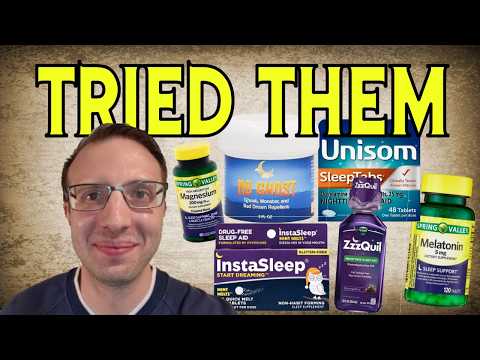
Hey there! So, let’s talk about something we all deal with at some point—those pesky nights when sleep just won’t happen. It’s like your brain decides to throw a wild party while you’re trying to count sheep, right?
And if anxiety is crashing that party? Ugh, that’s the worst. Seriously, you’re not alone in this struggle. Lots of folks are searching for ways to catch some Z’s without prescription meds.
That’s where over-the-counter sleep aids come into play. They can be a game-changer for those restless nights when your mind just won’t chill.
So, let’s dive into some of the best options out there that might help you find the calm you need for a good night’s sleep. Sound good?
Top Sleep Aids for Adults Struggling with Anxiety: Find Relief for Restful Nights
When anxiety keeps you up at night, finding a good sleep aid can feel like searching for a needle in a haystack. You’re not alone in this struggle. A lot of folks toss and turn, plagued by racing thoughts or that gnawing feeling in their stomachs. But hey, there are options out there that might help you catch some Z’s.
First off, let’s talk about **melatonin**. This hormone is produced naturally by your body to regulate sleep-wake cycles. When anxiety kicks in, melatonin levels can get all wonky. You can find it over the counter as a supplement. Many people take it to help ease into sleep. Usually, doses between 1 to 5 mg about an hour before bed do the trick for most adults.
Then there’s **diphenhydramine**, commonly found in products like Benadryl or even some nighttime cold meds. It’s an antihistamine that often makes you drowsy; it’s been used for years to help folks sleep better at night. Just keep in mind that its effects can vary from person to person—some might feel groggy the next day.
Another option is **doxylamine**, which is also an antihistamine but tends to be stronger on the sedative side compared to diphenhydramine. Typically found in brands like Unisom, it could help if your anxiety is seriously disrupting your nights.
Don’t forget about **herbal remedies**! For example, valerian root has been used for ages as a natural sleep aid and anxiety reliever. People often say it helps them relax and fall asleep faster without that groggy feeling afterward.
Some might recommend **magnesium supplements** too; magnesium plays a role in regulating neurotransmitters that send signals throughout your nervous system and brain. A little extra magnesium before bed might help calm anxious thoughts so you can drift off more peacefully.
Another thing worth mentioning is **L-theanine**, an amino acid found primarily in tea leaves. It’s known for promoting relaxation without making you drowsy—so if you’re looking for something less intense but still effective, this could be your go-to.
Also, don’t overlook basic lifestyle adjustments! Things like maintaining a regular sleep schedule or creating a calming bedtime ritual can make all the difference too. Try winding down with calming activities—reading or maybe sipping on some chamomile tea could pave the way for better rest.
But look, while these options are helpful, it’s important to talk with a healthcare professional before trying anything new—especially if you’re already on medication or have specific health concerns.
In summary:
- Melatonin: Natural hormone; great for adjusting sleep cycles.
- Diphenhydramine: Common antihistamine; may cause next-day grogginess.
- Doxylamine: Stronger antihistamine; helps with sleep disruptions.
- Valerian root: Herbal remedy known for promoting relaxation.
- Magnesium: Helps regulate neurotransmitters; calming effect.
- L-theanine: Promotes relaxation without drowsiness.
Getting quality sleep while battling anxiety isn’t easy, but exploring these options might just set you on the path toward more restful nights ahead!
Top Over-the-Counter Medications to Ease Anxiety and Improve Sleep Quality
So, let’s talk about anxiety and sleep. Both can be real pain in the neck, right? When you’re feeling anxious or can’t catch some z’s, sometimes over-the-counter (OTC) meds might help. But getting the right one is tricky; you want to be safe and effective at the same time!
First off, there are several OTC options out there that might help ease your anxiety and improve sleep quality. Here’s a rundown of a few popular ones:
- Diphenhydramine: This is an antihistamine found in products like Benadryl. It’s known to make you drowsy, so many people use it for sleep. However, it can cause next-day grogginess for some folks.
- Doxylamine: Another antihistamine, this one is often found in products like Unisom. It works similarly to diphenhydramine but can be a bit more effective for some people when it comes to knocking out anxiety-related sleeplessness.
- Melatonin: This isn’t exactly a medication but more of a hormone that helps regulate your sleep-wake cycle. People often take melatonin supplements when they struggle with falling asleep. It can be especially handy if your sleep issues are tied to feeling anxious about upcoming events.
- L-Theanine: Found in tea leaves, L-Theanine can promote relaxation without making you drowsy. Many folks use it to calm their nerves during the day or before bedtime.
- Valerian Root: A herb that’s been used for centuries as a sleep aid and anxiety reliever. Some people find it effective for calming their racing thoughts before hitting the hay.
Now, here’s the thing: not every option works for everyone. You know how sometimes you try on shoes that looked great online but just don’t fit right? Same vibe here!
A good example would be my buddy Sarah. She was really struggling with anxiety at night and couldn’t sleep because her mind was racing about work and bills—just like we all do sometimes! She tried doxylamine first but felt really foggy the next day. Then she switched to L-Theanine, which helped her chill out without making her feel out of it.
But remember: while these OTC meds might help, it’s essential to approach them cautiously. You really want to check in with your doctor first, especially if you’re taking other medications or have health concerns.
And lastly, lifestyle changes can also play a big role in managing anxiety and improving sleep quality—stuff like maintaining a consistent sleep schedule or practicing relaxation techniques before bed.
So there you have it—some common OTC options that might give you a little help with managing those pesky anxious moments and snoozing better at night!
Discover the Most Effective Over-the-Counter Sleep Aids for Restful Nights
Sleep is such a big deal, right? You know that feeling when you just can’t seem to drift off, and it’s like your brain is doing laps instead of winding down? Yeah, we’ve all been there. If you’re looking for something to help you catch those elusive Zs without needing a prescription, over-the-counter (OTC) sleep aids might be your go-to. But it can get a little tricky with so many options out there.
First off, let’s talk about melatonin. This hormone regulates your sleep-wake cycle and taking it as a supplement can help signal your body that it’s time to sleep. Many people find that even a low dose—like 0.5 mg to 3 mg—can make a difference in how quickly they fall asleep. Just keep in mind, it might not work the same for everyone.
Then there’s diphenhydramine, which is found in products like Benadryl and some other sleep aids. It’s an antihistamine that helps you feel drowsy. A common dose is around 25 mg to 50 mg. But here’s the thing: while it may knock you out for the night, some folks wake up feeling groggy the next day. It’s like trading one problem for another!
Another option is Doxylamine, known from brands like Unisom. This one also falls under the antihistamine category and works similarly to diphenhydramine but may offer less morning grogginess for some people. A usual dosage is around 25 mg before bed.
Now, if you’re into herbal remedies, Valerian root has been used for ages as a natural sedative. It might take longer to kick in compared to other aids but could lead to improved sleep quality over time. Many take around 300 mg to 600 mg half an hour before bed.
Also worth mentioning are products with chamomile. While it’s often consumed as tea, extracts are available as well! Chamomile might help calm anxiety, which can definitely interfere with sleep.
You might’ve heard about L-Theanine, too. It’s primarily found in tea leaves and promotes relaxation without sedation. Some people like taking it at night because it settles the mind without making them feel tired right away.
Of course, these OTC options are just tools; they’re not magic fix-alls. They won’t address underlying anxiety or chronic stress issues causing sleeplessness in the first place—just keep that in mind! And seriously, if insomnia or anxiety consistently messes with your sleep, talking to someone who knows their stuff about mental health could be really helpful.
To wrap this up nicely:
- Melatonin: Natural hormone; dosages from 0.5 mg – 3 mg.
- Diphenhydramine: Antihistamine; typically around 25-50 mg.
- Doxylamine: Another antihistamine; generally around 25 mg.
- Valerian root: Herbal option; doses between 300-600 mg.
- Chamomile: Herbal remedy usually as tea.
- L-Theanine: Promotes relaxation without sedation.
Finding what works best may take some trial and error; everybody’s different! So listen up: don’t hesitate to experiment safely and pay attention to how each one affects you—but always chat with your healthcare provider if you’re unsure about mixing treatments or have other health concerns—it’s super important!
So, let’s chat about sleep aids, especially those over-the-counter ones that can help with anxiety. You know how sometimes you just can’t seem to turn off your brain at night? I mean, it’s like your thoughts are having a party and forgot to invite you to chill out. Yeah, I’ve been there.
When there’s something nagging at you—worries about work, personal stuff, or even just the state of the world—it can feel impossible to drift off. That’s where those sleep aids come in handy. They’re not a magic cure-all but can be a nice little boost when anxiety has you in its grip.
Now, some popular options include melatonin and valerian root. Melatonin is basically the hormone that tells your body it’s time to sleep. People often take it as a supplement to help reset their internal clock. It’s like saying «Hey body, let’s wind down now.» Valerian root is more of an herbal remedy known for its calming effects—it’s been used forever in traditional medicine and is thought to help reduce the time it takes for you to fall asleep.
But here’s the thing: even though these are available without a prescription, they’re not all one-size-fits-all solutions. A good friend of mine tried melatonin once and felt super groggy the next day—like wading through fog! I mean, who needs that?
And then there are some people who swear by magnesium supplements because they claim it helps relax muscles and eases tension—a common companion of anxiety. It’s all about finding what works best for you.
But don’t forget about some simple lifestyle tweaks too! Things like reducing screen time before bed or practicing mindfulness can also make a big difference in calming that racing mind of yours.
Overall, while over-the-counter solutions can give some relief when you’re feeling frazzled, it’s important to listen to your body and maybe even consult with a healthcare professional if things get tough. Sometimes anxiety doesn’t play fair and needs more than just pills—like therapy or talking things out with someone who gets it.
So next time anxiety keeps you up at night, consider giving these options a shot—but also remember you’re not alone in this struggle! We’ve all had those nights where sleep feels like an elusive dream.