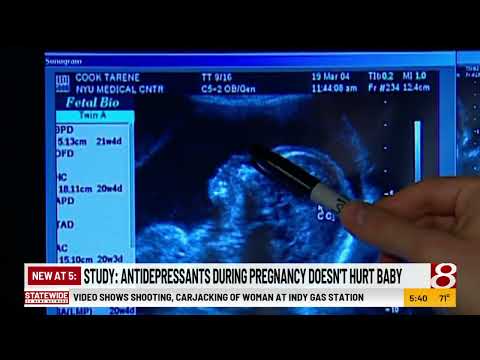
Pregnancy can feel like a roller coaster ride, right? Full of ups and downs, excitement and some serious worries. And if you’re dealing with mental health stuff on top of it all, well, that’s a whole different ballgame.
So here’s the deal: SSRIs, or selective serotonin reuptake inhibitors, are often prescribed to help with anxiety and depression. They can be a lifesaver for many people. But what about when you’re pregnant? You wanna do what’s best for your baby while also taking care of yourself.
Let’s chat about the best SSRIs for managing mental health during this wild journey. It’s all about finding that balance—because you matter too!
Zoloft vs. Prozac: Which Antidepressant is Safer During Pregnancy?
When it comes to managing depression during pregnancy, medication can be a touchy subject. You want to feel good, but you also worry about the little one growing inside you. Two common antidepressants that often come up in conversations are Zoloft and Prozac. Both belong to a class of medications called SSRIs, or selective serotonin reuptake inhibitors, which basically help balance the levels of serotonin in your brain.
Alright, let’s break this down.
Safety During Pregnancy
The main thing to remember is that both Zoloft and Prozac have been studied for their safety during pregnancy. But there are some differences between them that can influence decision-making.
- Zoloft (Sertraline): This one is generally considered safer during pregnancy than many other antidepressants. Some studies suggest it might cause fewer issues for the baby compared to others.
- Prozac (Fluoxetine): While effective, some research indicates it could be linked to a higher risk of complications like premature birth or low birth weight. It’s not off-limits but needs careful consideration.
Now here’s where things get tricky. Both medications can cross the placenta, which means they can affect your baby. But again, it doesn’t mean they automatically cause harm.
Withdrawal Symptoms
Another thing worth mentioning is withdrawal symptoms in newborns. Babies exposed to SSRIs during pregnancy might experience what’s called Neonatal Withdrawal Syndrome—kind of like when adults go through withdrawal but less severe. Zoloft might lead to fewer withdrawal symptoms compared to Prozac.
Consulting Your Doctor
It’s crucial not to skip this part: always talk with your healthcare provider about what feels right for you! They’ll consider your mental health history and the severity of your depression as they guide you through this process. Just bringing up your thoughts and concerns can help lighten that emotional load.
And if you’re still feeling unsure? It might help to connect with other expectant moms who have faced similar decisions! They might share their experiences and what worked for them.
In summary? Both Zoloft and Prozac have their pros and cons when it comes to safety during pregnancy, with Zoloft often having the edge in terms of safety profile. But don’t go making decisions based on general info alone—your specific situation matters most here!
Remember: staying connected with your care team is key while navigating these waters!
The Most Common Antidepressant Prescribed During Pregnancy: A Comprehensive Guide
I’m really glad you’re curious about this topic. It’s super important to understand how mental health and pregnancy intersect, especially when it comes to medications like antidepressants. So let’s break this down together.
When it comes to **antidepressants**, particularly the **SSRIs** (Selective Serotonin Reuptake Inhibitors), they’re often the go-to choice for managing depression during pregnancy. The most commonly prescribed SSRI during pregnancy is **sertraline**. It’s usually preferred because it has a pretty good safety profile and tends to be effective for many women.
Here are some key points about sertraline in pregnancy:
But here’s where it gets tricky—each woman’s situation is unique. Some folks might experience severe symptoms where the benefits of taking an antidepressant outweigh the risks involved. Others might get by with therapy alone or alternative treatments, like exercise or support groups.
Another aspect to consider is timing. Some research shows that starting medication earlier in pregnancy can help prevent worsening symptoms later on, but this isn’t one-size-fits-all advice.
And if you’re wondering about side effects, well—sertraline can sometimes lead to nausea or sleep disturbances in pregnant women. Oh! And after birth, babies exposed to SSRIs may experience mild withdrawal-like symptoms but generally do well overall.
So basically, making decisions about taking medications during pregnancy should always involve discussions with your healthcare provider. They’ll weigh all the pros and cons with you—because what works for one person might not work for another.
It’s super normal to feel uncertain about this stuff; trust me—it can feel overwhelming at times! Just know that you’re not alone in navigating these choices; support is out there if you need it!
The Safest Antidepressants to Consider During Pregnancy: A Comprehensive Guide
Pregnancy is a journey filled with excitement and challenges, but it can also be a time when mental health takes a hit. Dealing with depression or anxiety while pregnant? That’s tough, my friend. One major question that pops up is about antidepressants—specifically, which ones are the safest to consider.
First off, SSRIs, or selective serotonin reuptake inhibitors, are the most commonly prescribed antidepressants during pregnancy. They work by increasing serotonin levels in your brain, which can improve mood and alleviate anxiety. However, not all SSRIs are created equal when it comes to safety for your little one.
So, let’s break down some of the options:
But hold up! It’s not just about choosing a medication; you’ll need to weigh those risks with your doctor. Something important to keep in mind is that untreated mental health conditions can pose significant risks too—like preterm labor or postpartum depression.
Now—there’s more to think about! Many doctors recommend non-medication treatments as well, like therapy or support groups, especially if your symptoms are mild. Sometimes talking things out can work wonders.
If you’re already on medication before getting pregnant? Don’t just stop taking it on a whim! That could lead to withdrawal symptoms or an increase in depression symptoms. Chatting with your healthcare provider helps figure out the best plan moving forward.
In short: finding the right balance during pregnancy is key. Your mental well-being matters just as much as your baby’s health! So stay connected with healthcare professionals who get where you’re coming from—because having support makes all the difference during this whirlwind time of life.
You know, pregnancy is such a whirlwind of emotions and changes. Like, one minute you’re over the moon, and the next, you might feel overwhelmed or anxious. And if you’ve been struggling with mental health issues before getting pregnant, that can add another layer to everything. So it’s really important to talk about something like SSRIs during this time.
SSRIs, or selective serotonin reuptake inhibitors, are often prescribed for anxiety and depression. They can help boost your mood by increasing serotonin levels in your brain. But when you’re pregnant? That’s a whole different ball game. You have to consider the potential effects on both you and your baby.
For some women, continuing an SSRI during pregnancy can be beneficial. They might find that their mental health stabilizes, which is crucial not just for them but also for their little one on the way. But obviously, these medications aren’t without risks. There have been discussions about possible links between SSRIs and certain issues in newborns, which can be scary to think about.
A friend of mine was pregnant last year and had been on an SSRI before she conceived. She was super stressed about whether she should stay on it or switch to something else. After chatting with her doctor, they found a plan that felt safe for both her and her baby. It was a tough decision! I remember how hard it was for her to weigh those options; she didn’t want her mental health to suffer but also wanted to do what was best for the baby.
So if you’re in this boat or know someone who is, it really comes down to having open conversations with healthcare providers. Your doctor can help figure out what’s safest based on your personal history and what feels right for you.
Pregnancy is such an emotional rollercoaster already; managing mental health during this time shouldn’t make it harder than it needs to be! It’s all about finding that balance while staying connected with those who support you—whether it’s friends or family—because hey, nobody has to go through this alone!