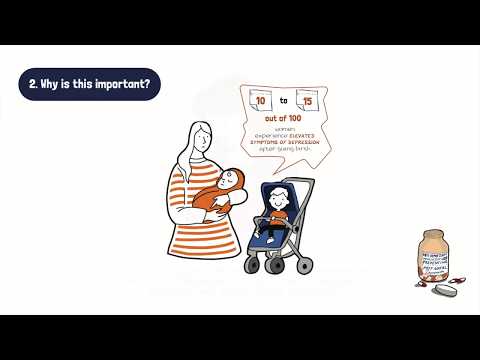
Hey there! So, let’s chat about something that doesn’t get enough attention—postpartum depression.
You know, having a baby is a wild ride. It’s like one moment you’re dreaming about tiny baby shoes, and the next, you’re feeling super overwhelmed. It happens to a lot of new moms, and it’s tough.
That’s where SSRIs come into play. These little pills can really help lift some of that heavy fog. But not all SSRIs are created equal for postpartum stuff—so, yeah, let’s break down some of the top ones that can actually make a difference.
Seriously, if you’ve been feeling off after having your little one or just want to know more for someone else, stick around!
The Ultimate Guide to the Best SSRIs for Postpartum Depression: Finding the Right Medication for New Moms
Postpartum depression (PPD) can hit hard. If you’ve just become a mom and you’re feeling low, anxious, or just plain overwhelmed, know that you’re not alone. It’s a big life change, and your body is also going through a ton of hormonal shifts. Sometimes, medication—like SSRIs (selective serotonin reuptake inhibitors)—can help.
SSRIs work by increasing serotonin levels in the brain. Serotonin is often called the «feel-good» chemical because it helps regulate mood. Here are some popular SSRIs typically prescribed for postpartum depression:
- Sertraline (Zoloft): This is often a go-to choice for new moms. It’s usually well-tolerated and has a good safety profile for breastfeeding.
- Fluoxetine (Prozac): Another common option. It’s been around for ages and might be effective if you’re dealing with both PPD and anxiety.
- Citalopram (Celexa): This one can be helpful too, especially if you have insomnia along with depressive symptoms.
- Escitalopram (Lexapro): Similar to Citalopram but often preferred due to its potentially fewer side effects.
Choosing the right SSRI isn’t always straightforward though. You might have to try a couple before finding one that clicks with you. And remember, sometimes it takes a few weeks to notice any changes once you start taking an SSRI.
One time I spoke with a friend who had postpartum depression after her first baby. She felt completely lost at first—sometimes even doubting her ability to care for her baby, which was heart-wrenching. After chatting with her doctor, she decided to try sertraline. Within about six weeks, she started feeling more like herself again! Imagine being able to enjoy those sweet moments instead of just surviving them.
After starting on an SSRI, it’s important to keep in touch with your doctor about how you’re feeling. Side effects can happen—like changes in appetite or sleep disturbances—but they may not last long.
Considerations are key. If you’re breastfeeding, definitely talk this through with your healthcare provider because some medications are safer than others when it comes to passing through breast milk.
Lastly, while medication can be super helpful, it’s often most effective when combined with therapy or support groups. You might find that talking things out helps lift the fog even faster.
So if you’re struggling after having a baby and thinking SSRIs could help you out? Don’t hesitate to reach out to your doctor—they’re there for this kind of support! You’ve got this!
Zoloft vs. Lexapro: Which Antidepressant Is More Effective for Postpartum Depression?
When it comes to managing postpartum depression, figuring out the right antidepressant can feel overwhelming. Asking whether Zoloft or Lexapro is more effective is totally valid—it’s a really important question! Let’s break it down without getting too bogged down in the details.
Zoloft and Lexapro both belong to a class of medications called SSRIs (selective serotonin reuptake inhibitors). Basically, these meds help balance serotonin levels in your brain. This can lift mood, reduce anxiety, and make you feel more like yourself after giving birth.
Now, let’s get into some specifics about each one.
Zoloft (Sertraline): It has been widely studied for postpartum depression. Many women find it effective for alleviating their symptoms. It’s generally considered safe for breastfeeding moms, which is a huge plus if you’re nursing. Some common side effects include nausea, diarrhea, or sleepiness—and let’s be honest, who needs more of that during those early weeks with a newborn?
Lexapro (Escitalopram): This one’s also shown promise in treating postpartum depression but has fewer studies directly focused on it compared to Zoloft. Many users report feeling less anxious and more balanced after taking Lexapro. However, side effects may include fatigue or trouble sleeping—again, not ideal when you’re already juggling sleepless nights!
So which one’s better? Well, it kind of depends on you.
Something really important to remember is that both medications can take several weeks to really kick in—so don’t lose hope if you don’t feel instant relief!
A friend of mine went through this not long ago; she was battling severe postpartum depression after her second baby. After trying Zoloft first without much luck due to bad side effects like insomnia, her doctor suggested Lexapro as an alternative. Surprisingly enough, it turned out to be way better for her! Within a few weeks, she felt more like herself again—able to enjoy time with her kiddos instead of just getting through each day.
In the end, discussing options with your healthcare provider is key here—they’ll guide you based on what fits your unique situation best! The goal is finding a solution that helps lift those clouds hanging over your head so you can truly embrace motherhood without feeling overwhelmed.
The Best SSRIs for Managing Persistent Depressive Disorder: A Comprehensive Guide
I’m really glad you’re looking to understand more about persistent depressive disorder (PDD) and how SSRIs can help with it. PDD, sometimes called chronic depression, can feel like a heavy cloud that just won’t go away. And when you add the complexities of postpartum depression into the mix, it can be even tougher. So, let’s break this down a bit.
SSRIs, or selective serotonin reuptake inhibitors, are a common type of medication used to treat various forms of depression, including PDD. What they do is simple in theory: they help boost serotonin levels in your brain. This neurotransmitter plays a huge role in mood regulation. So, if you’re feeling down or stuck in that rut of persistent sadness, SSRIs might be part of the solution.
Some widely prescribed SSRIs for PDD include:
It’s vital to remember that everyone’s brain works differently. What works wonders for one person might not cut it for another. That makes it super important to have an open chat with your doctor about what you’re experiencing and what medications you’ve tried in the past.
Now, here’s where things might get emotional. Imagine getting up every morning feeling like you’re dragging a huge weight behind you. You put on a brave face and try to get through the day, but that enthusiasm for life just doesn’t click anymore. That sense of heaviness can be overwhelming—like fighting through mud just to live life normally.
But there’s hope! Many people find SSRIs help lift that heaviness over time—like finally seeing blue skies after weeks of gray clouds rolling by. It doesn’t mean everything will be perfect overnight; finding the right dosage or medication can take time and patience.
And don’t forget therapy! Combining SSRIs with talking therapies often leads to better outcomes. The two together can really pack a punch when it comes to tackling persistent depression head-on.
So if you’re on this journey or know someone who is dealing with PDD or postpartum depression, remember: you’re not alone in this fight—and there are options out there! Keep advocating for yourself or your loved ones because navigating treatment can sometimes feel like wandering through fog; but with time and support, clarity will come back into view again!
Postpartum depression, or PPD, is one of those things that can really throw a new mom for a loop. I mean, you have this tiny human dependent on you, and it’s supposed to be all joy and love, but instead, there’s this cloud hanging over your head. It can feel so isolating and confusing.
I remember talking to a friend who had gone through it after her first baby. She’d always been the carefree one in our group—always laughing and making jokes. But then she had her little one, and it was like someone turned off the lights in her world. She felt overwhelmed by sadness that wouldn’t go away no matter how much she tried to shake it off. It was heartbreaking just to see her struggle.
That’s where medications like SSRIs—selective serotonin reuptake inhibitors—can play an important role for some women dealing with PPD. They work by balancing out those pesky chemicals in the brain that affect mood. You know how sometimes we all need a little help getting back on track? Well, for many new moms experiencing PPD, SSRIs might be just what they need.
Now, not every SSRI is the same; they all have their quirks and side effects that can differ person to person. There are popular ones like sertraline (often known as Zoloft) or fluoxetine (Prozac). Each has its own vibe when it comes to easing those heavy feelings.
But here’s the thing—you shouldn’t dive into medication without chatting with a doc first! Everyone’s different; what works wonders for one person might not do much for another. It’s all about finding the right fit for you.
You’ve got to take care of yourself if you’re going to care for your little one! If you’re feeling lost or drained after giving birth, don’t hesitate to reach out for help—whether that’s through therapy or medications like SSRIs. Seriously, looking after your own mental health isn’t just okay; it’s essential! So if you’re struggling with PPD or know someone who is, talk about it more openly—because no one should have to navigate this challenging time alone!