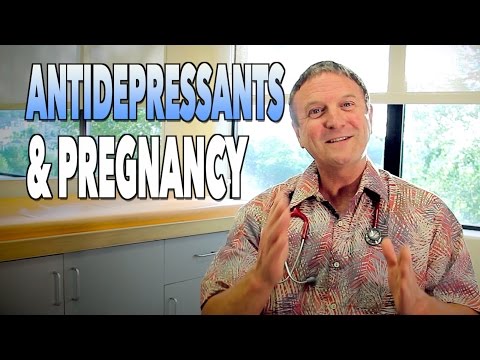
Hey, so let’s chat about something that’s super important yet often kind of brushed aside – mental health during pregnancy. You know, that time when everything’s changing. Your body, your emotions, and often your mental state too.
It can feel like a roller coaster ride without the fun part of being at an amusement park, right? And if you’re someone who’s been dealing with anxiety or depression, the question of what to do while pregnant can be really daunting.
That’s where SSRIs come in. These meds might help ease those mental health bumps along the way. But there’s definitely a lot to think about! Let’s break it down together. What works best for you and your little one?
Comparing Lexapro and Zoloft: Which Is Safer During Pregnancy?
When it comes to dealing with mental health during pregnancy, choosing the right medication can feel like a daunting task. So let’s chat about two commonly prescribed options: **Lexapro** (escitalopram) and **Zoloft** (sertraline). Both are part of a class called SSRIs, or selective serotonin reuptake inhibitors. They help by balancing those pesky neurotransmitters in your brain. But how do they stack up when it comes to safety for you and your baby?
Lexapro has been generally considered safe during pregnancy, but there aren’t as many studies specifically focused on it compared to Zoloft. You might think about how this could impact your choice. Some research suggests that Lexapro might have less risk for complications like preterm birth or low birth weight, but it’s not super clear.
On the other hand, Zoloft has a bit more backing in terms of safety data. It’s one of the most studied antidepressants for pregnant women. Experts often recommend it because it appears to have a lower risk of complications related to pregnancy, such as pulmonary hypertension in newborns.
So let’s break down some key points:
- Research Support: Zoloft has more studies supporting its use during pregnancy than Lexapro.
- Birth Outcomes: Some reports say Lexapro might be linked to certain risks; Zoloft seems safer according to numerous studies.
- Withdrawal Symptoms: Babies exposed to either drug may experience withdrawal symptoms after birth—a reality that can depend on dosage and timing.
- Dosing: Finding the right dose is crucial—sometimes lowering the dose can help minimize risks regardless of which medication you choose.
Here’s an emotional anecdote for you: A close friend of mine was pregnant and struggled with anxiety. She had been on Zoloft before getting pregnant but was really worried about what would happen if she continued it. After talking with her doctor, they decided together that sticking with Zoloft was best for both her and her baby because of its proven safety record. In the end, she felt relief knowing she had support while going through this big change.
Ultimately, both medications come with their pros and cons, so it’s essential to consult your healthcare provider. They’ll help weigh your mental health needs against potential risks for your baby. The thing is, every individual is different—it’s all about finding what works best for you in this complicated journey!
Top Treatments for Managing Depression and Anxiety in Pregnant Patients: A Comprehensive Guide
Managing depression and anxiety during pregnancy is a big deal, and it can feel pretty overwhelming. You want to keep yourself healthy while making sure you’re doing what’s best for your baby, right? Let’s dig into some of the top treatments that can help you navigate this challenging time.
Therapy is often a first step. Many folks find talking things out with a therapist super helpful. Cognitive-behavioral therapy (CBT), for instance, focuses on changing negative thought patterns. It’s all about finding new ways to deal with those feelings. Imagine sitting in a cozy chair, just sharing what’s on your mind and learning tools to cope better. It can really make a difference.
Another option is medication, like SSRIs (Selective Serotonin Reuptake Inhibitors). These are often prescribed for depression and anxiety because they can help balance mood without messing with other stuff too much. Some common SSRIs include fluoxetine (Prozac) and sertraline (Zoloft). Doctors usually weigh the benefits against any potential risks to the baby, so it’s important to have an open chat about this with your healthcare provider.
Now, not every pregnant person will need meds. Some may find relief through lifestyle changes or support groups. These can be wonderful! Just being around people who get it makes everything feel less lonely. Plus, practices like yoga or meditation can help soothe anxiety and lift your mood.
Exercise is also key. You don’t have to hit the gym hard; even walking regularly can boost those endorphins—those happy hormones that make you feel good. If you like dancing or swimming, go for it! Just remember to check in with your doctor about what activities are safe for you during pregnancy.
And then there’s mindfulness. Mindfulness practices encourage living in the moment which sounds simple but can really affect how you feel about everything swirling around you. Think of it as giving yourself permission to pause and breathe deeply when things get rough.
Family support plays a huge role as well; having someone who understands what you’re going through makes a world of difference. So lean on friends or family members when things get tough!
In summary, managing depression and anxiety during pregnancy includes various treatments such as:
- Therapy: Practical conversations that help shift negative thoughts.
- Medication: SSRIs like fluoxetine and sertraline under doctor guidance.
- Lifestyle Changes: Support groups and physical activity.
- Mindfulness: Techniques that promote present-moment awareness.
- Family Support: Friends and loved ones who listen make everything easier!
So if you’re feeling stressed or down while pregnant, remember there are paths forward—it doesn’t have to be all doom and gloom! Just talk to your healthcare provider about what feels right for you. You’ve got this!
Zoloft vs. Prozac: Which Antidepressant is Safer During Pregnancy?
So, you’re curious about Zoloft and Prozac when it comes to pregnancy, huh? That’s a pretty important topic. Both are selective serotonin reuptake inhibitors (SSRIs), which means they work by increasing the levels of serotonin in the brain, helping with depression and anxiety. But you probably want to know which one is safer during pregnancy. Let’s break it down.
First off, Zoloft (known as sertraline) and Prozac (fluoxetine) have been used by many women during pregnancy. Research has shown that both can be effective for treating depression in expecting moms. But the safety profiles can be a bit different.
When we look at studies, it seems like Zoloft is often recommended more frequently during pregnancy. One reason is that it has been associated with a lower risk of certain complications compared to Prozac. For instance:
- Zoloft: Some studies suggest that it might be less likely to cause issues like persistent pulmonary hypertension in newborns (PPHN), a serious condition affecting breathing.
- Prozac: This one has been linked to an increased risk for PPHN when taken late in pregnancy.
But here’s the catch – it’s not all black and white. Each person’s situation is unique, so what’s safe for one person might not be for another. It can also depend on factors like your overall health, how severe your symptoms are, and what other medications you’re taking.
You know someone once shared how tough their decision was about medication while pregnant? They felt overwhelmed but found comfort in discussing their options with a healthcare provider who understood their concerns.
And don’t forget: discontinuing antidepressants during pregnancy can also come with risks, like relapse into depression or anxiety. So it’s essential to weigh those risks too.
Looking at side effects, both medications have their own list of potential issues. Zoloft could lead to things like nausea or sleep disturbances; meanwhile, Prozac might cause headaches or gastrointestinal problems. You’d really need to talk about these possible side effects with your doctor — they’ll help you figure out what works best for you.
Ultimately, if you’re leaning toward either medication while pregnant or considering other options altogether, chatting with your healthcare provider is key. They’ll help you navigate through all these details so that you feel safe and supported during this time!
Okay, so let’s talk about something that’s super important but can be pretty confusing: managing mental health during pregnancy, especially when it involves SSRIs, which stand for selective serotonin reuptake inhibitors. If you’ve been there or know someone who has, you probably realize how tricky this whole situation can be, right?
So here’s the deal. Pregnancy is a wild ride for your body and brain. Hormonal changes can throw your emotions all over the place. You might feel like you’re on top of the world one minute and then suddenly in a dark place the next. It’s not fun! For some folks, SSRIs are a go-to option for handling anxiety or depression, which might be good news if you’re struggling.
But the thing is, there are so many factors to consider during pregnancy when it comes to medications. You’ve got to think about your mental health but also what those medications might mean for your baby’s health. Honestly, it could feel like walking through a maze while blindfolded!
I remember chatting with a friend of mine who was pregnant and had a history of anxiety. She was really worried about whether her SSRI would affect her baby. She told me about how she felt guilty even thinking about taking her meds while pregnant. That’s such a common feeling among moms-to-be who deal with mental health struggles; you just want to do what’s best for your little one.
Some studies show that certain SSRIs like sertraline (Zoloft) and fluoxetine (Prozac) may be safer options during pregnancy compared to others. But hey, let me be clear: you should never just switch or stop medications without talking to your doc first! They’ll help weigh the pros and cons and figure out what works best for you.
And here’s another thing: being open about how you’re feeling—like really open—can make all the difference too. It helps not only in making informed decisions but also in building that support system around you.
Mental health matters just as much as physical health during pregnancy, you know? It’s totally okay to ask for help or seek advice from professionals who understand these kinds of dilemmas well.
In short, if you’re navigating these waters or know someone who is—just remember that it’s okay to prioritize both your wellbeing and that precious little one on the way!