You know, dealing with ADHD as an adult can be a real rollercoaster. Some days are great, and others? Well, it feels like you’re stuck in quicksand.
I’ve seen friends struggle with focus and organization. It’s tough! But hey, there’s been some buzz around supplements that might help a bit. I mean, why not explore every avenue, right?
What if something as simple as a vitamin could make those days a little smoother? Let’s chat about some options out there!
Top Supplements for Managing ADHD Symptoms in Adults: A Comprehensive Guide
Managing ADHD symptoms can be a bit of a rollercoaster, right? Sometimes, you just want to find something that helps you focus or calm that racing mind without having to dive into prescription meds. Supplements are one way to go, but let’s keep it real—they’re not magic pills. It’s always best to talk to a doc before starting anything.
So here are some popular supplements that people often consider for managing ADHD symptoms in adults:
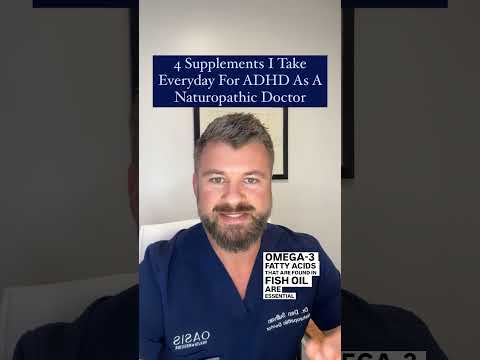
- Omega-3 Fatty Acids: These guys are known for their brain-boosting benefits. Studies have shown they can help with attention and cognitive function. You can find them in fish oil supplements or munch on some fatty fish like salmon.
- Zinc: There’s research suggesting zinc may play a role in managing ADHD symptoms, especially if there’s a deficiency. It’s found in meats, nuts, and beans, but you could also get it through supplements.
- Magnesium: This mineral is crucial for brain health and can help with mood stabilization too. Some folks with ADHD find that magnesium supplements help reduce hyperactivity and improve sleep quality. You might want to check out magnesium-rich foods like spinach or almonds as well.
- L-Theanine: If you’re looking for something that promotes relaxation without causing drowsiness, L-theanine from green tea might be your new best friend. Some studies suggest it can help improve focus and reduce anxiety levels.
- B Vitamins: A range of B vitamins support brain health and energy levels. For instance, B6 has been linked with serotonin production which can affect mood regulation—important when dealing with ADHD symptoms!
- Iron: Similar to zinc, if you’re low on iron, it could potentially impact cognition. It’s wise to check your levels before starting any iron supplement since too much isn’t good news either.
Look, while these supplements might offer some hope for managing symptoms, they’re not substitutes for other treatment methods like therapy or medication. Think of them more as part of your toolkit rather than the whole toolbox.
A friend of mine was diagnosed with ADHD in his twenties and decided he’d try omega-3s after doing some reading online. He said he noticed he could concentrate better during meetings at work after a few weeks of taking them consistently—no drastic changes but definitely noticeable improvements.
However, everyone’s different! What works wonders for one person might not do much for another; that’s the nature of ADHD. So if you’re considering trying out any supplements, checking in with your healthcare provider beforehand is super important!
Natural Strategies to Manage and Improve Adult ADHD Symptoms
Managing and improving ADHD symptoms as an adult can feel overwhelming at times. Seriously, it’s like trying to juggle while riding a unicycle, right? Luckily, there are some natural strategies that can really help you out. Let’s talk about a few of those, shall we?
Diet Changes
First off, your diet can play a big role in how you feel and function. Foods rich in omega-3 fatty acids—think fish like salmon or walnuts—can be super beneficial for ADHD folks. These fats are essential for brain health and may help with focus and mood.
Also, keeping your blood sugar stable is key. You want to avoid those wild blood sugar spikes and crashes that can leave you feeling all over the place. So, consider opting for whole grains, proteins, and lots of fruits and veggies.
Exercise Regularly
Alrighty then! Let’s get moving! Regular exercise isn’t just good for your body; it’s essential for your brain too. Studies show that physical activity can improve attention and decrease impulsivity. It doesn’t have to be intense either—just hitting the gym or even taking walks can make a real difference.
Plus, when you exercise, your body releases endorphins which boost your mood. Think about how amazing it feels after a good workout—you’re on cloud nine!
Mindfulness Practices
Mindfulness is basically just being present in the moment without judgment. It could be meditation or simply taking some deep breaths when you’re feeling frazzled. This practice helps calm your mind and improves focus over time.
It might feel weird at first—like trying to catch butterflies—but with practice, it becomes easier! Just give yourself a few minutes each day to sit quietly or focus on your breath.
Sleep Hygiene
Don’t underestimate the power of good sleep! Lack of sleep can amplify ADHD symptoms big time. So try creating a bedtime routine that helps signal to your body it’s time to wind down.
Think about dimming the lights an hour before bed or putting away screens—trust me on this one! You want quality zzz’s because they restore energy and clarity for the next day.
Supplements
Okay, let’s touch on supplements briefly; here are some popular ones people consider:
But remember: Always chat with a healthcare professional before starting any supplement regimen!
Create Structure
Lastly, having structure in your life is huge! Organizing tasks into smaller chunks makes them way more manageable. You might want to use planners or digital apps—it doesn’t matter as long as it helps keep you on track.
Basically, creating routines around daily activities reduces overwhelm and increases productivity—as if you’re stacking little building blocks instead of tackling one giant wall all at once!
These natural strategies aren’t going to magically cure ADHD; they’re simply tools you can use alongside professional treatment if needed. So keep experimenting until you find what works best for you!
Natural Supplements That Mimic ADHD Medication: Exploring Alternative Options
When it comes to managing ADHD, many people look for alternatives to medication. Some folks, you know, want options that feel a bit more natural. So let’s take a closer look at some supplements that have been suggested as potentially helpful for adults dealing with ADHD.
First off, Omega-3 fatty acids are super popular. These are found in fish oil and can boost brain health. Several studies suggest they may help with attention and focus, which is often a challenge for people with ADHD. It’s like giving your brain a little extra fuel to function better!
Then there’s L-theanine, an amino acid often found in green tea. It can promote relaxation without making you sleepy. Some people find it helps them concentrate better, making it easier to handle tasks they’d otherwise find overwhelming.
Another one that pops up is Rhodiola rosea. This herb has adaptogenic properties, meaning it helps your body adapt to stress. Stress management is key for many dealing with ADHD since anxiety often tags along for the ride. Rhodiola might help you feel more balanced and focused.
You might also hear about Ginkgo biloba. This herbal supplement has been studied for its potential cognitive benefits, and some believe it could improve attention span in adults with ADHD. The thought is that it increases blood flow to the brain; more blood means more nutrients and oxygen getting where they need to go!
And let’s not forget about Zinc. Low levels of zinc have been linked to ADHD symptoms in some studies, so supplementing could be beneficial if you’re deficient. Just a heads-up: You’d want to check this out with your doctor before diving into supplementation.
But hold on! Even though these supplements can sound appealing, it’s important to approach them cautiously. Everybody’s brain chemistry is different; what works wonders for one person might do nothing or even backfire for another.
Speaking of personal experiences—my friend Sarah had been struggling with focus at work forever. She tried fish oil after reading some articles online and noticed she felt less scatterbrained over time! Of course, she paired this with other strategies like setting reminders and breaking work into smaller tasks—because one thing I’ve learned? It takes a mix of approaches sometimes.
Anyway, before jumping on the supplement train, definitely chat with a healthcare professional about what fits best for you personally. They can guide you based on your medical history and needs while ensuring there’s nothing weird going on alongside any other treatments you’re using.
There you have it: some natural options floating around that might mimic what traditional ADHD meds do when it comes to enhancing focus or calmness! Just remember: knowledge is power!
You know, dealing with ADHD as an adult can feel like trying to juggle flaming torches while riding a unicycle on a tightrope. It’s not easy, and some days, you just want a little help to keep everything from crashing down. That’s where some folks turn to supplements.
I was chatting with a friend recently who mentioned how he found some relief from his ADHD symptoms by using certain supplements. He used to be all over the place—forgetting appointments, losing track of time during work meetings, and struggling to focus on projects. But after doing some research and talking with his doctor, he decided to give a couple of supplements a shot.
One of the big ones people talk about is omega-3 fatty acids. They’re found in fish oil and have been linked to better brain health. My friend swears by them now! He says it’s like someone turned up the volume on his ability to focus. Isn’t that wild? Just little capsules doing wonders.
Then there’s magnesium, which seems to help calm the mind down for some people. My friend told me it’s helped him chill out at night, making it easier for him to fall asleep instead of tossing and turning while thinking about everything he forgot that day—straight up relatable!
But here’s the catch: not everything works for everyone, right? And sometimes these supplements interact with medications or other health conditions you might have. So if you’re considering trying something out, it’s always good to chat with your doctor first—you know?
Also, there are herbal options like ginkgo biloba and ginseng that people swear by too! Others have had success with zinc or even certain vitamins like B6 and C. It’s all about finding what clicks for you.
So yeah, while supplements can be an option for improving ADHD symptoms in adults, remember they’re not magic pills (unfortunately!). They can be part of a bigger picture that includes therapy or lifestyle changes—like exercise or diet adjustments—which are super important too.
At the end of the day, balancing those flaming torches just takes practice—and maybe a little help from nature’s medicine cabinet along the way!