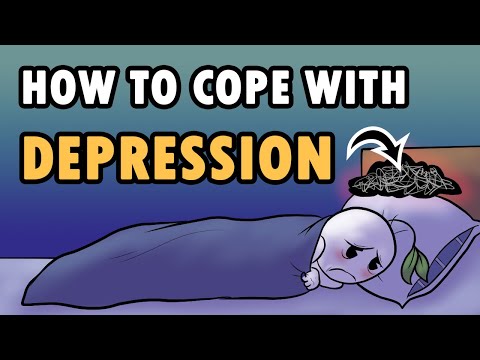
You know, depression can hit hard. It’s like this heavy blanket that just weighs you down. Sometimes, it feels like there’s no way out.
But here’s the thing: you’re not alone in this fight. Lots of people have been right where you are. They’ve felt that darkness, and they’ve found their way back to the light.
Therapy can be a game changer. It might seem a bit daunting at first, but it’s seriously worth considering.
There are so many effective treatments out there waiting to help you rise above those tough days. Let’s break them down together and see what might work for you!
Understanding How Therapists Support Overcoming Depression: A Guide to Effective Treatment
Depression can feel like a heavy blanket that just won’t budge. It’s not just feeling sad; it’s a mix of emotions, like hopelessness and fatigue. If you’re in the thick of it, you might be asking how therapy can really help you get through. Well, let’s break down how therapists lend a hand in overcoming depression.
First off, **therapy isn’t one-size-fits-all**. There are various approaches that therapists use to help you find your way out of that dark tunnel. Some common methods include:
Now, let’s chat about the role of the therapist in this journey. A good therapist is more than just someone who listens—think of them as a guide on your path to recovery. They create a safe space where you can express yourself freely without fear of judgment.
For example, imagine going into therapy feeling completely overwhelmed while discussing something that happened last week—like missing an important deadline at work. Your therapist might ask questions to help uncover what triggered those feelings of inadequacy or stress, helping you understand why that event hit so hard.
**Building trust** is key here. You need to feel comfortable opening up about not-so-great stuff in your life. That connection lets you explore deep-rooted issues that might be fueling your depression.
Another essential aspect is setting achievable goals together with your therapist—think baby steps! Working towards these small but meaningful targets can create a sense of accomplishment and motivation.
Therapists also offer **tools and techniques** for managing symptoms outside the session. This could range from journaling to practicing relaxation techniques or developing coping strategies for tough days.
And let’s not underestimate the power of feedback during therapy sessions! It allows for adjustment in approaches based on what works best for you—sometimes it takes a bit to figure out what clicks.
Overall, overcoming depression through therapy is about **finding what resonates with you** personally while getting support every step along the way. Remember that it’s okay to seek help; you’re not alone in this struggle!
So if you’re dealing with depression and considering therapy, know there’s a lot of hope out there—and therapists are trained to support you through finding brighter days ahead!
Proven Strategies and Effective Treatments for Managing Depression
Managing depression is, unfortunately, something a lot of people have to deal with. The good news? There are effective treatments and strategies that can really help. Let’s break this down into manageable pieces.
First off, therapy is a biggie. Cognitive Behavioral Therapy (CBT) is one of the most researched and used methods. Basically, it helps you recognize and change negative thought patterns that fuel your depression. Picture this: you’re stuck in a loop thinking you’re not good enough. CBT works like a coach who helps you switch those thoughts to something more positive—like realizing that everyone messes up sometimes.
Another approach people find valuable is mindfulness-based therapies. This means focusing on the present moment without judgment. You might do things like meditation or simply notice your surroundings. It’s kinda like hitting the pause button on all that mental chatter. When you practice mindfulness, it can help reduce feelings of anxiety and low mood.
And don’t forget about medication! Sometimes therapy alone isn’t enough, especially when things get really tough. Antidepressants can be effective in managing symptoms for some folks. They work by balancing out certain chemicals in your brain—like serotonin and norepinephrine—that affect mood.
Now, let’s talk about lifestyle changes because they play a huge role too! Regular exercise? Seriously helpful! It releases endorphins that help boost your mood. Plus, getting outside for even just a short walk can make a difference in how you feel overall.
Nutrition matters too—eating well can support better mental health. Think about foods rich in omega-3 fatty acids or antioxidants; they’re fantastic for your brain and body!
Also, don’t underestimate the power of social support. Friends, family, or support groups can provide that crucial connection when you’re feeling isolated or low. Sometimes just talking it out with someone who gets it can lift some weight off your shoulders.
Lastly, remember about sleep! A good night’s rest is essential for managing depression symptoms effectively; lack of sleep can make everything feel worse.
So when we put all this together—therapy (like CBT), mindfulness practices, medication if needed, lifestyle changes (exercise and nutrition), social support, and healthy sleep—it’s like creating your own toolbox for managing depression.
Like I always say to friends trying to navigate this mountain: it’s okay to ask for help along the way! Each part contributes to feeling better over time; it doesn’t happen overnight but small steps add up!
Exploring the Best Types of Therapy for Overcoming Depression
Depression can feel like a thick fog that just won’t lift, right? But the good news is, therapy offers several paths through that fog. There’s no one-size-fits-all approach to treating depression, so let’s dig into some of the most effective therapies out there.
Cognitive Behavioral Therapy (CBT) is super popular and for a good reason. It helps you spot negative thought patterns and change them. Say you always think, «I’m not good enough.» CBT teaches you to challenge those thoughts and replace them with more realistic ones. It’s like having a mental coach who helps retrain your brain.
Interpersonal Therapy (IPT) focuses on your relationships and social skills. Sometimes, depression is tied to how we connect with others. IPT helps you improve communication skills or resolve conflicts in your relationships. Imagine feeling more connected, less lonely—it makes a big difference!
Then there’s Mindfulness-Based Cognitive Therapy (MBCT). This one combines traditional CBT principles with mindfulness practices. It’s all about being present in the moment and aware of your thoughts without judgment. So instead of spiraling when you’re sad, you learn to sit with those feelings and understand them better.
Another interesting option is Acceptance and Commitment Therapy (ACT), which encourages you to accept your thoughts rather than fight against them. It’s about making space for discomfort while committing to taking action aligned with your values. You might still feel bad some days, but ACT trains you not to let those feelings control your life.
Also worth mentioning—there’s Dialectical Behavior Therapy (DBT). Originally designed for borderline personality disorder, it’s had great success with depression too. DBT focuses on teaching coping mechanisms through skills training in areas like emotion regulation and distress tolerance. So if dealing with intense emotions feels like a rollercoaster, DBT provides tools to ride it out more smoothly.
Sometimes, people opt for Group Therapy. Hearing others share their struggles can be incredibly validating—you realize you’re not alone in this fight! Plus, it creates a sense of community that’s hard to replicate in one-on-one sessions.
Of course, finding the right therapist can be key too! They need to understand **you**—your story, what you’ve been through—so trust your gut when choosing one!
And remember that it can take time to find what works best for you; it’s totally okay if things don’t click right away! Keep an open mind as you navigate this path; sometimes just talking about how you’re feeling can be half the battle won!
In short: from CBT’s logic-based approach to IPT’s focus on relationships or even group settings—there’s no shortage of options available! The important thing is finding the type of therapy that resonates most with **you** and sticks around long enough to really make an impact on that foggy road ahead.
You know, if you or someone you care about has ever felt like they’re stuck in a heavy fog of sadness, then understanding what can help is super important. There’s a lot out there about treating depression, and therapy is often one of the go-to options. So, let’s chat about that.
I remember a friend of mine, Sarah. She went through this really tough breakup and just felt like she couldn’t get out of bed some days. It was heartbreaking to watch her go through that. But after some encouragement, she decided to start seeing a therapist. At first, it was tough for her to open up—she wasn’t sure how talking could make a difference. But over time, she began to discover that sharing what she was feeling helped lighten that load a little bit.
Cognitive Behavioral Therapy (CBT) is one approach that often works wonders for folks dealing with depression. Basically, it’s all about identifying those negative thought patterns and replacing them with healthier ones. You know how sometimes you find yourself stuck in a loop of “I can’t do anything right”? CBT helps break that cycle and makes room for some more positive self-talk.
Another powerful method is Acceptance and Commitment Therapy (ACT). This one’s interesting because it encourages you to accept your thoughts and feelings rather than fight against them. Think about it—a lot of us end up feeling worse by trying so hard to push away sadness or anxiety. ACT invites you to sit with those feelings and still keep moving towards what matters most in your life.
And let’s not forget the therapeutic relationship itself! The connection between you and your therapist can be hugely impactful. Trusting them enough to share your deepest worries creates space for healing—it’s kind of like having a supportive friend who gets it.
Medications can also play a role in treating depression when needed—some people find they help take the edge off while they work through therapy. But the magic really happens when both therapy and medication come together as part of an overall plan tailored just for you.
So yeah, while there’s no one-size-fits-all remedy for overcoming depression, there’s hope in finding the right mix of treatments that resonate with individual experiences—like my friend Sarah discovering her voice again through therapy.
The journey might feel tough at first, but remember: reaching out for help is one of the bravest things you can do—and there are effective treatments waiting on the other side!