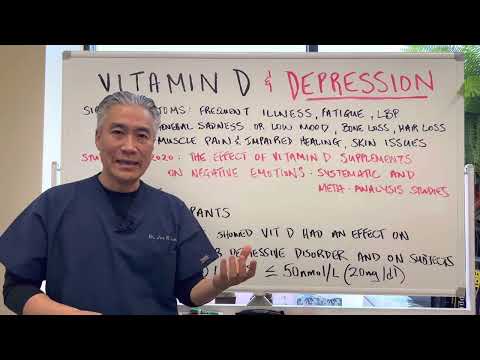
Hey! So, let’s chat about something that kinda sneaks up on a lot of us—seasonal depression. You know the feeling, right? Those gray, chilly months when your mood just seems to hit rock bottom? Yeah, I’ve been there.
But it turns out Vitamin D might be more than just the “sunshine vitamin.” Seriously! It plays a big role in lifting our spirits during those darker days. Who knew?
In this little chat, we’ll dig into how this vitamin can help brighten things up when the winter blues start creeping in. Spoiler alert: you might wanna soak in some sunlight (or grab a supplement) to keep your vibes high!
Exploring the Benefits of Vitamin D for Mental Health in Winter: Does It Really Help?
Winter can feel like a long, dreary tunnel for many of us. The days are shorter, the skies are gray, and sometimes it’s tough to shake off that blah feeling. That’s where Vitamin D comes into the conversation. You might have heard about it as the «sunshine vitamin,» but how does it actually tie into our mental well-being, especially when the sun is taking a long vacation?
First, let’s talk about what **Vitamin D** actually does. It plays a role in several bodily functions. It helps absorb calcium for strong bones, but it also influences our mood and brain health. Studies have shown that low levels of Vitamin D can correlate with symptoms of depression. So when winter rolls around and sunlight becomes scarce, some people might find themselves feeling more down than usual.
Now, about **seasonal depression**, or Seasonal Affective Disorder (SAD)—it’s like this unwelcome companion that shows up during those cold months. Some folks experience this to varying degrees: feeling lethargic, moody, or just not quite themselves as winter drags on. Research suggests that people with lower Vitamin D levels during these months tend to struggle more with these feelings.
One interesting nugget of info is that our bodies naturally produce Vitamin D when sunlight hits our skin. In winter, especially in northern climates, this sunlight isn’t exactly abundant. So what can you do? Well, you could consider supplementation or even dietary sources rich in this vitamin like fatty fish (think salmon), egg yolks, and fortified foods.
Here’s something worth noting: while getting enough Vitamin D might help lift your mood somewhat during those gloomy months, it’s not a cure-all for everyone—so don’t just rely on it! Many factors contribute to mental health issues like SAD; things like genetics and stress play their roles too.
When considering adding more Vitamin D into your routine, here’s what you might want to keep in mind:
- Consider testing your levels: If you’re curious whether you’re low on Vitamin D, ask your doc about testing.
- Look out for symptoms: If you’re feeling more fatigued or down than usual in wintertime.
- Think about combining approaches: Sometimes blending light therapy with increased Vitamin D can be beneficial.
So there you have it—a little glimpse into how Vitamin D ties into mental health during those long winter months. Sure, it might help brighten your mood a bit when the clouds roll in but remember: it works best when combined with other healthy habits like staying active and connecting with friends or family too! Keeping all of this in mind makes tackling seasonal blues feel less daunting—because we all deserve to feel good through every season!
Unlocking the Power of Vitamin D: A Guide to Overcoming Seasonal Depression
Seasonal depression, or Seasonal Affective Disorder (SAD), can feel like a heavy blanket when the days get shorter and the sun seems to vanish. If you’ve ever felt extra down in those cold months, you might be onto something. One of the key players in this battle? Vitamin D.
Your body gets vitamin D mainly from sun exposure. But when winter rolls around, especially in areas with limited sunlight, your levels can drop. And that’s when things can get tricky. Basically, low vitamin D levels have been linked to mood swings, fatigue, and yes, seasonal depression.
So, what’s the connection between vitamin D and feeling better? Well, research suggests that vitamin D might help regulate serotonin levels in your brain. That’s like the feel-good chemical that affects your mood. If you’re not getting enough of it, you might feel a little more down than usual.
Here are some ways vitamin D could potentially help:
Now let’s talk about sources of vitamin D during those gloomy months. You can’t always rely on sunlight for a boost, right? So here are a few alternatives:
For instance, one friend of mine swears by taking a vitamin D supplement every winter after feeling pretty low last year. Just that simple change lifted her spirits significantly! She even combined it with daily walks outside whenever there was sunshine peeking through.
But here’s the deal—while it’s tempting to think of vitamin D as a magic fix for seasonal depression, it’s important to take a holistic approach. Regular exercise and talking about how you feel with someone (like friends or professionals) is just as crucial.
And don’t forget—if you suspect you’re dealing with SAD or low mood consistently during winter months, reach out for professional help! You don’t have to go through this alone.
So yeah, while more research is needed on exactly how much vitamin D impacts mood directly—and every experience is unique—it’s definitely worth considering as part of your self-care routine during those darker days!
Exploring the Benefits of Vitamin D and D3 for Alleviating Seasonal Depression
Seasonal depression, often known as Seasonal Affective Disorder (SAD), can really hit hard when the days get shorter and the weather gets colder. It’s like a cloud just hangs over you, making everything feel heavy and gray. One of the key players in this seasonally affected mood? Vitamin D, especially in its D3 form.
You see, vitamin D is sometimes called the “sunshine vitamin” because our bodies produce it when we’re exposed to sunlight. But come winter, we spend less time outdoors, and honestly, it can be tough to get enough of that bright stuff. When your body lacks vitamin D, it might also struggle to regulate mood properly.
So why does vitamin D3 specifically matter? Well, research shows that it helps boost serotonin levels in your brain. Serotonin is that happy chemical that influences your mood and overall feelings of wellbeing. Low levels of serotonin are often linked with depression, so getting enough vitamin D3 could potentially lift some of those gray clouds!
Now let’s look at some points regarding how vitamin D might help with SAD:
- Mood Regulation: Vitamin D receptors are found in many areas of the brain involved in mood regulation.
- Immune Support: It plays a role in bolstering your immune system too. When you’re healthier overall, you tend to feel better mentally.
- Energy Levels: Many people report feeling more energetic when they have adequate vitamin D levels.
- Improved Sleep: Quality sleep is super important for mental health; some research suggests vitamin D may help improve sleep quality.
Let me tell you about my friend Jess. She always struggled during winter months. Her energy dropped like a stone and feelings of sadness became her unwelcome companions. After she started taking a vitamin D3 supplement—just like what her doctor suggested—she noticed a big difference! Not only did her mood lift but she felt more energized during those dreary days.
Of course, it’s always smart to talk to someone who knows what they’re doing—like a doctor or nutritionist—before starting any supplements. They can help figure out if you really need that extra boost or if there’s something else going on.
In short, while vitamin D3 won’t magically make all your worries disappear during the dark months, it sure has potential benefits worth exploring if you’re feeling down! Getting outside whenever you can for some sunlight and considering supplementation might just be part of your toolkit for tackling seasonal blues.
You know, when autumn rolls around and the days start getting shorter, I always feel this strange shift in my mood. It’s that time of year when the sun plays hide-and-seek with us. For some people, it’s a little more serious than just feeling a bit down, though. Seasonal Affective Disorder (or SAD for short) hits hard for many folks. It’s like when the leaves fall, so does your spirit.
That’s where Vitamin D comes into play. You might have heard that sunshine vitamin gets its name from the fact that we mostly get it from sunlight. When you soak up rays, your body produces this awesome vitamin that helps regulate mood and may even boost happiness levels. So it’s no wonder those bright sunny days can lift you right out of a funk!
I remember chatting with a friend who battled SAD every winter; she’d feel so heavy and low as soon as November hit. But once she started taking Vitamin D supplements and made an effort to get outside—even on cloudy days—she noticed a significant change in how she felt. Just being outside in nature, even when the sun was hiding behind clouds, made her feel more connected and alive. It was like she had found a little spark to help combat those gray days.
But here’s the kicker: it’s not just about popping supplements or basking in sunlight whenever you can; it’s about understanding your own body and mood too. Some people might need more than just Vitamin D to tackle those winter blues—like therapy or connecting with friends—because sometimes things go deeper than vitamins.
Anyway, if you’re someone who struggles with seasonal depression, maybe consider letting some natural light in or checking out your Vitamin D levels with your doc—it could really make a difference!