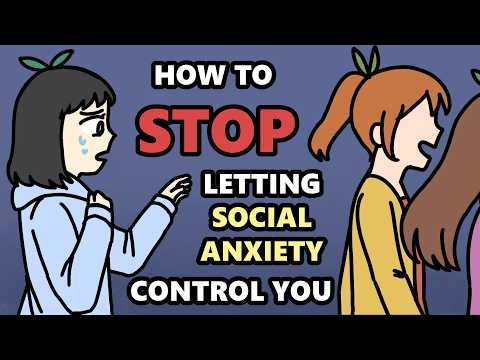
Social anxiety can feel like being stuck in a bad dream, right? You know, the one where you’re just standing there, heart racing, and everyone’s looking at you. It’s no picnic.
You might find yourself avoiding parties or even just chatting with coworkers. Seriously, it can be exhausting to navigate situations where you feel judged or out of place.
But here’s the good news: You’re not alone in this struggle. Many people deal with social anxiety.
And guess what? There are real strategies that can help! We’re going to explore some effective psychological tools that can make social situations a bit easier to handle.
Let’s take a deep breath and dive into this together!
Effective Strategies to Quickly Overcome Social Anxiety and Boost Confidence
So, social anxiety, huh? It can feel like you’re standing on a stage in front of an audience and your mind just goes blank. But don’t worry; there are ways to tackle this and give your confidence a real boost. Here’s the lowdown on some effective strategies you can use.
Challenge Negative Thoughts
You know that little voice in your head that says stuff like “Everyone thinks I’m awkward”? That voice is a real party pooper. When it pops up, try to challenge those thoughts. Ask yourself if they’re really true. Like, do you have any proof that people are judging you? Often, the answer is no! By countering those negative thoughts with more balanced ones, you’ll start to feel lighter.
Practice Mindfulness
Mindfulness is about being present in the moment instead of spiraling into worries about what might happen next. Simple techniques like focusing on your breath or doing a quick body scan can bring you back down to earth. Picture this: you’re at a party feeling anxious. Take a second to notice your surroundings—the music, the laughter around you—this can help ground you.
Gradual Exposure
This one’s about baby steps. Start with small social interactions before diving into larger gatherings. Maybe ask a cashier how their day is going or chat with a coworker during lunch. The more you practice these little chats, the more confident you’ll feel when it’s time for bigger interactions.
Use Visualization Techniques
Imagine yourself walking into that dreaded social situation successfully! Visualize every detail: how you’ll greet someone, the smile on their face, and how calm you’ll feel afterward. It’s like rehearsing for an awesome performance where you’re totally nailing it!
Set Realistic Goals
Try to keep your expectations in check. Instead of aiming to be the life of the party right off the bat (no pressure, right?), set smaller goals—like saying hi to two new people at an event. Celebrate those wins because they add up!
Breathing Exercises
When anxiety kicks in, your breath often gets shallow and quick, making everything feel worse! Slow deep breathing helps counteract that panic response. Inhale deeply for four counts, hold for four counts, then exhale over six counts—repeat this until things feel calmer.
Sneak in Some Self-Compassion
Be kind to yourself! Seriously—it’s okay to feel nervous sometimes; everyone does at some point! Remind yourself that it’s part of being human and don’t hold it against yourself when things don’t go perfectly.
Just remember: progress takes time; be patient with yourself during this journey! It’s totally okay to take small steps forward and celebrate every little victory along the way!
Mastering Your Mind: Effective Strategies to Overcome Social Anxiety and Combat Overthinking
Social anxiety can feel like carrying a giant backpack full of rocks around with you at all times. You know, it’s this heavy weight that just never seems to go away. But don’t worry; there are ways to lighten that load. Let’s talk about some effective strategies to help you manage social anxiety and beat that overthinking habit.
First off, understanding your feelings is super important. When you’re in a social situation and start feeling anxious, it can be helpful to recognize what’s going on. Are your palms sweating? Heart racing? Just taking a moment to acknowledge these feelings can make them a little less scary. Try saying to yourself, «Okay, I’m feeling anxious right now, and that’s okay.»
Another strategy is exposure therapy. This sounds fancy but really it’s about gradually putting yourself in those uncomfortable situations. Start small! Maybe you could wave at a neighbor or say “hi” to someone in line at the coffee shop. Each time you face your fears, it gets a bit easier.
Then there’s mindfulness meditation. This is where you practice being present in the moment without judging it or yourself. Think of it as training your mind like a puppy: every time it starts wandering off into thoughts of “What if they don’t like me?” or “What’s wrong with me?” gently bring it back to what’s happening right now—like the sound of laughter nearby or the smell of fresh coffee.
You might also find cognitive-behavioral therapy (CBT) super helpful. This approach helps you identify negative thought patterns and replace them with healthier ones. It’s kind of like swapping out junk food for fruits and veggies but for your brain! For example, when you catch yourself thinking “Everyone thinks I’m awkward,” challenge that thought by asking yourself if there’s real evidence for it.
Another tactic worth considering is breathing exercises. Sounds simple but trust me on this one! When you’re feeling overwhelmed, focusing on your breath can help ground you again. Try inhaling deeply through your nose for four counts, holding it for four counts, then exhaling slowly for six counts. It calms both body and mind.
Don’t underestimate the power of connecting with others too! Sharing how you’re feeling with close friends or family makes a world of difference. They might even share their own experiences which can lighten the burden—kind of like realizing you’re not alone on this journey.
Finally, remember that progress takes time. Celebrate those little victories along the way—like managing to engage in small talk for just five minutes! Each achievement builds up your confidence over time.
To sum things up: tackling social anxiety and overthinking isn’t an overnight fix, but using strategies like understanding your feelings, exposure therapy, mindfulness meditation, CBT techniques, breathing exercises, and connecting with others can lead to real change over time. Just be kind to yourself during this process; after all, you’re learning how to handle something tough!
Comprehensive Treatment Plan for Social Anxiety Disorder: Free PDF Download
Creating a comprehensive treatment plan for social anxiety disorder can feel overwhelming, but it doesn’t have to be. So, let’s break it down into manageable parts. You know, just like tackling a big project.
First off, understanding social anxiety disorder is key. It’s more than just being shy or nervous in social situations. It’s like this intense fear of being judged or embarrassed in front of others. Think about that moment when you’re in class and your teacher asks a question—your heart races and your palms get sweaty. That’s the kind of feeling we’re talking about here.
Now, let’s zoom in on what a solid treatment plan might look like.
1. Psychotherapy: This is often the backbone of treatment. Cognitive-behavioral therapy (CBT) is super effective for social anxiety. Basically, it helps you identify negative thought patterns and replace them with more positive ones. Like when you think everyone is judging you at a party; CBT would help you see that maybe they’re just focused on their own stuff.
2. Exposure Therapy: This ties closely with CBT but focuses more on facing your fears directly, step by step. For instance, if speaking to someone makes you anxious, the plan might start with just saying “hi” to a stranger, then gradually move up to having longer conversations over time.
3. Medication: Sometimes docs prescribe medications like SSRIs or benzodiazepines as a supplement to therapy if the anxiety is really tough to manage alone. It’s not the go-to for everyone—just one part of the puzzle.
4. Lifestyle Changes: Incorporating regular exercise can do wonders for mental health overall! Just picture going for a jog—your endorphins kick in, and suddenly you’re feeling less anxious! Plus, things like mindfulness practices or yoga really help calm those racing thoughts.
5. Social Support: Having friends or family who understand what you’re going through can make an enormous difference. Talking openly about your feelings helps normalize them—you’re not alone in this!
And right here’s where I want to share something from my own life—a friend once struggled big time with social situations after moving to a new city. They felt isolated and anxious at every gathering until they started working through some CBT exercises and faced their fears little by little—first just texting someone new, then chatting at local coffee shops! Their progress was slow but steady; eventually they found their people and now thrive socially.
Also important is tracking your progress throughout this journey; keeping notes on what works and what doesn’t can inform adjustments to your plan over time.
If you’re interested in more structured materials or worksheets related to these strategies—and there are plenty out there—search online for comprehensive treatment plans focused on social anxiety disorder; some places even offer free PDFs that break down strategies nicely.
Look, tackling social anxiety isn’t easy—it takes time and effort—but with the right treatment plan tailored specifically for you, it’s totally possible to manage those feelings better!
Social anxiety can feel like this heavy weight on your chest. Imagine being at a party. Everyone’s laughing, talking, and you’re there stuck in your own head, worrying about what to say or how you’re being perceived. It’s exhausting! I get it; I’ve been there too.
One of the first things that can help is understanding that you’re not alone in this struggle. Seriously, so many people feel the same way. It’s like a secret club that no one wants to be a part of but finds themselves in anyway.
Cognitive Behavioral Therapy (CBT) is one approach that’s really effective for social anxiety. What happens is you start challenging those negative thoughts that pop up—like “What if they laugh at me?” or “I’m just going to embarrass myself.” Instead of letting these thoughts run wild, you learn to examine them, question their validity, and slowly replace them with more balanced ones. It’s kind of like training your brain to be kinder to yourself.
Another useful strategy? Gradual exposure. This means putting yourself in social situations little by little, starting with something manageable. Maybe it’s saying hi to a neighbor or joining a small group activity. Each small win builds your confidence and helps you realize that the world isn’t as scary as it seems.
And let’s not forget about mindfulness. Taking moments to breathe deep and focus on the here and now can ground you when anxiety starts creeping in. Like when my buddy felt overwhelmed in a crowded coffee shop—it helped him just to take a step back, breathe, and notice his surroundings instead of spiraling into anxious thoughts.
So yeah, overcoming social anxiety isn’t an overnight fix; it’s more like climbing a mountain step by step. There’ll be tough days for sure but with these psychological strategies under your belt, you’ll find yourself navigating through social situations with more ease over time!