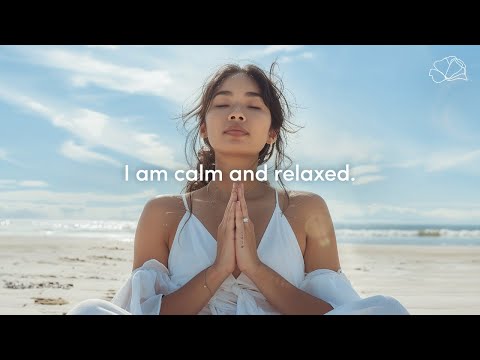
Hey! So, you know those days when your mind is racing and you just can’t seem to catch a break? Seriously, I’ve been there. Anxiety can feel like this heavy backpack you just can’t take off. And let’s be real, it can get exhausting.
But what if I told you there’s a way to lighten that load? Yup, meditation might just be your new best friend. It sounds a bit cliché, but stick with me here. There are some cool techniques out there that can help you chill.
It’s all about finding that moment of peace amidst the chaos. You don’t need to become a meditation guru or anything. Just some simple practices that could make a big difference in your day-to-day life. Ready to give it a shot? Let’s dive in!
Exploring the 5-4-3-2-1 Meditation Technique: A Simple Guide to Grounding Your Mind
The 5-4-3-2-1 meditation technique is a pretty cool grounding exercise. It helps you focus on the present moment, which can be super helpful when anxiety starts creeping in. Basically, it’s about using your senses to anchor yourself. When the world feels chaotic, this method brings you back to the here and now.
To break it down a bit, here’s how it goes:
Step 1: Acknowledge 5 things you can see. Look around you and notice what’s in your environment. It could be anything—like a plant on your desk, a picture on the wall, or even sunlight streaming through the window. This step really helps pull your attention away from anxious thoughts.
Step 2: Acknowledge 4 things you can feel. This might be the texture of your clothes against your skin or how the chair supports you. You could even rub your hands together and notice how that feels. The idea is to get out of your head and into your body.
Step 3: Acknowledge 3 things you can hear. Close your eyes for a second if that helps! Listen to sounds around you—maybe it’s birds chirping outside or distant traffic noises. Sometimes, picking up on those subtle sounds can really ground you.
Step 4: Acknowledge 2 things you can smell. This one’s a bit tricky if you’re not in an aromatic environment but try anyway! Maybe it’s freshly brewed coffee or the scent of rain outside. If you’re struggling to identify smells where you are, consider having something fragrant nearby for practice.
Step 5: Acknowledge 1 thing you can taste. Take a sip of water or any drink near you! Focus on that flavor—whether it’s sweet or bitter—and really let yourself experience it fully.
You might wonder why this simple exercise works so well. Well, our brains tend to spiral when we’re anxious, pulling us into worries about future events or past mistakes. The sensory focus in this technique snaps us back into reality and away from those overwhelming thoughts!
A quick personal story: I remember a time when anxiety hit me hard before an important presentation at work. My heart felt like it was racing! I decided to use this grounding technique right before I walked into that room full of people. Just noticing my surroundings and what I felt helped calm my nerves significantly!
So, if you’re looking for something that doesn’t require special equipment or years of practice—and just takes a few moments—give the 5-4-3-2-1 technique a shot next time anxiety creeps up on you! It’s like having an instant reset button right at your fingertips; kinda neat, huh?
Conquer Excessive Worrying: Effective Strategies to Reduce Anxiety and Find Peace
Alright, so let’s talk about that nagging feeling of worry. You know, that constant chatter in your head telling you what could go wrong? It’s exhausting! But don’t sweat it; there are ways to tackle that anxiety monster head-on. One big player in the battle against excessive worrying is meditation. Seriously, it can work wonders.
Meditation isn’t just for monks. It’s become super popular because it helps calm the mind. You might think meditation is all about sitting cross-legged and chanting, but it doesn’t have to be like that at all! Here are some techniques you can try:
- Mindfulness Meditation: This technique focuses on being present. You sit quietly and pay attention to your breath. Notice how it feels as it flows in and out of your body. If thoughts start creeping in—like worries about the future—acknowledge them without judgment, then gently bring your focus back to breathing. It’s like training a puppy; they wander off, but with patience, they come back.
- Guided Meditation: If sitting in silence sounds, well… intimidating, guided meditations might be your jam! There are loads of apps and videos where someone leads you through relaxing visualizations or soothing narratives. Imagine you’re on a peaceful beach or walking through a tranquil forest—it makes unwinding way easier.
- Loving-Kindness Meditation: This one’s super heartwarming! You basically send out positive vibes toward yourself and others. Start with thinking something nice about yourself—like “May I be happy.” Then expand those good feelings to loved ones and even people you don’t get along with. It’s like spreading warm butter on toast; it’s such a simple act that makes everything feel smoother!
- Body Scan Meditation: This technique involves focusing on different parts of your body one at a time—from your toes all the way to your head. Notice any tension or discomfort there without trying to change anything right away. Just observing helps release some built-up stress.
So why does meditation help with anxiety? Well, when you’re worried or anxious, your body goes into fight-or-flight mode—your heart races, muscles tense up, and you feel on edge. Meditation activates the parasympathetic nervous system, which is basically your body’s «calm down» response. It lowers heart rate and reduces muscle tension—just like a cozy blanket on a chilly day.
Now that we’ve laid out some meditation techniques let’s sprinkle in some extra strategies for reducing excessive worrying:
- Create Worry Time: Schedule 15 minutes each day just for worrying! Sounds weird? Well… when you give yourself permission to worry at a set time rather than letting it take over all day long, it becomes more manageable.
- Journaling: Writing down what’s bothering you can be cathartic. Seriously! Get everything out of your head and onto paper—it’ll help clear space for calmer thoughts.
- Talk About It: Sharing worries with friends or family can lighten the load tremendously! Your loved ones may offer fresh perspectives or simply provide support that reminds you—you’re not alone in this.
You know how sometimes just venting can make everything seem less heavy? Yeah, that’s what we’re aiming for here.
In this hustle-bustle world where everything feels overwhelming sometimes, finding peace starts from within. So give these strategies a shot! Remember: it’s okay if one technique doesn’t work right away; it’s totally normal to need some trial-and-error to find what fits best for you.
All in all, conquering excessive worrying is definitely possible—you got this!
Top Meditation Techniques to Reduce Anxiety and Enhance Calmness
Meditation isn’t just some trendy thing you hear about. Seriously, it can work wonders for anxiety and help you find that calm space inside yourself. Here’s the scoop on some top meditation techniques you can try out. You don’t need to be a pro—just give it a shot!
Mindfulness Meditation is all about being present. You focus on your breath and notice what’s going on around and within you without judgment. So, if thoughts pop into your head, just let them float by like clouds in the sky—don’t grab onto them. This technique can really help when your mind feels like it’s running in circles.
Guided Meditation is where someone helps lead you through it, either in person or through an app. Think of it like listening to a story where someone tells you to visualize peaceful scenes or soothing sounds—maybe a beach or gentle rain. These sessions can ease anxiety by providing direction when your mind starts to wander too much.
Another cool method is Body Scan Meditation. You basically lie down and focus on different parts of your body one at a time, starting from your toes up to your head. As you do this, pay attention to any tension or discomfort and try to release it with each exhale. It’s like giving yourself a mini massage from the inside out.
Then there’s Loving-Kindness Meditation. This one focuses on sending good vibes to yourself and others. You repeat phrases like “May I be happy” or “May I be healthy.” This might sound cheesy, but studies show that it really helps improve mood and reduce anxiety levels over time.
And let’s not forget about Breath Awareness. This is super simple but effective! Just follow your breath as you inhale deeply and exhale slowly. Count each breath if that helps keep you grounded. It’s amazing how something so basic can pull you back from panic mode almost instantly.
You could also try Movement Meditation, which involves activities like yoga or tai chi that incorporate mindful movement along with breathwork. It connects body and mind in such a freeing way, helping release built-up stress while keeping things flowing smoothly.
Lastly, consider Transcendental Meditation (TM). It might sound fancy, but it’s simply repeating a specific mantra silently in your mind for about 20 minutes twice daily while sitting comfortably with your eyes closed. The repetition leads to deep relaxation as anxiety melts away.
So look, whether you’re trying mindfulness or diving into something more structured like TM, remember that even just five minutes of meditation can make a difference in how anxious you feel throughout the day. It’s all about finding what fits best for you!
You know, anxiety can feel like this weight just sitting on your chest. I remember this one time, I was getting ready for a big presentation. My heart was racing, and my mind was buzzing with all these «what ifs.» Seriously, it felt like I was trapped in my thoughts. That’s when a friend suggested I try meditation. At first, I thought it was just some hippie stuff. But then, desperate times call for desperate measures, right?
So, I gave it a shot. There are actually so many techniques out there! One of the simplest ones is just focusing on your breath. You sit back comfortably and take deep breaths—in and out. It sounds easy enough, but the trick is to really pay attention to that breath flowing in and out of you. It’s amazing how something so simple can ground you in the moment.
Then there’s guided meditation. You turn on an app or a video where someone leads you through calming imagery and affirmations. It’s kind of like having a gentle voice holding your hand as you wander into calmness—without any pressure to figure it all out on your own.
And oh! Let’s not forget about mindfulness meditation. Here’s the deal: you don’t have to be perfect at it; it’s more about observing your thoughts without judgment. So if your mind wanders—which it will—you notice that and gently bring it back without shaming yourself for losing focus.
But what really struck me is how these techniques aren’t about stopping anxiety completely; it’s more about creating space for calm amidst the chaos in your head. We all have our moments of doubt or nervousness but using these methods helps to create little pockets of peace.
Anyway, after practicing a bit, I found myself feeling empowered rather than immobilized by my anxiety—like I had tools in my pocket to deal with whatever life threw at me next. If you’re dealing with that kind of stress, maybe give meditation a go? You might find that sweet sense of calm you’ve been craving too!