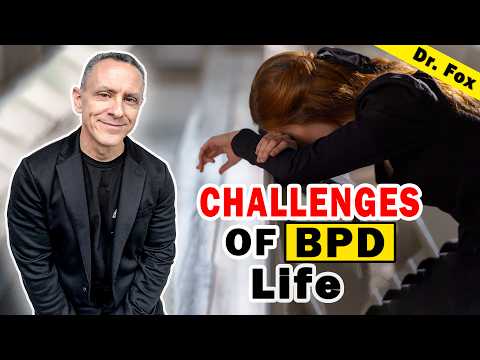
You know, life can get pretty messy after dealing with borderline personality challenges. Seriously. It’s like riding a rollercoaster that just won’t stop.
Sometimes, you might feel on top of the world, and then suddenly—boom—you’re in a deep valley again. It’s exhausting, right? You’re not alone in this ride.
So, what’s next? How do you pick up the pieces and start moving forward? Well, it’s not all sunshine and rainbows, but it can definitely get better.
Let’s chat about this journey. We’ll figure out how to navigate those rough waters together. You in?
Understanding the 3 C’s of BPD: Key Concepts for Managing Borderline Personality Disorder
Borderline Personality Disorder (BPD) can feel like a wild rollercoaster ride. There’s this intense emotional landscape that swings from extreme highs to crushing lows. This can be exhausting, right? One way to navigate through it is by understanding the **3 C’s** of BPD: **cognition, control, and connection**. Let’s break these down.
Cognition is all about how you think. People with BPD often experience distorted thinking patterns. For instance, you might go from feeling like everyone loves you to thinking that nobody cares at all—like, literally in a matter of minutes! You see the world as either black or white, with little room for gray areas. But getting a grip on these cognitive shifts can really help. When you notice those thoughts creeping in, try questioning them. Ask yourself if there’s actual evidence to support those feelings or if it’s just your emotions throwing a tantrum.
Then there’s control. This one hits hard because with BPD comes this struggle for self-control—over emotions, impulses, and even relationships. It can sometimes feel like you’re on the sidelines watching your life unfold without having any say in it. So what do you do? Finding healthy coping mechanisms is key here—like journaling or practicing mindfulness techniques such as deep breathing or meditation. These tools give you back some of that control and help stabilize those intense emotions when they come crashing in.
Lastly, we’ve got connection. Relationships are super important but tricky for folks with BPD. You might find yourself feeling abandoned or rejected more easily than others do—that feeling is real! It’s essential to work on building stable relationships while also recognizing when you’re getting too dependent on someone else for emotional support. Establish boundaries and communicate openly about your feelings with loved ones; this might be scary but it helps pave the way for stronger connections where both sides feel understood.
To wrap things up, navigating life after facing the challenges of BPD isn’t easy but embracing these 3 C’s—cognition, control, and connection—can seriously help shift how you handle emotional ups and downs in daily life. It takes practice though! And remember: reaching out for therapy or support groups isn’t just okay; it’s often one of the best steps you can take on this journey towards understanding yourself better and fostering healthier relationships around you.
Effective Strategies for Healing from Borderline Personality Disorder: A Comprehensive Guide
Healing from Borderline Personality Disorder (BPD) can feel like a rollercoaster, you know? One minute you’re up, and the next, it feels like everything’s crashing down. But there are definitely **effective strategies** that can help you navigate life after facing those intense challenges.
Therapy is Key. A solid place to start is therapy. Dialectical Behavior Therapy (DBT) is especially recommended. It focuses on teaching skills to manage emotions, tolerate distress, and improve relationships. You know, that feeling when you’re overwhelmed? DBT helps build skills so those moments don’t feel as, well, insurmountable. Imagine having tools to pull yourself back from the edge during tough times.
Mindfulness Practices. This might sound a little out there, but mindfulness can seriously help with grounding yourself in the present. It’s about bringing your focus back to now rather than spiraling into past hurts or future anxieties. Just taking a few minutes each day to breathe deeply or pay attention to your surroundings can make a huge difference in managing emotional storms.
Building Relationships. Connecting with others is super important too. Having supportive friends or family members can give you that sense of security when things get rocky. But be mindful: it’s essential to establish boundaries so that relationships don’t become overwhelming themselves.
Self-Care Rituals. Don’t overlook self-care! Simple things like getting enough sleep, eating well, or even enjoying your favorite hobby can turn your mood around dramatically. Maybe it’s painting or going for a walk—whatever feels good for you! For me, getting lost in a book always helps clear my head.
Medication Options. Sometimes medication plays a role in healing too. It’s not always necessary but could be helpful depending on your situation. Some folks find mood stabilizers work wonders while others might try antidepressants—just remember it’s all about finding what fits your unique needs.
Challenge Negative Thoughts. You know how sometimes your mind just runs wild with negative thoughts? Learning how to challenge those thoughts can change everything. Cognitive Behavioral Therapy (CBT) techniques often focus on recognizing and reframing those patterns into something more positive.
Setting Goals. Setting small and achievable goals creates motivation and stability in daily life. Maybe it starts with just getting out of bed at the same time every day or cooking one healthy meal each week—it’s all about finding those little wins!
Ultimately, it’s about progress over perfection—you won’t always feel like you’re cruising smoothly uphill, but every step counts toward healing from BPD challenges. And remember: navigating this journey isn’t a solo act; letting others support you along the way can be truly transformative!
Understanding the Healing Journey: How Long Does It Take for Someone with BPD to Move On?
When it comes to borderline personality disorder (BPD), the healing journey can feel like a long and winding road. So, how long does it actually take? Well, that’s a bit tricky. Recovery isn’t a one-size-fits-all situation; it varies widely from person to person.
First off, let’s talk about what BPD is. It’s characterized by intense emotions, unstable relationships, and a shaky sense of self. You might’ve experienced moments where feelings were on overdrive or where your relationships felt like a rollercoaster—up one minute and crashing down the next. It’s totally understandable if you’re wondering how long these ups and downs will last.
Now, the timeline for healing from BPD depends on various factors. Here are some important ones:
So yeah, generally speaking, many people might need months to years of committed work before they feel they’ve made significant progress. It’s not always easy; some days you’ll feel like you’re sprinting ahead while others may seem like you’re stuck in quicksand.
You know that moment when everything just feels too overwhelming? It’s something many who deal with BPD experience quite frequently—the highs can be euphoric while lows can lead to deep despair. I remember talking to someone who described their journey as climbing a mountain: at times it feels exhilarating when reaching new heights of understanding about oneself but there are also steep cliffs where setbacks can make you question everything.
Recovery isn’t linear either; there are ups and downs—seriously! One day might be fantastic while the next could bring on that familiar cloud of doubt and fear again. But remember this: it’s all part of the process.
It’s important not to rush yourself or compare your timeline to someone else’s because everyone moves at their own pace. Be kind to yourself during this process! Celebrate those small victories along the way—whether that’s having an easier day or feeling more grounded than before.
In short, moving on from BPD challenges is less about ticking boxes by specific deadlines and more about embracing your unique journey toward healing—a journey filled with twists and turns but ultimately leading towards better emotional health and stability over time! You’ve got this!
You know, navigating life after facing challenges with borderline personality disorder (BPD) can feel like walking through a maze. Seriously, one minute you’re feeling on top of the world, and the next, you’re in this emotional whirlwind. It’s intense, to say the least.
I remember a friend of mine who went through a rough patch with BPD. She described it like being on a rollercoaster that never ends. One day she’d be laughing and filled with excitement; the next day could bring tears over something that seemed small to others. What really struck me was how she learned to find her footing again after those storms. It wasn’t easy—oh no! There were plenty of bumps along the way. But it was inspiring.
So, what happens is that people often focus so much on the challenges, right? But there’s this whole journey afterward where you slowly start picking up the pieces and figuring out what works for you. It might mean getting involved in therapy or joining support groups where you can actually connect with others who know what you’re going through. Then there’s mindfulness practices—have you heard of those? Stuff like meditation or journaling can help ground you when emotions start swirling again.
And then there’s the creativity part! Some folks really tap into their artistic side as a way of expressing themselves. Whether it’s writing, painting, or even just doodling in a notebook, it can feel so liberating to let those feelings out on paper instead of bottling them up inside.
But honestly, it’s about embracing all these little triumphs that make life meaningful again. Sometimes it’s just about getting through a tough day without losing yourself completely or learning how to let go of toxic relationships that drain your energy–you know?
There will be days when everything feels heavy and overwhelming again; that’s okay too! It’s totally normal to have setbacks as part of healing because growth isn’t linear—it’s more like this messy dance where you take two steps forward and then slide back one.
You learn to recognize triggers and create healthier coping strategies over time. It’s all about building resilience and strength in ways that make sense for you individually. Remember: healing takes time; it’s not always sunshine and rainbows but those moments where you feel even a little lighter? Those are gold.
So if you’re finding yourself on this path—or maybe just supporting someone who is—know that there’s light at the end of this tunnel, no matter how long or winding it may be. And along the way, each step forward counts!