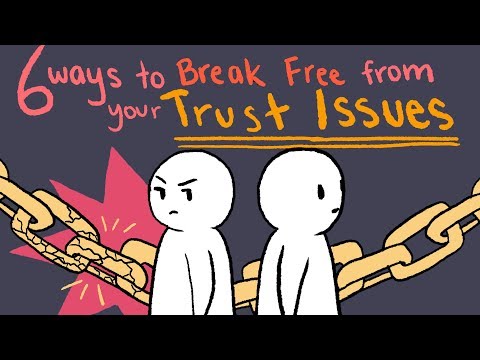
You know that feeling? When you’re with someone, but it feels like there’s this invisible wall between you?
Trust issues can do that. They sneak in and create this weird distance, even when you care.
It’s tough. Like, one moment everything feels fine, and the next, you’re second-guessing every little thing—texts, conversations, even the way they look at you.
And honestly? It can be exhausting. You want to feel close but find yourself pulling back instead.
Let’s chat about this. How trust issues creep into relationships and what we can do about it. Sound good?
Understanding Severe Trust Issues: Key Symptoms to Recognize and Address
Understanding severe trust issues can feel like wandering through a maze. You think you’re getting close to the exit, but then you hit a wall. Trust issues often stem from past experiences—like betrayal, abandonment, or trauma—and they can totally mess with how you connect with people today. So, what are some key symptoms to look out for?
Constant suspicion is a biggie. If you’re always second-guessing someone’s intentions or thinking they’re up to no good, that’s a major sign. For example, let’s say your partner is late coming home from work. Instead of assuming they got caught in traffic, you might start wondering if they’re meeting someone else. It’s exhausting and tense.
Another symptom is withholding information or feelings. When trust is shaky, sharing personal thoughts can feel super risky. You might find yourself not opening up about your day or hiding little things that could lead to misunderstandings—even if there’s no actual threat involved.
Then there’s the tendency to avoid intimacy. This can manifest as emotional distance or reluctance to get physically close—like pulling away when things start getting serious. It might seem easier to keep folks at arm’s length than risk getting hurt again.
You could also notice defensive behavior. If you feel like you need to protect yourself all the time, that’s a clear red flag. It might mean snapping at someone for asking a simple question or feeling attacked when friends just want to help.
And what about overanalyzing situations? This one hits home for many people dealing with trust issues. A friend sends you a text with one-word responses, and suddenly you’re spiraling—wondering if they’re mad at you or if they’ve found someone better.
So how do we address these trust issues? Start by acknowledging them; it’s a crucial first step! Maybe find some time alone to think about where those feelings come from—seriously, dig deep. You could even talk it out with someone who gets it—a friend or therapist who can help guide the convo without judgment.
Building trust isn’t an overnight thing; it’s more like nurturing a plant that needs water and sunlight every day. Being open about your concerns fosters empathy and understanding in relationships. And remember: it’s okay to take small steps! Maybe commit to sharing one thing daily instead of diving into deeper waters right away.
Severe trust issues can create distance in relationships that leaves everyone feeling lonely and confused, but recognizing these symptoms is like holding up a flashlight in that dark maze—helping illuminate the way forward toward healthier connections.
Understanding Trust Issues: How They Can Erode Relationships and What to Do About It
Trust issues can really put a damper on any relationship, whether it’s with a partner, friend, or family member. When trust starts to erode, it creates distance that can feel impossible to bridge. You know what I mean? It’s tough when you feel like you’re constantly walking on eggshells or worrying about betrayal.
So, what exactly are trust issues? Basically, they come from past experiences or betrayals that leave you feeling unsure about whether people will keep their word or have your back. Maybe someone close to you cheated or lied. Or perhaps you grew up in an environment where honesty wasn’t prioritized. Whatever the case, these feelings can seep into your current relationships and make it hard to connect.
When trust issues pop up, they often lead to things like suspicion and jealousy. You might find yourself questioning your partner’s motives or assuming the worst in them. It’s like wearing glasses with a permanent smudge; everything looks off, and you just can’t see clearly. This can create a vicious cycle where your partner feels untrusted and distance grows.
Let’s break down some stuff that happens because of trust issues:
- Communication Breakdowns: Instead of talking about what’s bothering you, you might withdraw or lash out.
- Increased Anxiety: The constant worry of being betrayed can drive up anxiety levels.
- Emotional Walls: You might build up walls around yourself to protect your heart from getting hurt again.
- If No Action is Taken: Without addressing these feelings together, misunderstandings fester and drive a wedge between partners.
Now, let me share this story. I once knew a couple who seemed perfect on the surface but struggled with trust issues for years. One partner had been cheated on before and couldn’t shake that fear even in their new relationship. They’d check their phone constantly for messages when the other was out with friends. Over time, this behavior drove a wedge between them; instead of creating closeness, it bred resentment.
So, what do you do if you’re dealing with trust issues? First off, acknowledge those feelings. It’s okay to feel insecure sometimes; being honest about it is key. Talk openly with your partner about why you’re feeling this way without blaming them for it.
Another biggie: Work on rebuilding trust slowly. This takes time and patience—no shortcuts here! Set small goals together like sharing more daily experiences or spending quality time without distractions. Celebrate these little victories! They act as bricks in rebuilding that bridge.
Lastly, consider seeking professional help if these issues are deep-seated. A therapist can help unravel those tangled emotions and provide tools to build stronger foundations for your relationship.
In essence, recognizing trust issues and being proactive about them is super important if you want to avoid drifting apart from someone who means a lot to you. Trust me—taking those steps not only helps strengthen connections but also helps foster deeper emotional intimacy over time!
Overcoming Trust Issues: How They Impact Relationships and Build Distance
Trust issues can be real deal-breakers, you know? They creep into relationships and create this awkward distance that’s hard to bridge. Honestly, when you think about it, trust is like the glue holding everything together. Without it, things start to fall apart.
When you have trust issues, basically, you’re questioning everything your partner does. And that can lead to some serious misunderstandings. You might think they’re being unfaithful just because they’re texting someone late at night. Or maybe you’re worried they’re hiding something when they don’t check in as often as you’d like. It’s all about your perceptions and those pesky little insecurities.
The thing is, trust issues can stem from past experiences—not just from your current relationship. Maybe an ex cheated on you or a close friend betrayed your confidence. Those experiences can linger and make it hard for you to open up again. So, every time someone new comes along, it feels like a whole new minefield.
When trust issues pop up, it’s not just about feeling anxious; it’s also about pushing people away unintentionally. You might start avoiding deep conversations or even back off from making plans because you’re afraid of getting hurt again. This creates distance and can leave both partners feeling lonely and confused.
You know what? Communicating openly is crucial here. It’s super important to share how you’re feeling with your partner instead of bottling things up inside. If something’s bothering you but you’re too scared to voice it, that’s just gonna make the problem worse over time.
Here are a few things to keep in mind:
- Talk It Out: Share your feelings honestly instead of assuming they know what you’re going through.
- Practice Patience: Trust isn’t built overnight. It takes time and consistency.
- Reflect on Your Past: Understand where these feelings are coming from—past experiences can deeply affect current relationships.
- Seek Help If Needed: Sometimes talking with a therapist can help untangle those deep-seated issues.
So yeah, rebuilding trust may take a while but remember—it’s totally possible! Building that connection back may help both of you feel more secure in the relationship again. Just be aware that it might take effort from both sides to really mend those rifts caused by trust issues.
In the end, overcoming trust issues means letting go of some old baggage while allowing yourself to be vulnerable again. And even though vulnerability feels scary sometimes, it’s also where all the good stuff happens—like closeness and intimacy!
Trust issues can really put a damper on relationships, can’t they? It’s wild how something that starts as a little doubt can spiral into a massive wall between two people. I have this friend, right? She’s super close to her partner, but lately, it feels like there’s this invisible line they can’t cross because of trust stuff.
I remember when she told me about a conversation that left her feeling unsettled. Her partner had been out with friends, and she couldn’t shake the feeling that something was off. Just that little spark of jealousy turned into a full-blown fire of worry in her head, leading to late-night texts and awkward silences. The thing is, instead of just asking him what was bothering her, she started to pull away. It felt safer to keep some distance rather than risk getting hurt again.
You know how when you’re unsure about something, your mind loves to run wild? It’s like your brain is throwing all these “what ifs” at you: What if he’s lying? What if I’m not enough? And before you know it, those thoughts create this huge rift. It’s heartbreaking to watch someone you care about start to self-sabotage without even realizing it.
But here’s the kicker: trust isn’t just about believing the other person; it’s also about trusting yourself and your feelings. Sometimes we project our insecurities onto others without acknowledging our own fears. So while my friend was busy pushing him away, she didn’t stop to consider that maybe he wasn’t doing anything wrong at all.
Eventually, after talking it out (which took way too long), they came back together—it took vulnerability on both their parts. That moment when she could finally voice her fears and he could reassure her? Magical in its own way! It showed me how important communication is in bridging those gaps created by trust issues.
So yeah, distance in relationships from trust problems doesn’t have to be permanent. But someone has to break the cycle and take that first step towards honesty—and sometimes it takes a little nudge from friends or even a good heart-to-heart moment with yourself! You never know; you might find that trust is still there beneath all that fear waiting to be rekindled.