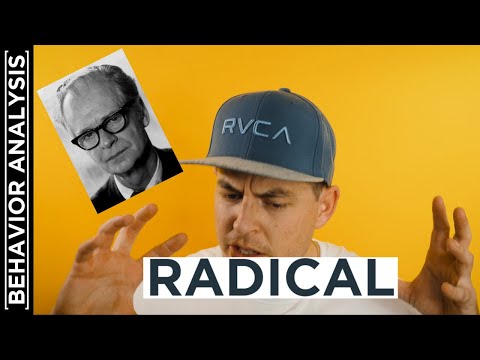
You know, when you think about psychology, it’s easy to imagine a therapist sitting in an office, asking you how that makes you feel. But there’s this whole other side to it.
Like, take B.F. Skinner for example. This guy was a game-changer in the field. His ideas totally shifted how we see behavior and learning.
He was all about the science of behavior—basically, what makes us do what we do. And trust me, his work is everywhere these days!
So, if you’ve ever heard of terms like reinforcement or operant conditioning, yeah—you can thank Skinner for that! It’s wild how much this dude influenced modern psychology.
Let’s break down what he did and why it still matters today. Seriously, it’ll blow your mind!
Exploring B.F. Skinner’s Impact on Behavioral Psychology: Key Contributions and Insights
B.F. Skinner was like a rock star in the world of psychology, especially when it comes to behavioral approaches. His ideas changed how we think about behavior and learning. So, what did he really bring to the table? Let’s break it down.
Operant Conditioning is probably Skinner’s most famous contribution. This concept revolves around the idea that behavior is influenced by its consequences. Basically, if you do something and get a reward, you’re more likely to do it again. For example, if a kid cleans their room and gets praised or a cookie, they might be more inclined to clean up next time.
Then there’s reinforcement, which comes in two flavors: positive and negative. Positive reinforcement means adding something nice after a behavior (like giving a treat). Negative reinforcement involves taking away something unpleasant (like not having to do chores if homework is finished). Both methods aim to increase desirable behaviors.
Another key part of Skinner’s work is the Skinner Box. This was an experimental setup where animals like rats learned to press levers for food or avoid an electric shock. It showed how clear consequences can shape behavior in real-time. Imagine seeing a rat figure out that pressing a lever means snacks show up—pretty neat!
But here’s where it gets interesting: Skinner didn’t just stop at animals; he believed these principles applied to humans too! He thought using reinforcement could help shape behaviors in everything from education to parenting. Think about it: teachers who reward students for good grades might inspire them to keep working hard.
Also worth noting is Skinner’s perspective on free will. He wasn’t really on board with the traditional view that humans have complete control over their decisions. Instead, he argued that our choices are often shaped by past experiences and environmental factors—kind of puts things into perspective about why we act how we do.
On top of all this, Skinner was also big into applying his theories practically through behavior modification. This approach is used in various settings, including therapy for conditions like autism or ADHD. By reinforcing positive behaviors and reducing negative ones, therapists can create meaningful change in people’s lives.
In short, B.F. Skinner left an indelible mark on behavioral psychology with his concepts of operant conditioning, reinforcement strategies, and views on human behavior. His work laid the groundwork for much of modern psychology and helped us understand how environment shapes us—so next time you’re rewarding yourself for finishing that book or habit you’ve been trying to stick with, you can partly thank him for illuminating those paths!
Exploring the Relevance of B.F. Skinner’s Behaviorism in Modern Psychology
So, let’s talk about B.F. Skinner and his brand of psychology known as behaviorism. Skinner was a big deal back in the day, and his ideas still pop up in modern psychology, even if we don’t always realize it.
To kick things off, Skinner believed that behavior could be shaped by rewards and punishments. This is called operant conditioning. Basically, if you do something good and get a reward, you’re likely to do it again. Negative consequences? Not so much. It’s all about reinforcement!
Now, think about training a dog. If you give your pup a treat every time he sits on command, he’s gonna keep sitting for those treats, right? That’s operant conditioning in action! You see this everywhere—from schools rewarding kids for good behavior to workplaces giving bonuses for high performance.
Moving on, Skinner’s principles are vital in therapy today. Many therapists use techniques based on reinforcement to encourage positive changes. For example, someone struggling with anxiety might receive praise or small rewards when they face their fears bit by bit. It’s like saying “Hey! You did great!” which can really help boost confidence.
Also, here’s something to chew on: while Skinner focused heavily on observable behaviors, modern psychology often looks at thoughts and feelings too. You can’t ignore the mind just because Skinner thought behavior was more important than what goes on inside our heads! This blend is super relevant today because it helps us understand not only *what* people do but also *why* they do it.
Another key point? Skinner believed humans are shaped by their environment. This idea is still relevant when we think about social influences. Your friends’ behaviors or societal norms can hugely affect your actions and choices. It’s like being part of a big group where everyone influences each other—sometimes for better or worse!
In education settings, Skinner’s work paved the way for things like programmed instruction—a method that breaks down learning into small steps with feedback along the way. Kids learn at their own pace because they get immediate responses to their actions.
Now let’s not forget that there are critiques of Skinners’ approach too; some people argue that it oversimplifies human behavior since we’re more than just products of our environment or responses to rewards and punishments.
In summary, B.F. Skinner’s legacy in modern psychology is undeniable—his ideas shape therapies and educational practices even now! His focus on observable behavior opened doors while also reminding us that our environments play a huge role in shaping who we are today! So next time you see someone getting a reward for doing something right—think back to old Skinner and give him a mental nod!
Exploring the Impact of Skinner’s Behaviorism on Modern Mental Health Practices
Behaviorism, especially the kind B.F. Skinner championed, has had a pretty big influence on how we think about mental health today. Like, seriously, if you look at modern therapy practices and techniques, you can see Skinner’s fingerprints all over them.
So, what’s the deal with Skinner? He was all about observable behavior. Instead of digging deep into feelings or thoughts like some other psychologists might do, he focused on what people actually do—like a detective watching someone’s actions. This idea was revolutionary back when he was working in the mid-20th century.
One of Skinner’s main ideas is that behavior can be influenced by its consequences—good or bad. Positive reinforcement is one of his big concepts. Basically, if you reward a behavior, it’s more likely to happen again. This idea isn’t just theoretical; it’s been used in real-world applications like therapy and education.
Think about a kid learning to read: if they get a sticker every time they finish a book, they’re more likely to keep reading. In therapy settings, this principle is often used to help reinforce positive behaviors in clients. You’ll see therapists use techniques that reward progress or specific behaviors during their sessions.
In modern cognitive-behavioral therapy (CBT), which is super popular right now, you still see this influence from Skinner. CBT focuses on changing unhelpful behaviors and thoughts. It uses strategies like exposure therapy, where clients face their fears gradually and get rewarded for their progress with improvements in mood or anxiety levels.
Also worth mentioning are token economies, which are systems where people earn tokens for good behavior that they can later exchange for rewards—like extra privileges or small prizes. This approach can be used in various settings—from schools to mental health facilities—to encourage positive actions.
On the flip side, some folks argue that focusing too much on observable behavior misses out on what’s happening inside someone’s head—their emotions and thoughts matter too! But even with that critique, many therapists integrate these behavioral techniques with other approaches to create a more rounded treatment plan.
It’s fascinating how Skinner’s ideas still play a role today—reminding us that understanding behavior is essential for helping people lead healthier lives. In sum, whether through reinforcement strategies or structured behavioral interventions, his impact on modern mental health practices continues to shape how we approach psychological well-being in meaningful ways.
B.F. Skinner was a big deal in the world of psychology. I mean, this guy seriously changed the game when it came to understanding how behavior works. Like, if you’ve ever heard of operant conditioning, that’s all him! It’s wild to think about how much he influenced modern behavioral therapy and, honestly, our everyday lives.
So, let me break it down a bit. Skinner believed that we’re shaped by the consequences of our actions. You know, like if you do something good and get a cookie or a thumbs-up, you’re more likely to do that good thing again. It’s such a simple concept but has huge implications. It really made people rethink how they approach training behaviors—whether in kids or even animals!
I remember this one time when my friend decided to train her dog using Skinner’s principles. She started using treats as positive reinforcement for sitting on command. At first, the dog wasn’t having any of it—totally ignored her! But with some patience and those yummy snacks, he finally got it and started sitting every time she asked! It was like this light bulb went off for both of them. She was so excited every time he nailed it; you could just see the bond growing between them through all those little victories.
But here’s where it gets tricky: not everything can be boiled down to reward and punishment, right? Sure, Skinner’s work is foundational in behavior modification techniques like cognitive-behavioral therapy (CBT), which is super popular nowadays. But there are layers to human emotion and thought that can’t just be programmed away with some treats or time-outs.
Still, his theories did kickstart significant developments in psychological practices today. Behavior analysis is widely utilized everywhere—from schools to therapy settings—helping people understand and change their behavior patterns.
So yeah, while Skinner might not be everyone’s cup of tea (and I totally get that), his contributions have had staying power in shaping modern behavioral psychology. It makes you think about how we learn from each other and grow through experiences—even if it’s just over some treats with your dog!