You know when you meet someone and you can’t quite put your finger on why they are the way they are? Yeah, that’s personality for ya. It’s what makes us unique and kinda quirky, right?
So, there’s this cool tool called the Big Five Inventory. It helps break down personality into five big traits. Yep, five! It’s like a cheat sheet for understanding yourself and the people around you.
But seriously, why does it matter? Well, knowing these traits can help you in different areas of life—like relationships or work stuff.
Let’s unpack it together! Trust me; it’ll be interesting.
Understanding the Big 5 Personality Traits: A Comprehensive Guide to Measuring Personality
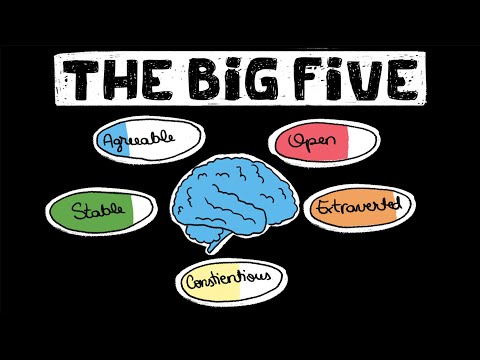
Alright, let’s talk about the Big Five personality traits. You might’ve heard of them as the Five Factor Model. It’s a neat way to look at your personality in terms of five main dimensions. Understanding these can seriously help you figure out how you tick and why you react to things the way you do.
First things first, these traits are:
- Openness to Experience: This one’s about curiosity and creativity. If you love trying new things—like different foods or crazy adventures—you probably score high here.
- Conscientiousness: Think reliability and organization. People who are conscientious tend to be disciplined, goal-oriented, and good at managing their time.
- Extraversion: This is all about where you get your energy. Extraverts thrive on social interaction and feel energized by being around others. Introverts, on the other hand, recharge in solitude.
- Agreeableness: Here we’re talking kindness and empathy. Agreeable folks are typically warm-hearted and cooperative, while less agreeable types might be more competitive or skeptical.
- Neuroticism: This reflects emotional stability. High scores mean you might experience more anxiety or mood swings, while lower scores usually indicate a calm demeanor.
You might be wondering how these traits play out in real life. Imagine two people facing a stressful work deadline: one is super organized (high conscientiousness) and calmly tackles tasks one by one; the other gets anxious (high neuroticism) and feels overwhelmed by everything. Same situation, totally different reactions!
The thing about measuring these traits is that it gives you insight into what makes people unique. For instance, if someone has high openness but low conscientiousness, they may be spontaneous thinkers but struggle with follow-through on their ideas—like starting a ton of projects but finishing none!
If you’re interested in assessing these traits yourself, there’s something called the Big Five Inventory. It includes statements like “I am someone who tends to be organized” or “I often feel anxious,” which you rate based on how well they describe you. Your answers give a snapshot of your personality profile.
An important note? These traits exist on a spectrum, so it’s not all black-and-white—you can score anywhere from very low to very high in each area! And remember, understanding yourself using this framework isn’t just for fun; it can help improve relationships and even career choices.
The Big Five framework has been researched extensively over the years. It’s pretty solid stuff! So whether you’re looking to understand yourself better or just curious about why your best friend is such an extrovert while you prefer quiet nights at home, this model has got your back!
The journey into understanding our personalities can be pretty enlightening—who knows what you’ll discover?
Understanding the Big Five Personality Inventory: A Comprehensive Guide to Personality Traits
The Big Five Personality Inventory is, like, one of the most popular ways we try to understand ourselves and others. Basically, it breaks down personality into five key traits. Why five? Well, researchers found that these traits are super useful in capturing the essence of who we are. Here’s a closer look:
1. Openness to Experience
This trait covers your willingness to try new things. If you’re high on openness, you might be curious and imaginative. You probably love exploring different cultures or diving into new hobbies. But if you’re low on this trait? You might prefer routine and familiarity.
2. Conscientiousness
This one is all about how organized and responsible you are. If you’re conscientious, you likely set goals and work hard to achieve them. You’re probably the friend who always remembers birthdays! On the flip side, low conscientiousness can mean being more spontaneous, but sometimes that leads to missed deadlines or procrastination.
3. Extraversion
Think of extraversion as your social battery level. Extraverts thrive in social settings; they gain energy from being around others! If this describes you, maybe you love parties or big gatherings. Introverts, however, often recharge by spending time alone or in smaller groups—nothing wrong with that!
4. Agreeableness
This trait measures how cooperative and compassionate you are towards others. High agreeableness means you’re probably friendly and willing to help out a friend in need—like showing up for a buddy who’s having a rough day! On the other hand, lower agreeableness could mean you’re more competitive or critical, which can also have its benefits.
5. Neuroticism
Finally, neuroticism looks at emotional instability versus emotional resilience. High neuroticism might mean you’re more prone to anxiety or mood swings—ever had those moments where everything feels overwhelming? Low neuroticism usually indicates a calmer demeanor; things might roll off your back easier.
Now let’s connect that back to real life for a sec: Imagine two friends planning a trip together. One’s high in openness and extraversion—excitedly looking up quirky places to visit! The other is lower in openness but higher in conscientiousness—they prefer sticking to a solid itinerary instead of playing it loosey-goosey every single day.
Using the Big Five Inventory gives us language for understanding these differences better and appreciating how people can complement each other’s styles when working together or just hanging out.
So if you’ve ever taken one of those personality quizzes online that say what kind of dog you’d be based on your traits—those are usually simplified versions of what the Big Five actually measures! It helps keep everything grounded rather than just throwing random labels at folks without thought.
The Big Five isn’t just academic mumbo-jumbo; it translates into situations we face every day! That’s why grasping these traits can help improve relationships, teamwork, even job satisfaction! Just think about it next time you’re thinking about your friends’ quirks or diving into self-reflection—you’ll find yourself looking at personalities with fresh eyes!
Understanding Personality Assessments: Exploring the Big Five Personality Traits and Their Evaluation
Understanding personality is like peeling back layers of an onion—you start to see what’s really inside. When it comes to figuring out our personalities, one popular method is the Big Five Personality Traits. These traits give us a framework to understand ourselves and others better.
The Big Five traits are Openness, Conscientiousness, Extraversion, Agreeableness, and Neuroticism. It’s often referred to by the acronym OCEAN. So, let’s break them down a bit, shall we?
- Openness: This trait reflects how adventurous or imaginative you are. People high in openness are usually curious and open to new experiences. Picture someone who loves trying new foods or exploring different cultures.
- Conscientiousness: This one is all about how organized and dependable you are. If you’re high in conscientiousness, you likely keep your plans straight and pay attention to details. Think of a person who always has their deadlines met versus someone who’s frequently scrambling at the last minute.
- Extraversion: Extraverts thrive on social interactions and often draw energy from being around others. If you’re more introverted, though, you might prefer quieter settings or need some alone time to recharge.
- Agreeableness: This trait shows how compassionate and cooperative you are with others. High agreeableness is linked with being kind and helpful—like that friend who always goes out of their way to lend a hand when you’re in need.
- Neuroticism: Last but not least, neuroticism relates to emotional stability. People high in this trait might experience mood swings or anxiety more frequently than those who score lower on it.
Now, assessing these traits typically involves personality inventories like the Big Five Inventory (BFI). The BFI uses straightforward questions that help paint a clearer picture of where you stand on each of these traits.
Can I share a quick story? I once had a friend who was super adventurous—she’d spontaneously book trips just because she felt like it! Her openness was off the charts, while I tended to plan my weekends down to the minute. We balanced each other out well; her spontaneity added some fun while my planning kept us grounded.
Using assessments like these can really help understand dynamics in friendships or even workplace relationships too! It’s not just about knowing yourself better; it helps improve your interactions with others.
So, using these assessments isn’t about putting people into boxes but rather giving insights into behavior patterns. It’s pretty fascinating stuff when you think about it!
The Big Five Inventory is like a peek behind the curtain of someone’s personality. You know, it’s pretty wild how we can break down something as complex as who we are into five main traits. It’s not about slapping a label on you; it’s more like understanding the colors on your personality palette.
So, these five traits? They’re Openness, Conscientiousness, Extraversion, Agreeableness, and Neuroticism—big words, right? But let’s break it down. Openness is about how curious or adventurous you are; Conscientiousness taps into your organization skills and reliability. Extraversion? That’s all about how much energy you gain from social interactions. Agreeableness touches on how compassionate and cooperative you are with others. And then there’s Neuroticism, which deals with emotional stability—how prone you are to stress or anxiety.
I remember when I took this inventory for the first time during a college class. I was nervous. What if it showed that I was super introverted or overly anxious? But honestly, going through those questions felt kind of liberating. I saw my scores laid out in front of me: “Okay, you’re moderately open but highly conscientious.” And that made sense! I’ve always loved planning things out but also crave new experiences now and then.
What struck me was how these traits interact with each other. For instance, if you’re high in openness but low in conscientiousness, maybe you’re the kind of person who has lots of ideas but struggles to follow through on them. Or being high in neuroticism could make social situations stressful even if you’re outgoing by nature.
The thing is—understanding where you stand can help you make better choices in life and relationships. Maybe if you’re low in agreeableness, recognizing that could help improve those friendships that seem to flounder sometimes.
So yeah, using the Big Five Inventory isn’t just about getting numbers; it’s about self-awareness and growth. You might find a few surprises along the way—but hey, isn’t that part of what makes us human?