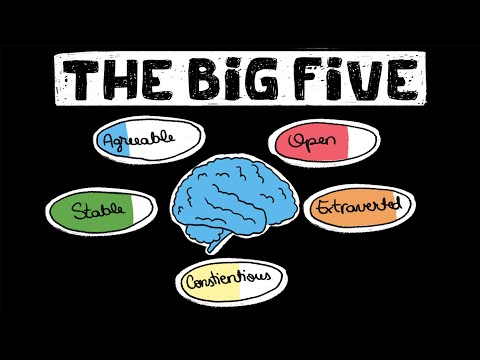
So, have you ever thought about your personality? Like, really thought about it?
You know how sometimes you just vibe with certain people? Or you have those moments when you can’t quite figure out why you react the way you do? That’s what this whole thing is about.
There’s this cool model called the Big Five. It breaks down personality into five pretty simple traits. And trust me, it’s not as boring as it sounds!
Think of these traits like ocean waves. Some days are chill and calm; other days, they crash all over the place. Your personality is kinda like that too, shifting and changing but always uniquely you.
So, let’s explore your ocean personality together. Ready to dive in?
Discover Your Ocean Personality: A Comprehensive Guide to the Big Five Traits (PDF Download)
The OCEAN model, also known as the Big Five, is a fascinating way to understand personality. Each letter stands for a different trait:
- Openess to Experience
- Conscientiousness
- Extraversion
- Agreeableness
- N
So, what does each of these traits mean for you? Let me break it down.
Openness to Experience: This trait reflects how much you enjoy new experiences and ideas. If you’re high in openness, you might love travel, art, or trying out different cuisines. You might be that friend who’s up for anything! On the flip side, low openness could mean you’re more comfortable with routine and less keen on change.
Conscientiousness: This one is about being organized and dependable. High conscientiousness means you’re likely good at planning and following through on tasks. Think of the friend who always shows up on time and has their life together—yup, that’s them! If you’re lower in this trait, maybe spontaneity suits you better.
Extraversion: This is all about how outgoing you are. If you’re an extrovert, social gatherings pump you up—you’re the life of the party! But if you’re more introverted, like I used to be sometimes in high school, large crowds can drain your energy. You probably prefer smaller hangouts where deep conversations can flow.
Agreeableness: This trait relates to how nice or cooperative you are. High agreeableness means you’re empathetic and friendly; people probably find it easy to talk to you. Maybe you’ve even gone out of your way to help someone in need! Lower agreeableness can come off as a bit blunt or straightforward—like when someone speaks their mind without sugarcoating it.
Neuroticism: Finally, neuroticism taps into emotional stability. Higher levels might mean you’re prone to worry or stress easily—ever felt like the world was crashing down over something small? That’s neuroticism talking! Those with low levels are generally more stable and resilient; they roll with the punches better than most.
Understanding your OCEAN personality can give insight into how you react in various situations or why certain things make you tick. It’s kind of like seeing the world through a unique lens that helps explain your behaviors!
And hey, remember: none of these traits are set in stone—you can grow and change over time! Even if one day anxiety feels overwhelming (thanks neuroticism), there may come days when you’ll feel solidly grounded again.
So really think about where you land on this spectrum. It’ll help illuminate not just your strengths but also areas for growth!
If you’re curious about exploring this even further—a PDF download could be handy for diving deeper into each trait’s nuances without getting lost in a book somewhere!
Understanding the Big Five Personality Test: Unlocking Insights into Your Character and Behavior
The Big Five Personality Test, often referred to as the OCEAN model, is like a roadmap of your personality. It breaks down your character into five major traits: **Openness**, **Conscientiousness**, **Extraversion**, **Agreeableness**, and **Neuroticism**. Each of these traits helps paint a picture of how you think, feel, and behave in everyday life.
Openness is all about imagination and creativity. If you score high on this trait, you might be someone who loves new experiences. You enjoy exploring different ideas, cultures, and art forms. For instance, think of someone who can’t resist trying out exotic foods or diving into new hobbies like pottery or photography. On the flip side, low openness could mean you’re more traditional and prefer routine over spontaneity.
Next up is Conscientiousness. This trait speaks to how organized and responsible you are. High scorers are usually planners who stick to schedules and pay attention to detail. Picture a student meticulously preparing for exams by creating a study plan. On the other hand, if you’re lower in conscientiousness, you might be more laid-back or spontaneous—like that friend who decides to go on a road trip without any preparation.
Then there’s Extraversion. This one measures how social and energetic you feel in social situations. If you’re high in extraversion, hanging out with friends sounds like a blast! You thrive in group settings and love being in the spotlight—kind of like that person who’s always initiating the karaoke night! But if you’re lower on this scale, maybe you’d rather curl up with a good book instead of heading out for drinks.
Moving on to Agreeableness, this trait helps identify how compassionate and cooperative you are. A high score often means you’re empathetic and aim to get along with others—sort of like someone who volunteers regularly at shelters or goes out of their way to help friends in need. Lower agreeableness might mean you’re more competitive or skeptical when dealing with others—you know, that friend who always plays devil’s advocate during discussions.
Lastly, there’s Neuroticism, which reflects emotional stability versus instability. If you’re high in neuroticism, stress might hit you harder than it does for others; little things can set off worries that linger longer than you’d like. Think about someone who can’t shake off anxiety before speaking in public or feels easily overwhelmed by daily challenges. Conversely, if your neuroticism score is low, congratulations! You’re likely pretty resilient when faced with life’s ups and downs—like that person who’s generally cool-headed even when everything seems chaotic around them.
Taking the Big Five test can be an eye-opening experience—it not only helps you understand yourself but also improves how you relate to others too! By recognizing where you stand on each trait, it’s easier to navigate personal relationships or career paths that suit your personality best.
So next time life feels unpredictable or confusing (which let’s face it—it often does), remember the OCEAN model as a handy guide for diving into those deeper waters of self-discovery!
Unlocking Your Ocean Personality: Explore the Big Five Traits for Free
The Big Five personality traits, often referred to as OCEAN, are a helpful way to understand your own behavior and how you relate to others. Each letter stands for a different trait: Openness, Conscientiousness, Extraversion, Agreeableness, and Neuroticism. It’s like a map of your personality that can guide you in life decisions, career paths, and even relationships.
So, let’s break this down:
- Openness: This trait reflects your willingness to try new things. Are you an adventurous soul who loves exploring different cultures or ideas? Or do you prefer sticking to the familiar? High openness might mean you’re creative and curious.
- Conscientiousness: Think of this as your level of organization and dependability. Are you a planner or more spontaneous? A high score here means you’re likely disciplined and focused on goals. You probably like setting schedules, finishing tasks ahead of time, and paying attention to detail.
- Extraversion: This is all about how energized you feel around others. Do you thrive in social situations or prefer quiet time alone? If you’re high in extraversion, it probably means you enjoy being the center of attention and feel great in group settings.
- Agreeableness: This trait measures how compassionate or cooperative you are versus how competitive or combative. If you’re high in agreeableness, people might describe you as warm-hearted and friendly. You likely find it easy to empathize with others.
- Neuroticism: Here’s where we get into emotional stability versus instability. People with high neuroticism may experience mood swings or anxiety more frequently. On the flip side, low neuroticism indicates calmness and resilience in stressful situations.
Getting a grip on these traits can help you navigate life better. For instance, if you’re super high in neuroticism but want to be more organized (conscientious), knowing this about yourself might lead you to seek tools or strategies that can help balance out those feelings of anxiety.
Imagine someone who scores really high on openness—let’s call her Lucy. She loves traveling to new places and trying exotic foods. But maybe she sometimes struggles with routines because she gets bored easily while someone who’s more conscientious would thrive with structure.
It’s also worth mentioning that these traits aren’t set in stone; they can change over time! Life experiences can shift how open or agreeable we become as we grow older.
So if you’re feeling stuck sometimes—or just curious about yourself—exploring these Big Five traits can shed some light on who you are at your core. It’s kind of like getting a personalized manual for navigating your own psyche!
So, let’s talk about this thing called the Big Five personality traits, right? It’s a way to understand yourself and others better. Imagine your personality as an ocean. Some days it’s calm and peaceful, while other days it can be stormy and unpredictable. The Big Five breaks down your ocean into five different dimensions: openness, conscientiousness, extraversion, agreeableness, and neuroticism. Each of these traits gives you a glimpse into who you are.
Now, openness is all about how adventurous or creative you are. If you’re the type that loves trying new things—like foods or activities—you might have a pretty wide ocean there! On the other hand, if you’re more into routines and familiar surroundings, that could mean your waves are a bit more still.
Then there’s conscientiousness. This trait relates to how organized and responsible you feel. Do you plan everything in advance or do you just go with the flow? Picture someone who’s super meticulous with their schedule—like they’re navigating through calm waters—compared to someone who sails without a map; their ocean might be choppy but filled with spontaneous surprises!
Don’t forget about extraversion! This one’s fun because it dives into how social you are. If you thrive in crowds and feel energized by being around people, your ocean is probably vibrant and full of lively currents. But if you’d rather chill in a quiet corner with a good book? Maybe those waves are more subdued.
Agreeableness reflects your kindness and cooperation level. Think of it like gentle tides supporting surrounding life in your ocean; people who score high here often want harmony in relationships. Meanwhile, those lower on this scale might have waves that crash hard—being more competitive or skeptical.
Lastly, we have neuroticism. This one deals with emotional stability. Some folks ride the waves with ease while others can get tossed around by storms when faced with stress or anxiety. Understanding where you stand helps manage those tempestuous moments.
You see, reflecting on these traits gives insight into not just how we operate but also why we react to situations the way we do; it all connects back to our unique “ocean.” I remember when I learned about my own traits; it felt like someone finally put words to the swirling chaos I sometimes felt inside me! Recognizing my high neuroticism helped me find coping strategies during tough times.
So basically, understanding your “ocean personality” through the Big Five isn’t just scientific jargon; it’s like having a roadmap for navigating life’s ups and downs! It can make relationships smoother too—because when you get yourself better, you start to see others differently as well! It’s all connected in this wild sea of humanity we’re drifting through together.