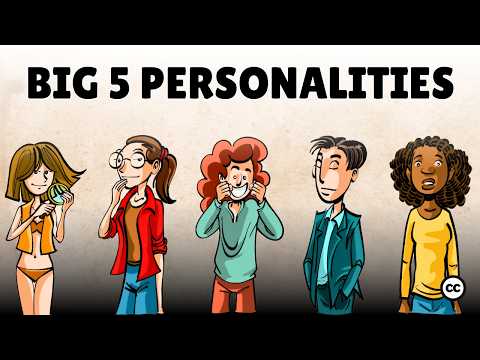
You know those days when you just can’t figure yourself out? Like, why do you react the way you do?
That’s where personality traits come into play. There’s this cool framework called the Big Five. Trust me, it’s not some boring psych class stuff.
Basically, it dives into what makes you… well, you! Extroversion, agreeableness, neuroticism, openness to experience, and conscientiousness. That sounds like a mouthful, right?
But hang tight! These traits can really impact your mental health in ways you might not even realize. You might be surprised by how they show up in your life. Let’s break it down together!
Unlocking Self-Discovery: Understanding the Big Five Personality Test and Its Impact on Mental Health
Understanding yourself better can have a big impact on your mental health, and one way to do that is through the Big Five Personality Test. This test helps you figure out your personality traits, which can be super helpful when navigating life’s ups and downs. It’s like shining a light on who you are, allowing for some serious self-discovery.
So, what exactly are the Big Five traits? They’re Openness, Conscientiousness, Extraversion, Agreeableness, and Neuroticism. Each of these traits represents a range of behaviors and feelings that most people experience to varying degrees.
- Openness: This trait reflects how open-minded and imaginative you are. People high in openness often enjoy new experiences while those low in it might prefer the familiar. Think of it like trying sushi for the first time versus sticking with plain old pasta.
- Conscientiousness: This one’s all about being organized and dependable. If you’re conscientious, you probably keep a tidy space and plan ahead for things. On the flip side, if you’re more laid-back about organization, you might embrace spontaneity.
- Extraversion: Extraverts thrive on social interaction. They’re usually more energetic in social situations. Introverts, however, might enjoy spending quiet evenings at home instead of hitting up a party.
- Agreeableness: People who score high on agreeableness tend to be friendly and compassionate. Low agreeableness can mean being more competitive or critical—it’s not bad! Just different ways of engaging with others.
- Neuroticism: This trait relates to emotional stability. High neuroticism means you’re more prone to stress or anxiety. On the other hand, lower scores indicate that you’re generally calm and resilient.
These traits aren’t set in stone—they can shift over time based on experiences or therapy! Speaking of therapy, knowing where you stand with these traits can really shape your mental health journey.
For example, let’s say someone has high neuroticism but low extraversion. They might feel overwhelmed in social settings but really need connection to feel better emotionally. Recognizing this could push them toward seeking friendships in smaller groups where they feel safe.
Here’s an interesting thought: people who score higher on **openness** may even find therapy more helpful because they’re generally more willing to explore new ideas or change their perspectives during sessions.
Plus, knowing your Big Five scores can help with personal relationships too! For instance, if you’re highly agreeable but your partner is less so, understanding this difference can pave the way for better communication—and fewer arguments.
In a nutshell, figuring out where you fit into these five personality traits provides excellent insight into yourself—a kind of roadmap to understanding your thoughts and feelings better! And as we all know, unlocking this self-discovery is truly one of those powerful things when it comes to improving your mental health and finding balance in life.
Exploring the Big 5 Personality Traits: Real-Life Examples and Insights
The Big Five Personality Traits are a big deal when it comes to understanding ourselves and how we interact with the world. Basically, they break down our personalities into five key areas: **Openness**, **Conscientiousness**, **Extraversion**, **Agreeableness**, and **Neuroticism**. Each of these traits impacts our mental health and relationships in unique ways.
Openness is all about how much you appreciate new experiences and ideas. If you’re high on this trait, you might be drawn to art, travel, or trying new foods. But let’s say you’re more on the low end of the scale; you might find comfort in routine and avoid changes. It’s like that time your friend wanted to go hiking last minute, but you just wanted to chill at home instead. Your comfort zone feels safer.
Then we have Conscientiousness, which is about being organized, responsible, and dependable. If you score high here, you’re probably the buddy everyone counts on because you get things done. Think about that one friend who always remembers birthdays or organizes group trips—totally conscientious! On the flip side, if you’re low in this area, maybe you struggle with procrastination or keeping your space tidy. It’s tough when deadlines sneak up on you because planning isn’t really your vibe.
Next up is Extraversion. This one’s all about where you draw your energy from—people or solitude? Extraverts thrive in social settings; they’re often the life of the party! But if you’re an introvert (which is totally cool), big crowds can drain your batteries faster than your phone at 1% battery life. You probably recharge by curling up with a good book instead of hitting that loud bar scene every weekend.
Now let’s not forget Agreeableness. People high in agreeableness tend to be warm-hearted and cooperative—a great quality for building friendships but sometimes they can be too accommodating. Ever found yourself saying «yes» to plans just to keep others happy? That’s agreeableness right there! Conversely, those with lower agreeableness might seem more competitive or skeptical during discussions. They might question ideas more critically rather than just going along for the ride.
Last but definitely not least is Neuroticism. This trait flips everything upside down—it refers to how much emotional instability someone experiences. If you’re high in neuroticism, anxiety or mood swings could be regular visitors in your life—like a stubborn relative who never leaves after a holiday gathering! In contrast, lower neuroticism often means greater emotional resilience; life’s ups and downs don’t shake you as much.
So there you have it! Each of these traits doesn’t exist in isolation; they interact with one another like an intricate dance affecting everything from friendships to work life—and yes, even mental health outcomes too! Realizing where we fit on this spectrum helps us understand ourselves better and maybe even improve our relationships with others along the way. It’s all about embracing who we are while learning how to navigate life’s complexities together!
Understanding the Connection Between Personality Traits and Mental Health: A Comprehensive PDF Guide
So, let’s talk about personality traits and mental health, specifically the Big Five Personality Traits. You might have heard of them before: they’re like a roadmap for how people behave and interact with the world. Basically, these traits—openness, conscientiousness, extraversion, agreeableness, and neuroticism—can affect our mental health differently.
Openness is all about how curious and imaginative you are. If you’re high in this trait, you might find joy in new experiences and ideas. People who score low might prefer routine and familiarity. Research suggests that those with high openness often experience lower levels of anxiety but can sometimes struggle with mood swings because they’re more sensitive to their experiences.
Conscientiousness is about being organized and responsible. Think of it as your ability to plan ahead and stick to your commitments. Those who score high in this trait usually show better mental health outcomes because they tend to manage their lives well. On the flip side, if you’re low on conscientiousness, you might find yourself feeling overwhelmed by life’s chaos, which can lead to stress or anxiety.
Then there’s extraversion, which reflects how outgoing and social you are. If you love being around people and have a big circle of friends, chances are you’re on the higher end of this scale. Extraverted people often report lower rates of depression but might struggle if they feel isolated or lonely for too long. If you’re more introverted—meaning you recharge alone—you may feel pressure in social situations that could ramp up feelings of anxiety.
Next up is agreeableness. This trait measures how friendly or compassionate you are towards others. High agreeableness typically means better relationships but can lead to neglecting your needs for the sake of harmony. Low agreeableness can be linked to conflict with others but may help in setting personal boundaries that protect your mental health. Balance is key here.
Finally, we have neuroticism, which is basically how emotionally stable or reactive someone is. Those who score high tend to experience mood swings and anxiety more frequently—think of it as having a «low emotional buffer.» People low on this scale usually handle stress better but can seem less sensitive to emotional cues from others.
When we tie these personality traits into mental health care, something really clicks into place! Understanding where you fall on each spectrum can help tailor your approach to managing stress or seeking therapy.
- Your scores on these traits can predict challenges in relationships.
- If you’re naturally prone to anxiety (high neuroticism), mindfulness practices could be beneficial.
- If you’re highly open yet disorganized (low conscientiousness), structured therapy might help channel creativity positively.
- The level of extraversion could influence whether group therapy feels supportive or overwhelming.
- High agreeableness could mean focusing on asserting personal needs without feeling guilty.
In a nutshell? Your personality influences not just how you process the world but also how those feelings manifest into mental health challenges or strengths! So understanding these connections helps guide treatment options that work best for YOU personally—not just cookie-cutter solutions.
Wanting to explore this stuff deeper? Just know it’s worth checking out how your unique blend of traits shapes your journey through life—and ultimately impacts your mental well-being! Pretty cool when you think about it!
You know, the way we act and feel often comes down to our personality traits. And when it comes to understanding ourselves a bit better, the Big Five personality traits can be super helpful. So, like, let’s break them down and see how they might connect to your mental health.
First off, we’ve got openness. This one’s all about being curious, imaginative, and willing to try new things. If you’re high in this trait, you might find that you handle life’s ups and downs with a little more flexibility. You’re probably open to new experiences which can lead to personal growth. But on the flip side, too much openness might leave you feeling overwhelmed if you can’t find a balance.
Next is conscientiousness—think of it as being organized and dependable. If you’ve got this trait nailed down, good for you! It often means you’re good at setting goals and sticking to them. That’ll help keep your anxiety at bay because having structure feels comforting. But if you’re overly conscientious, watch out! You could end up being too hard on yourself or stressed if things don’t go according to plan.
Then there’s extraversion. Some people are energy factories; they thrive in social situations and love being around others. For those folks, positive social interactions can really boost their mood and mental health. But if you lean toward introversion instead? No biggie—you might recharge in quieter settings! Just remember that isolating yourself for too long can sometimes kick-start feelings of loneliness or sadness.
Now let’s talk about agreeableness. This trait is all about how much you get along with others—like being compassionate or cooperative. High agreeableness can improve relationships but might also mean avoiding conflict at your own expense. You ever let someone walk all over you just because you didn’t want a fight? Yep, that can mess with your mental health if it happens too often.
Finally, we have neuroticism—the tendency toward anxiety or mood swings. If this one hits close to home for you, recognize its impact on emotional well-being! Those high in neuroticism may struggle more with stress or negative thoughts but knowing this about yourself is the first step toward taking action.
I remember my friend Sarah; she was always so agreeable but never stood up for herself when things got tough at work. It really took a toll on her happiness until she started recognizing her worth! Once she understood her Big Five traits better—especially how agreeableness nudged her into uncomfortable territory—she figured out some ways to advocate for herself without losing that warm side of her personality.
So yeah, knowing your Big Five traits isn’t just an interesting party trick—it actually helps make sense of your feelings and reactions in day-to-day life! It’s like peering into a mirror and seeing why certain situations affect your mental health the way they do—and maybe even finding ways to manage that better over time.