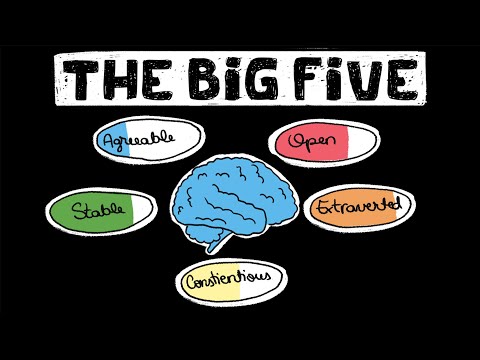
You know how some people just seem to vibe with certain personalities? Like, you can totally tell if someone is an extrovert or maybe a little more introverted.
Well, that’s where the Big Five Sloan Test comes in. It’s this cool tool that helps us understand personality traits in an easy way.
So, if you’re curious about what makes you tick or how you relate to others, this test might be right up your alley.
But here’s the kicker: it’s also a big deal in mental health evaluations! Seriously, it can show patterns that help professionals figure out what’s going on with your mental well-being.
Let’s peel back the layers a bit and see why this test matters so much. You’ll want to stick around for this!
Understanding the Big Five Personality Test: Purpose, Benefits, and Insights into Human Behavior
The Big Five Personality Test, or what some folks call the Five Factor Model, is a way to understand yourself and others better. It breaks down personality into five main traits: Openness, Conscientiousness, Extraversion, Agreeableness, and Neuroticism. Each of these traits gives insight into how you behave, what you value, and even how you cope with stress.
So why should you care about this test? Well, for one, it can help you see patterns in your own behavior. Maybe you’re super organized and stick to a routine—that’s high conscientiousness. Or perhaps social gatherings leave you feeling drained; that could mean lower extraversion. Recognizing where you land on these scales can boost your self-awareness.
In mental health contexts, the Big Five can be quite handy. For instance, therapists sometimes use it to help individuals understand their behaviors that contribute to anxiety or depression. If someone scores high in neuroticism, they might be more prone to emotional instability. That gives both the person and their therapist a place to start when talking about coping strategies.
Here are some neat benefits of using the Big Five in mental health evaluation:
- Personal Insight: Learning where you fall on each trait can lead to personal growth.
- Better Communication: Understanding personality traits can improve interactions with others.
- Tailored Therapies: Therapists can customize interventions based on personality profiles.
- Coping Strategies: You get clues about how to deal with stress rooted in your personality.
- Career Guidance: Helps assess suitability for certain jobs based on traits.
Think of it like this: if you’re prone to anxiety but know that openness helps people adapt better during challenging times, maybe trying new things becomes a goal for managing that anxiety.
But hey, it’s not all cut and dried—people are complicated! You could be agreeable but still stand up for yourself fiercely when needed. Or maybe your high openness doesn’t mean you’re spontaneous; it might just mean you’re curious about the world in different ways.
So how do we measure these traits? Usually through self-report questionnaires where you’d answer various statements related to each big five trait. The results show where you lie on a scale from low to high for each of those traits.
In summary, the Big Five Personality Test isn’t just some random quiz—it’s got real insights into your behavior and emotions. By understanding yourself better through this lens, you’re likely to feel more empowered in both personal relationships and mental health journeys. Plus, who doesn’t want a little extra clarity in life?
Understanding the Personality Types Most Prone to Depression: Key Insights and Research
Okay, so let’s get into it! When we talk about personality types and their connection to depression, it’s super interesting. You know how some folks just seem to tackle life with a smile, while others get weighed down by everything? Well, researchers have been exploring how certain personality traits can make someone more likely to experience depression.
One popular framework that dives into this is called the Big Five personality traits. Basically, it looks at five major dimensions of personality: openness, conscientiousness, extraversion, agreeableness, and neuroticism. Each of these traits can give us insights into someone’s mental health.
- Neuroticism: This is a big one. People scoring high in neuroticism often experience emotions like anxiety and sadness more intensely. Think about it: if you’re constantly feeling on edge or worried about things that may never happen, that can easily lead to feelings of depression.
- Extraversion: On the flip side, extraverts usually have a more positive outlook. They thrive on social interactions and tend to be more energetic. But if an extravert starts feeling overwhelmed or isolated—say after a breakup—they might dip into depression because they’re used to being around people.
- Conscientiousness: Those who score high here are organized and responsible. While this trait can be protective against depression (because they’re good at coping with stress), if their perfectionistic tendencies go too far, it could lead to burnout or feeling inadequate over time.
- Agreeableness: Generally associated with being compassionate and cooperative. If you’re super agreeable but neglect your own needs by always putting others first, you might end up feeling resentful or depressed when your sacrifices aren’t appreciated.
- Openness: This is all about being open-minded and imaginative. People high in openness might seek out new experiences but could also feel overwhelmed by life’s unpredictability, leading them down a depression path if not managed well.
The trick is balancing these traits. For instance, let’s say you have a friend who is very agreeable but also struggles with low self-esteem. They keep saying yes to everything—helping others while ignoring their own needs—and eventually they burn out. That emotional exhaustion can pave the way for depressive feelings.
A recent study found that individuals with high neuroticism were significantly more likely to develop depressive symptoms later on compared to their peers with lower scores on that trait. It highlights why mental health evaluations often include personality assessments like the Big Five—they give crucial context about what someone might be going through emotionally.
This means understanding your own personality type could be key in identifying potential risks for depression early on! Knowing where you stand could help you make adjustments or seek support when needed—like connecting with friends or a therapist who gets your unique vibe.
If we think about how these traits interact in real life—like how social media can exacerbate feelings for someone low in extraversion—we see that context really matters too! So remember: personality isn’t destiny; it’s just one piece of the puzzle when we’re navigating our mental health journey.
The important takeaway? You’re not alone in this brain game! Learning more about yourself through tools like the Big Five can empower you—and keep those pesky depressive feelings at bay!
Exploring the Big 5 Personality Traits: Which One Increases the Risk of Mental Illness?
The Big Five Personality Traits are a big deal in psychology. These traits—Openness, Conscientiousness, Extraversion, Agreeableness, and Neuroticism—help paint a picture of who you are. Each one can have a significant impact on your mental health. So, let’s break it down, okay?
Openness is about how curious and open-minded you are. People high in this trait tend to be creative and willing to try new things. They’re often more vulnerable to anxiety because they might dwell on new experiences or ideas that cause stress.
Then we have Conscientiousness. This one’s about being organized and dependable. Those who score high here usually have better coping strategies for stress, which can lower their risk of mental illness. They’re like the planners of the group—kinda soothing to be around!
Now onto Extraversion. Extraverts love being social! But here’s the catch: people who are too extraverted might struggle when their social needs aren’t met. If they find themselves isolated for too long, it could lead to feelings of loneliness or even depression.
Next up is Agreeableness. High agreeableness means you’re friendly and compassionate. While that’s usually a good thing, it can backfire if someone is overly nice at the expense of their own needs. It can lead to anxiety or burnout since they may avoid conflicts at all costs.
Finally, we hit on Neuroticism, which really stands out as a trait that can increase mental illness risk. Folks with high neuroticism often experience more negative emotions like sadness or anger. They might overreact to stressors and find it hard to cope with life’s challenges effectively.
You see how these traits interact? For instance, someone who’s both high in Neuroticism and low in Conscientiousness might be more prone to anxiety disorders or depression because they struggle with handling stress effectively while also feeling overwhelmed by negative emotions.
Let’s touch on the **Big Five Sloan Test** real quick—it’s often used for evaluating these personality traits within the context of mental health assessments. This kind of tool can help professionals understand where you might fit within these traits and how it relates to any potential mental health issues you could face.
In short, knowing where you land on this Big Five spectrum could help you understand your strengths and areas where you might need some support! It’s not just about labeling yourself; it’s about using that knowledge for personal growth or seeking help when needed.
So yeah, basically you’re looking at a web of interactions between these traits that can really impact your mental well-being!
So, you know how we all have different personalities? Some of us are super outgoing and love being the life of the party, while others might be more reserved and prefer a quiet night in. That’s where the Big Five personality traits come into play. They help to explain those differences in a really cool way.
The Big Five includes openness, conscientiousness, extraversion, agreeableness, and neuroticism. Each of these traits can give a peek into who we are and how we respond to the world around us. For example, if you score high on neuroticism, you might find yourself feeling anxious or stressed more than others. And if you’re high on extraversion, social situations could energize you rather than drain you.
The Sloan Test is one way to measure these traits more precisely. It helps people see where they might fall within these dimensions. And honestly? Knowing this stuff about yourself can be super helpful for mental health evaluation.
Think about it: If you’re aware that you tend to get overwhelmed easily because of high neuroticism, it can make it easier to talk with a therapist or counselor about your experiences. You’re not just saying “I feel anxious.” You’re giving context—like “I tend to be this way because my personality leans towards higher neuroticism.” This understanding can shape the tools and strategies that work best for you.
Honestly, I once had a friend take this test out of sheer curiosity. She always seemed calm and collected but discovered she was actually quite high in conscientiousness! Who knew? This little revelation helped her realize why she often felt stressed if things weren’t organized just right—it’s part of her makeup! After that, she learned how to manage her stress better by finding ways to embrace that trait without letting it control her.
The Big Five framework is like having a map for your mental landscape. It doesn’t label you as «good» or «bad.» It’s more about understanding yourself so that when life throws its curveballs—like tough times at work or personal challenges—you’ve got insight into your reactions and coping mechanisms. It’s not just numbers on a page; it’s about feeling heard and understood in your own unique way.
So next time someone mentions the Big Five or the Sloan Test, think of it as less about categorizing people and more about giving folks tools they need for better self-awareness and mental health journeys. Because understanding ourselves can really make a difference in how we navigate life’s ups and downs!