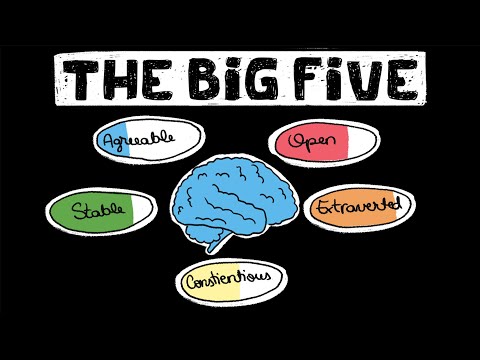
Ever heard of the Big Five Inventory Test? It’s kind of a big deal in the world of psychology. Seriously, it helps you figure out your personality traits in just a few minutes.
You might be wondering, why should I care about my personality, right? Well, understanding yourself can really change how you deal with life.
Imagine trying to navigate through your day-to-day without knowing what makes you tick. It can feel like driving blindfolded!
That’s where this test comes in handy. It not only sheds light on who you are but can also play a role in your mental health journey. Curious? Let’s explore this together!
Exploring the Big Five Inventory Test: A Free Tool for Understanding Mental Health
The Big Five Inventory Test (BFI) is one of those online tests that lets you peek into your own personality. Seriously, it’s like a fun way to better understand yourself! The idea behind it is pretty simple: it measures five major dimensions of personality. These are openness, conscientiousness, extraversion, agreeableness, and neuroticism. Each of these traits gives you insight into how you think and feel.
So, let’s break it down a bit more.
Openness refers to how receptive you are to new experiences. Are you the type who loves trying out new foods or traveling new places? A high score in this area usually means you’re imaginative and curious.
Next up is conscientiousness. This one’s about being organized and dependable. If you plan your week out in advance and pay your bills on time, chances are you’re scoring high here. It can give clues about your work ethic too—people who rank high in this trait often do well professionally.
Then there’s extraversion. This trait shines a light on how much you enjoy social interactions. If you’re energized by parties and chatting with people, you’ve probably got a strong extraversion score. But if you’d rather binge-watch Netflix alone with a bowl of popcorn, that might tell a different story!
Now let’s talk about agreeableness. It reflects how friendly and cooperative you are towards others. If you find yourself often going out of your way to avoid conflict or help someone in need, you’re likely more agreeable.
Finally, we have neuroticism. This trait looks at how prone you are to experiencing negative feelings like anxiety or depression. A higher score here can mean more sensitivity to stressors and possibly feeling overwhelmed more easily.
What makes the BFI especially cool is that it can give you insight into your mental health. Like if you’re high on neuroticism but low on agreeableness—it could suggest some areas where stress might pop up in relationships or at work.
You might be wondering how this affects your day-to-day life, right? Well, knowing where you stand on these five traits can help guide decisions—like which job suits your style best or what types of relationships might be satisfying for you.
Also important is that the BFI isn’t just for self-reflection; researchers use it too! It helps understand broader patterns in personality across different populations and can even assist therapists in tailoring their approaches based on individual traits.
Taking the test is usually free online—just remember that it’s not the end-all-be-all for understanding yourself but definitely an insightful tool! So next time you’re curious about why you react the way you do or why certain things just vibe with you—instead of stressing over those thoughts—give it a go! You never know what interesting things you’ll discover about yourself along the way.
Understanding the Connection Between Personality Traits and Mental Health: A Comprehensive PDF Guide
Personality traits can play a significant role in how we feel and behave, especially when it comes to mental health. One popular way to look at these traits is through the Big Five Inventory test. It measures five key dimensions of personality: openness, conscientiousness, extraversion, agreeableness, and neuroticism. Each of these traits can influence your mental well-being in different ways.
Openness relates to how willing you are to try new things or consider different ideas. People who score high on this trait tend to be more creative and open-minded. They’re also more likely to seek out novel experiences, which can enhance their happiness and mental resilience.
On the other hand, conscientiousness is all about being organized and dependable. Individuals with high conscientiousness often set goals and work hard to achieve them. They tend to manage stress better because they plan ahead and stay focused on what’s important.
Now, let’s talk about extraversion. Those who score high here are usually outgoing and social. Being around others can boost your mood significantly! Social connections can help ward off feelings of loneliness and anxiety, making extraverts generally more resilient in facing life challenges.
Then there’s agreeableness. This trait involves being compassionate and cooperative towards others. If you’re high on agreeableness, you probably find joy in helping people out or resolving conflicts peacefully. Unfortunately, sometimes overly agreeable individuals might struggle with asserting their own needs which can lead to feelings of resentment or burnout.
Finally—and this is a biggie—neuroticism reflects emotional instability. High scores in neuroticism often mean experiencing anxiety, mood swings, or irritability more frequently than others do. Those lower in neuroticism might have a calmer demeanor overall but could be seen as less sensitive to emotional cues from others.
So what’s the connection between these traits and mental health? Well:
- The way you score on these personality dimensions can affect your vulnerabilities or strengths regarding psychological issues.
Let’s imagine someone named Sam who has a lot of energy (high extraversion) but struggles with worry (high neuroticism). Sam might throw himself into social activities but then get overwhelmed by anxious thoughts afterward. Understanding how these traits work together helps us see why he feels this way.
In essence, knowing where you stand on the Big Five Inventory can provide insights into your mental health journey. It doesn’t define you but gives a clearer picture of how your personality interacts with your emotions and behaviors!
Understanding yourself better is like having a roadmap—it helps navigate life’s ups and downs more smoothly!
Understanding the Five-Factor Model: Applications in Mental Health and Psychology
The Five-Factor Model, often called the Big Five, is like a roadmap to understanding personality. So, you’ve got these five traits that pretty much define how people behave and interact with the world. Each trait is on a spectrum, meaning you can be high or low on any of them. Here’s what they are:
- Openness to Experience: This describes how open-minded and curious you are. People high in this trait tend to be imaginative and adventurous. Think about someone who loves trying new foods or exploring new ideas.
- Conscientiousness: This one’s about being organized and dependable. If someone scores high here, they’re usually good at planning ahead and follow through with tasks. You know those people who always have their stuff together? Yep, likely high in conscientiousness.
- Extraversion: How outgoing or reserved are you? Extraverts gain energy from social interactions, while introverts recharge in solitude. It’s more like a spectrum than a strict category.
- Agreeableness: This measures your friendliness and compassion towards others. Those high in agreeableness are typically more cooperative and eager to help out.
- Neuroticism: This trait focuses on emotional stability. People scoring high often experience anxiety or mood swings, while those low tend to be more calm and relaxed.
Understanding these traits isn’t just an academic exercise; it has real-world applications in mental health and psychology.
Let’s say you’re talking about therapy for anxiety. If someone has high neuroticism, they might benefit from approaches that focus on emotional regulation or mindfulness techniques. That’s key because what works for one person might not work for another—like how some folks vibe with cognitive-behavioral therapy while others click better with mindfulness practices.
There was a friend of mine who was seriously struggling with anxiety but never realized his neurotic tendencies were part of the issue until he took the Big Five Inventory Test. He learned he was super high in neuroticism but low in openness—no wonder he felt trapped! Once he understood that connection through the test results, we worked together (and with a therapist) to explore new hobbies that could help him embrace opportunities rather than avoid them.
In workplaces too, understanding these traits can lead to better team dynamics. For instance, if a team member scores high in extraversion but another is low, knowing this can help everyone communicate better and play off each other’s strengths.
The Big Five also plays a role in mental health assessments. Psychologists use it as part of comprehensive evaluations since personality traits can affect how individuals respond to therapy or medication—part of crafting that personalized approach we’re all after.
So remember: the Five-Factor Model isn’t just about putting people into boxes; it’s more like using a compass to find your way through your own mind—and maybe even your relationships too! By grasping where you stand on each trait, you get insights into not just yourself but also how you connect with others around you.
The Big Five Inventory Test is one of those personality assessments that really gets you thinking. So, like, if you ever took one of those quizzes that tells you what kind of pizza topping you are, this is kind of like that but way more serious—and actually helpful. It measures five major personality traits: openness, conscientiousness, extraversion, agreeableness, and neuroticism. Each of these traits influences how we behave and react in different situations, including our mental health.
For instance, let’s chat about neuroticism for a sec. People who score high on this trait might experience anxiety more often or feel overwhelmed by stress. I had a friend who was super high-strung about everything—like she couldn’t fall asleep without worrying about her to-do list for the next day. That constant anxiety can put a huge strain on mental health over time. On the flip side, someone low in neuroticism might roll with the punches better and manage stress like it’s no biggie.
Conscientiousness is another interesting trait. Folks high in this area tend to be more organized and responsible. It’s pretty cool because being organized can sometimes lead to better mental health. They’re more likely to take care of tasks before they pile up into overwhelming messes—like my other friend who had a knack for keeping her life together amidst chaos.
Then there’s openness to experience, which can make a difference too! If you’re open-minded and adventurous, you might be more willing to try new things—like therapies or activities that promote well-being. I remember when I encouraged my friend who was skeptical about therapy to give it a shot; turns out she loved it! She was so open to exploring new ideas that it transformed her outlook on life entirely.
So when we think about mental health through the lens of the Big Five Inventory Test, it makes sense—it helps us understand ourselves better and identify areas where we might struggle or thrive. This self-awareness can be super helpful when seeking therapy or support since knowing your personality traits might make it easier for a therapist to guide you effectively.
Honestly, it’s all interrelated in this big web of who we are as people. The Big Five does an awesome job helping us break down our personalities into understandable bits so we can do something constructive with that knowledge—whether that’s improving our mental health or just being kinder to ourselves during tough times. It’s refreshing to view your quirks through this lens rather than feel bogged down by them!