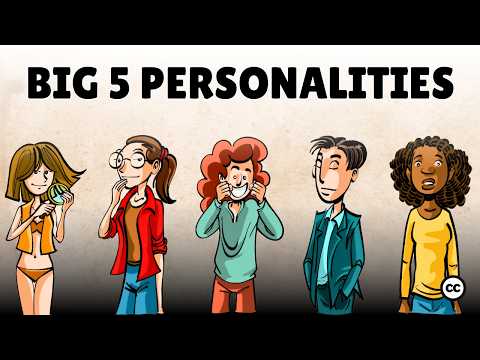
So, let’s chat about something kinda cool: your personality traits. You know, the stuff that makes you, well, you! Ever heard of the OCEAN model? It’s like this neat little way to break down our personalities into five big traits.
You’ve got Openness, Conscientiousness, Extraversion, Agreeableness, and Neuroticism—sounds fancy but stick with me! These traits can really shake things up in your mental health.
Think about it. How you react to stress or connect with others often ties back to these traits. It’s wild how much they can shape your day-to-day life. I mean, who knew personality had such a big role in our heads?
So grab a snack and let’s dig into how these traits might be influencing your mood and well-being!
Understanding the Connection Between Personality Traits and Mental Health: A Comprehensive PDF Guide
Understanding how personality traits connect to mental health is pretty fascinating. It’s like peeling back layers to see how we tick. One popular way to look at personality is the OCEAN model, which stands for Openness, Conscientiousness, Extraversion, Agreeableness, and Neuroticism. Each of these traits can influence how we experience life and handle our mental well-being.
Let’s break it down a bit:
- Openness: This trait involves being open-minded and willing to try new things. People high in openness often have rich imaginations and are more creative. They might be more prone to anxiety, but that creativity can help them express feelings and cope better.
- Conscientiousness: This one’s about being organized and responsible. If you score high here, you probably plan ahead and pay attention to details. Studies show that highly conscientious people often have better mental health because they make healthier choices. But they can also get stressed out if things don’t go as planned.
- Extraversion: Outgoing folks usually thrive on social interactions. They tend to have higher self-esteem and lower levels of loneliness. However, if you’re naturally extraverted but find yourself isolated due to circumstances (like a pandemic), it might hit your mental health hard.
- Agreeableness: If you’re kind and empathetic, you’re likely scoring high here. While this can lead to fulfilling relationships—which is a big plus for mental health—sometimes overly agreeable individuals might struggle with assertiveness or get taken advantage of.
- Neuroticism: This trait describes emotional instability. If you rate high on neuroticism, you might experience mood swings or intense emotions more than others do. Here’s the kicker: higher levels of neuroticism are linked with anxiety disorders or depression.
So basically, these traits don’t exist in a vacuum; they interact with each other and play into the bigger picture of mental health.
I once had a friend who was super open-minded but struggled with anxiety. He’d dive into new hobbies like painting or hiking but then feel overwhelmed by the pressure he put on himself to be perfect at them right away. It shows how openness can both enrich your life but also bring its own challenges.
People often overlook that our personalities shape not just how we relate to ourselves but also how we connect with others—and that connection is vital for good mental health.
Understanding your personality traits can empower you too! You could focus on enhancing strengths or working through weaknesses related to those traits. Just knowing this stuff can help lighten the load when mental challenges come knocking.
In short, embracing the OCEAN model could give you insights into your own mind. Whether you’re navigating your journey through therapy or just trying to understand yourself better, these connections between personality and mental health are worth considering!
Exploring the Connection Between Big Five Personality Traits and Anxiety: What You Need to Know
You might have heard of the Big Five personality traits, often called OCEAN, which stand for Openness, Conscientiousness, Extraversion, Agreeableness, and Neuroticism. These traits paint a pretty clear picture of who you are and how you interact with the world. But what’s really fascinating is how they connect to anxiety.
Neuroticism is the standout trait here. Basically, if you score high on this one, it could mean you’re more likely to experience anxiety. People with high neuroticism often react more intensely to stressors and might have a harder time managing their emotions. So if you’re feeling anxious a lot of the time, it could be tied back to this trait.
Then there’s Extraversion. If you’re outgoing and social, you might have a buffer against anxiety. Extraverts typically enjoy social situations and draw energy from being around others. They tend to cope better with stress because they can lean on their friends and family for support. Think about that friend who’s always up for a party—chances are they’re not losing sleep over anxiety.
Another one worth mentioning is Openness. Those who are high in openness are usually more flexible in their thinking and might find creative ways to deal with life’s challenges. This trait can also lead to exploration of new therapies or coping strategies that help manage anxiety.
Now let’s talk about Conscientiousness. If you’re diligent and organized—traits that fall under conscientiousness—you may find it easier to handle stress effectively and keep anxiety at bay. You probably plan ahead and stick to routines that ground you, helping reduce unexpected stressors in your life.
Lastly, we can’t forget about Agreeableness. High agreeableness can mean being more empathetic but also too accommodating at times. This may lead someone to take on others’ problems as their own—something that can certainly ramp up anxiety levels!
So basically, these traits don’t operate in isolation; they mix together in complex ways that shape your mental health experiences. Understanding where you stand on these traits could help highlight why certain triggers affect you more than others or why some people seem to sail through tough times while others struggle.
If you’ve ever had that moment where your heart races before giving a presentation or talking to someone new? Well, attributes like neuroticism may explain it! And keeping an eye on these characteristics can empower you as well—knowing them helps illuminate what support or strategies might work best for managing anxiety.
In short: your personality plays a big role in both how you experience anxiety and how well you cope with it each day!
Exploring the Link Between Personality Traits and Mental Health Outcomes
So, let’s chat about personality traits and how they connect to our mental health. You’ve probably heard of the OCEAN model, right? It’s all about five big traits: Openness, Conscientiousness, Extraversion, Agreeableness, and Neuroticism. Each of these can seriously shape how we feel and cope with life.
Openness is all about being imaginative and curious. People high in this trait tend to be more creative and willing to try new things. But here’s the kicker: high openness can sometimes lead to anxiety because of that constant chase for novelty. If you’re always looking for the next big adventure but can’t find it, that can set off some mental health struggles.
Now, Conscientiousness involves being organized and dependable. Those who score high typically handle stress better. They make plans and stick to them. This ability can serve as a protective factor against issues like depression or anxiety because they generally feel more in control.
Then you have Extraversion. People who are extroverted love socializing and often feel energized in groups. This trait can really boost your mood since social connections are super important for emotional well-being. But if an extrovert feels isolated or alone, that can hit hard on their mental health.
On the flip side, there’s Agreeableness, which relates to being compassionate and cooperative. High agreeableness is linked with positive relationships but can also lead to people-pleasing behavior. If you’re always putting others before yourself, it may leave you feeling drained or even resentful over time.
Finally, we have Neuroticism. This one’s tricky—it reflects how emotional stability might fluctuate. High neuroticism is associated with increased risk for anxiety disorders or mood issues because these individuals might experience heightened sensitivity to stressors or negative emotions.
The thing is, these traits don’t exist in a vacuum; they interact with each other too! For instance, someone high in neuroticism paired with low conscientiousness might struggle even more during tough times versus someone who has higher levels of conscientiousness.
A friend of mine used to worry a lot—she was super imaginative (high openness) but also tended toward anxiety (high neuroticism). She found solace in journaling her thoughts out; it really helped her process everything swirling around her mind!
In other words, understanding these traits gives us insights into our own behavior patterns and potential vulnerabilities when it comes to mental health outcomes—and there’s value in knowing that! By recognizing where we stand on this OCEAN scale, we might just figure out better ways to cope with life stuff that gets thrown our way!
You know, when you hear the word «ocean,» it might spark images of crashing waves and sandy beaches. But in psychology, there’s this cool framework called the «Big Five» personality traits, and one of them is often referred to as the ocean model. Each letter stands for a different trait: Openness, Conscientiousness, Extroversion, Agreeableness, and Neuroticism. These traits can really shape how we experience life and even impact our mental health.
Let’s take a quick peek into each trait. Someone high in Openness might be super curious and creative. They love new experiences! On the flip side, someone low in this trait might prefer routine and familiar surroundings. I once had a friend who was all about trying new foods and traveling to offbeat places. It brightened her mood just thinking about her next adventure! That’s definitely a benefit of high openness.
Now, Conscientiousness relates to being organized and dependable. People scoring high on this tend to plan things out rather than live spontaneously. They’re less likely to feel overwhelmed by responsibilities since they have their lives pretty much under control. But hey, what if you’re on the lower end here? You might find yourself procrastinating or feeling anxious about deadlines—seriously not fun!
Then there’s Extroversion. If you’re extroverted, you thrive on social interactions; those late-night talks with friends can fuel your energy! But if you’re more introverted? You might need some quiet time to recharge after socializing. I get it—sometimes when I’ve been out too long, it feels like I’m running on fumes by the end of the night.
Agreeableness is about how compassionate or cooperative you are versus being more competitive or confrontational. High agreeableness can lead to strong relationships but might also mean you struggle with saying no when you really want to! It’s like giving your all in friendships but then feeling drained because some people take more than they give back.
Finally, there’s Neuroticism—this one’s a bit tricky since higher levels can mean being prone to anxiety or mood swings. This doesn’t mean folks are doomed though! Understanding this trait helps people address their worries better instead of getting stuck in that spiral.
So how do these traits influence mental health? Well, if you score high in conscientiousness but low on neuroticism, chances are you’re navigating life with fewer bumps than someone who’s anxious all the time. Your personality colors your daily experiences with various shades—sometimes it’s light and playful; other times it’s heavy and stormy.
In the end, accepting who we are while being gentle with ourselves during tough moments can help us manage our mental health better. Just like waves in an ocean shift constantly—we’re also changing and evolving over time! And that’s what makes us human—you know?