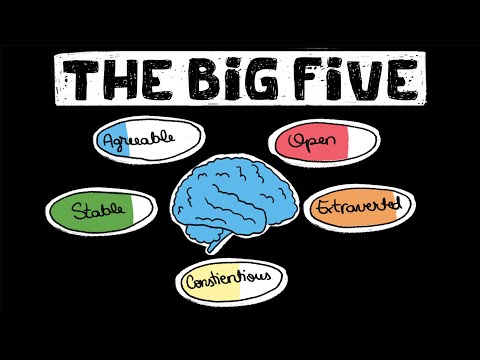
You know how we all have those moments when we think, “Why do I act the way I do?” It’s pretty wild, right?
Well, that’s where personality tests come in. There’s this one called the Big Five OCEAN test. It’s like a little peek into your brain.
Ever wondered if you’re super extroverted or more of a quiet thinker? This test breaks it down for you.
It looks at five main traits: openness, conscientiousness, extraversion, agreeableness, and neuroticism. Sounds fancy, but don’t worry; it’s really not that complicated.
Honestly, it can give you some cool insights about yourself. So hey, maybe let’s figure out who you really are!
Understanding the Big Five Personality Test: Key Insights into Your Character and Behavior
The Big Five Personality Test, also known as the OCEAN model, is a pretty popular way to get a peek into your personality. Basically, it breaks down your character traits into five main categories. Think of it as a simple map of who you are. The five traits are Openness, Conscientiousness, Extraversion, Agreeableness, and Neuroticism. Each plays a role in shaping your behavior and how you interact with the world.
First off, let’s chat about **Openness**. This trait reflects how open-minded and creative you are. If you’re someone who loves trying new things—like exploring different cultures or diving into weird hobbies—you might score high in this area. On the flip side, if routine comforts you more than spontaneity, openness might not be your strong suit.
Then there’s **Conscientiousness**. This trait is all about being organized and dependable. People who score high here tend to be responsible and disciplined—think of that friend who’s always on top of their game with work or school projects. If you’re more laid-back and go with the flow, that might show you’re lower on this scale.
Next up is **Extraversion**. This one’s pretty straightforward: it measures how outgoing and energetic you are in social situations. Do parties fill you with excitement? Or do they drain your energy? High scorers thrive on social interaction while those lower on the scale may prefer quieter environments.
**Agreeableness** measures how friendly or compassionate someone is towards others. A high score here suggests you’re empathetic, trusting, and cooperative—like the friend who always listens when you need to vent! A lower score could mean you’re more competitive or critical at times, which isn’t bad; just different!
Lastly, we have **Neuroticism**, which can sound a bit daunting but stick with me! This trait gauges emotional stability. If you often feel anxious or moody, you might have a higher neuroticism score. Conversely, those who manage their emotions well usually have lower scores here.
So what does this all mean for you? Understanding where you fall on these scales can really help in many aspects of life—from relationships to career choices. You ever notice how two friends can react differently to the same situation? Well, personality traits play a big part in those differences!
You could take the Big Five test online—it’s super easy! Afterward, you’ll get a clearer picture of yourself—not like some crystal ball kind of clarity but more like holding up a funhouse mirror that shows both strengths and quirks.
If you’ve ever had that moment when someone just *gets* you—or maybe doesn’t—that’s part of what makes personality theories so valuable! They help us articulate why we feel certain ways or why we clash with others sometimes.
In short, personality tests like the Big Five aren’t perfect but can offer cool insights into our behavioral styles and emotional needs. It’s all about understanding yourself better so you can navigate life—and relationships—with greater ease!
Discover Your Personality: Take the Free Big 5 Personality Test Today!
The Big Five personality traits, often referred to as OCEAN, are a super helpful way to explore your personality. Basically, these traits are **Openness**, **Conscientiousness**, **Extraversion**, **Agreeableness**, and **Neuroticism**. Each person has a unique mix of these traits that shapes how they act and think.
When you take the Big Five personality test, you’re diving into an assessment that looks at where you fall on each of these dimensions. You might find yourself surprised at what it reveals about your tendencies. Do you like trying new things? That’s your openness showing up! Or maybe you’re super organized and detail-oriented—that’s conscientiousness for you.
And get this—these traits can influence everything from your career choices to your relationships. For example, someone high in extraversion might thrive in social settings and love being around people. On the other hand, a more introverted person could feel drained after big gatherings and prefer smaller group interactions.
Here’s a quick rundown on what each trait means:
- Openness: This trait reflects how much you enjoy new experiences and ideas. If you’re creative or curious about the world, you’re likely high in openness.
- Conscientiousness: People who score high here tend to be organized, responsible, and reliable. Think of someone who always meets deadlines or keeps a tidy workspace.
- Extraversion: This one measures how outgoing you are. High scorers usually are energetic and enjoy engaging with others.
- Agreeableness: If you’re compassionate and cooperative, chances are you’re scoring high in this trait. It’s all about how well you get along with others.
- Neuroticism: This trait is linked to emotional stability. Higher scores can mean more anxiety or mood swings; lower scores often indicate calmness in stressful situations.
So why take the test? Well, it’s not just for fun—understanding your personality can help you grow personally and professionally. Maybe you’ve noticed that certain situations stress you out more than others; knowing your neuroticism level can help you manage those feelings better.
Let me tell ya about a friend of mine who took the Big Five test last year. She always thought she was just “quirky” but didn’t realize how high her openness score was until she saw it on paper. That knowledge pushed her to pursue more creative projects she’d been hesitant about before.
Taking this test doesn’t have to be serious business either! It can feel like self-reflection without the heavy lifting—and isn’t that refreshing? Just approach it with an open mind, and remember: every trait has its strengths.
You know what? Understanding yourself better through something like the Big Five can be empowering! It gives you clearer insights into your thoughts and actions while also helping improve relationships by seeing where others come from too.
So if you’re up for it, give that free Big Five personality test a shot! You might walk away with some surprising—and maybe even enlightening—stuff about yourself!
Unlock Your Personality: Download the Big Five Personality Test PDF Guide
The Big Five Personality Test is a popular way to understand yourself a bit better. You know, it’s kind of like looking in the mirror but, like, for your personality traits instead of your physical appearance. The five traits it looks at are Openness, Conscientiousness, Extraversion, Agreeableness, and Neuroticism. They’re often summarized with the acronym OCEAN.
Openness is all about how open-minded you are. People who score high on this trait tend to be creative and curious. They love new experiences! Think of someone who’s always suggesting the latest art exhibit or that quirky new restaurant in town. If that sounds like you, then congrats!
Conscientiousness measures how organized and dependable you are. High scorers in this area are usually disciplined and goal-oriented. Picture a friend who never misses a deadline and keeps their desk spotless—yeah, that’s someone high in conscientiousness.
Then we’ve got Extraversion. This one reflects how much energy you get from social interactions. If you’re the life of the party or find yourself energized after hanging out with friends, chances are you’re on the higher end of this trait.
Next is Agreeableness. This trait looks at how friendly and compassionate you are towards others. High agreeableness means you’re usually trusting and cooperative—like that buddy who always puts group harmony first.
Finally, there’s Neuroticism, which taps into emotional stability. A person scoring high here might experience anxiety or mood swings more often than those who score low on this trait. It’s kind of like being on an emotional roller coaster sometimes.
You can find a PDF guide for the Big Five Personality Test online pretty easily. It typically covers how to take the test and explains each trait in detail so you really get what they mean.
If you’re wondering why all this matters: understanding your personality can help with relationships, work life, and even decision-making! Like when choosing which job fits your style or why you click with some people but not others.
So yeah! The Big Five isn’t just a fancy psychology term—it’s a tool for getting to know yourself better!
You know, understanding personality is pretty fascinating, right? I mean, we all have our quirks and traits that make us who we are. One way people often measure this is through the Big Five personality traits, also called the OCEAN model.
So, OCEAN stands for Openness, Conscientiousness, Extraversion, Agreeableness, and Neuroticism. Each of these pieces paints a different part of your personality portrait. For example, if you score high on Openness, you’re probably creative and open to new experiences—like that friend who’s always suggesting off-the-wall adventures!
I remember taking the test myself one day when I was feeling particularly curious about why I react to things the way I do. My results showed I had high Extraversion (which kinda made sense) but surprisingly low Neuroticism. I thought I’d be more anxious about stuff since my mind tends to race sometimes. But it turns out that I’m pretty chill about stress—and that revelation felt like a little light bulb moment for me.
What’s cool about the OCEAN test is it doesn’t box you in; it just offers insights into your behavior and feelings. You could compare notes with friends or even use it in team settings at work! But be careful not to take it too seriously—it’s just one piece of the puzzle. Life’s way messier than what any test can capture.
But here’s the thing: while these traits might feel accurate for many people, they’re not set in stone. Our personalities can evolve based on experiences or even age! One small change could shift how we see and interact with the world around us.
So yeah, if you’re thinking about taking that Big Five test—or maybe you’ve already done it—just remember that it’s merely a starting point for understanding yourself better. And who knows? Maybe this will help spark some deeper conversations with friends or even just give you some food for thought on how to embrace your unique vibe!