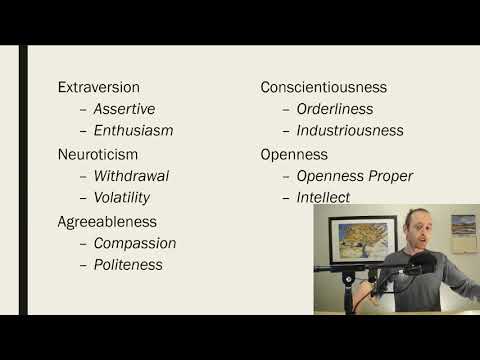
So, let’s talk about personality for a sec. You ever wonder why some people are super outgoing while others are, like, total homebodies? Or why some friends seem always chill while others freak out over the smallest things?
That’s where the Big Five Questionnaire comes in. It breaks down personality into five key traits. Seriously, it’s kinda wild how much we can learn about ourselves and each other through this stuff.
Imagine being able to peek into someone’s psyche, just a little. Pretty cool, right? So grab a snack and let’s dive into this personality adventure together!
Understanding the Big Five Personality Test: Unlocking Insights into Your Behavior and Traits
The Big Five Personality Test is a really interesting way to look at who you are as a person. You know, it breaks down personality into five main traits that can help you understand yourself better. So let’s explore this concept together!
Openness is the first of the five traits. People who score high on this tend to be creative and open to new experiences. They enjoy trying new things, whether it’s food or hobbies. On the flip side, those with low openness might stick to routines and prefer familiar activities. Imagine someone who’s always up for an adventure versus someone who’s perfectly content binge-watching their favorite series every weekend. Pretty different vibes, right?
Next is Conscientiousness. This trait reflects how organized and dependable you are. If you’re high in conscientiousness, you’re probably good at setting goals and following through on them. You likely keep a tidy space and manage your time well. But if you’re low on this scale, maybe you’d rather go with the flow—like leaving your laundry until it turns into a mountain! That could lead to some interesting situations!
Then we have Extraversion. Extraverts tend to feel energized by social interactions; they thrive in group settings and love being around people. Conversely, introverts might find large gatherings draining and prefer quieter environments where they can recharge alone or with close friends. Think about your friend who loves throwing parties compared to another who prefers cozy nights in—with just a good book.
The fourth trait is Agreeableness. Those high in this area are usually kindhearted and considerate towards others; they’re the ones always checking in on their friends’ feelings or volunteering for causes they care about. If you score lower here, you might be more competitive or skeptical—it’s not that you don’t care; it’s just that your focus is often more on achieving goals than nurturing relationships.
Finally, there’s Neuroticism. This trait deals with emotional stability; people high in neuroticism may experience feelings like anxiety or mood swings more frequently than others do. However, if you’re lower in this aspect, you’re typically calm and resilient when faced with stressors—think of it as being able to take life’s challenges without losing your cool.
Understanding where you fall within these traits can provide serious insight into how you interact with the world around you and why you behave the way you do! Plus, it can even shed light on how deeply personal relationships unfold—including friendships or romantic partnerships.
So why should this matter? Well, knowing your traits can help improve self-awareness and communication skills, leading to better relationships overall—whether personal or professional! Being able to describe yourself using these dimensions gives people around you context about why you react the way you do.
And hey, keep in mind that we all exist somewhere along these scales; no one is strictly one way or another across all five domains. It’s like a unique blend of flavors that makes up your personality pie!
In short, taking time to understand the Big Five allows for reflection not only about yourself but also about how others might tick differently from you—like appreciating why that organized friend of yours gets stressed when plans change last minute while your chill vibe just rolls with it! It’s pretty cool stuff when you think about it!
Discover Your Personality: Free Big Five Questionnaire for Assessing Traits
The Big Five Personality Traits, also known as the OCEAN model, is a widely recognized framework in psychology for understanding who we are. The idea is pretty simple: our personalities can be broken down into five core dimensions. But no worries, let’s unpack that a bit.
Openness refers to how open-minded and imaginative you are. If you’re curious about new experiences, creative, or enjoy exploring different ideas, you might score high here. Imagine someone who loves traveling to new places and trying exotic foods — they’re likely high in Openness.
Conscientiousness is all about how organized and responsible you are. If you like planning ahead and sticking to schedules, you’re probably showing strong traits in this area. Think about a friend who always has their life together — that’s conscientiousness in action.
Extraversion reflects your sociability and how energized you feel from being around others. If parties are your jam and you thrive in social settings, then you’re likely more extroverted. On the flip side, if you prefer quiet evenings with a book, that’s totally cool too; it just means you’re likely on the introverted side.
Agreeableness looks at how compassionate and cooperative you are with others. High agreeableness means you’re friendly and helpful. Picture someone always ready to lend a hand or listen to your troubles — they’re likely high on this trait.
Finally, Neuroticism measures emotional stability. If stress tends to get to you more easily or if you’re prone to worry, that could mean higher neuroticism levels. But if you’re usually calm under pressure? That’s low neuroticism!
Now, where does this fun Big Five stuff come into play? Well, there are free questionnaires online designed specifically to help assess where you might fall among these traits. It’s like taking an informal personality test that gives insight into your natural tendencies.
You answer various questions about yourself — things like “Do I enjoy trying new things?” or “Am I often anxious?” Based on your responses, the questionnaire then scores each of the five traits for you.
So why bother with all this? Understanding these traits can help with everything from improving personal relationships to choosing a career path that fits who you really are. Plus, it gives valuable perspective on yourself that can lead to personal growth.
In essence, the Big Five questionnaire isn’t just some trend; it can help clarify aspects of your personality that shape how you navigate through life! So if you’ve got some time and curiosity on your hands, worth checking out those free assessments! Just remember—it’s all about self-discovery at the end of the day!
Download the Big Five Personality Test PDF: Explore Your Traits and Improve Your Mental Health
The Big Five Personality Test is pretty neat. It helps you understand yourself better by assessing five main personality traits: openness, conscientiousness, extraversion, agreeableness, and neuroticism. These traits can give you insight into how you think, feel, and behave in different situations.
So, first things first—what are the Big Five?
Openness refers to how open-minded you are. People high in this trait love new experiences and ideas. They’re often creative and curious. If you’re someone who enjoys trying out new hobbies or traveling to new places, you might score high here.
Conscientiousness is all about being organized and dependable. Those who score high tend to be detail-oriented and responsible. If you’ve got a planner that keeps your life in check, you might fall into this category.
Extraversion involves how outgoing you are. High scorers usually thrive in social situations and gain energy from being around people. If you’re the life of the party, that’s a good sign!
Agreeableness reflects how compassionate and cooperative you are. High agreeableness means you’re typically trusting and kind toward others. If you’re always lending a hand or giving a listening ear to friends, you’ve probably got it.
Lastly, neuroticism deals with emotional stability. Those with high scores may experience mood swings or anxiety more frequently than others. If small setbacks feel like huge mountains for you, that’s something to consider.
Now that we’ve got the basics down, let’s talk about why this test matters for mental health improvement.
Taking the Big Five Personality Test can reveal a lot about why you react the way you do in various situations—like during stress or conflict. When you know your traits better, it helps improve self-awareness.
For example, if you’re high in neuroticism but low in extraversion, social situations might overwhelm you more than others. Understanding this can guide how to approach these settings better—maybe by setting small goals or finding supportive friends to hang out with.
Getting your results on paper offers tangible insights—you can replace guesswork with facts about yourself! A lot of folks find that discussing these results with a friend or therapist can be really helpful for deeper understanding.
If you’re interested in exploring your own traits through this method but aren’t sure where to get started? You can look for a PDF version of the Big Five Personality Test online; it’s often freely available and easy to fill out at home.
Remember though: knowing your personality is just one piece of the puzzle when it comes to mental health. It’s not an end-all-be-all solution but can serve as a powerful tool for personal growth! So go ahead—dive into it! You might just learn something valuable about yourself along the way!
You know, personality traits are such a big part of who we are. So, the Big Five Questionnaire really helps in understanding ourselves better. It’s like taking a peek inside your brain and figuring out what makes you tick. I remember when I first took it—I was honestly surprised by some of my results. Who knew I was that agreeable?
So, the Big Five breaks it down into five main traits: openness, conscientiousness, extraversion, agreeableness, and neuroticism. It’s interesting because they aren’t just random adjectives; they can give real insight into how you interact with others and face challenges.
For example, if you’re high in openness, you might be super curious about new experiences or ideas. On the flip side, low openness might mean you prefer routine and familiarity—nothing wrong with that! I remember chatting with a friend who tested high in conscientiousness. They plan everything down to the minute! It makes life easier for them but can seem so overwhelming to someone like me who just goes with the flow.
And then there’s extraversion versus introversion. That one hits home for so many people! We all know those folks who light up a room when they walk in and others who prefer cozy nights in with a book or movie. I used to think being introverted meant something was wrong with me until I saw how valuable those quiet moments can be.
But it’s not all sunshine and rainbows—high neuroticism could mean worrying more than you’d like about everyday things. There’s this pressure to be cheerful and put together all the time when sometimes it’s okay to feel anxious or stressed.
What’s cool about the Big Five is that it’s not about labeling yourself as one thing or another; it’s more like getting a snapshot of your personality at a given moment. You’re still multi-dimensional! And it’s totally normal for these traits to change over time or in different situations. That brings a sense of relief—it makes you feel human.
So yeah, if you get the chance to take the Big Five Questionnaire, go for it! It could give you some eye-opening insights about yourself—and maybe even lead to some interesting conversations with friends as you all share your results!