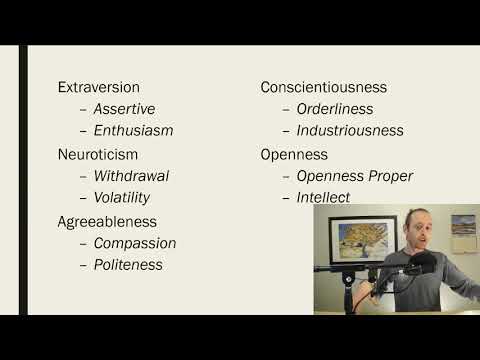
Hey! So, let’s chat about the Big Five Test. You know, that personality test everyone seems to be taking these days? It’s got some serious insights into who you are and why you think the way you do.
Seriously, it’s like pulling back the curtain on your brain. Ever wondered why you react the way you do or why certain things really get under your skin? This test dives deep into those quirks.
Plus, it might help with your mental health too. I mean, knowing yourself better can really change the game, right? So stick around; we’re gonna break down what this all means for you and maybe even have a little fun along the way!
Mastering the Big Five Personality Test: A Comprehensive Guide to Your Results
The Big Five Personality Test is a fascinating way to learn about yourself. You’ve probably heard about it, right? It’s all about five major traits that define how we think, feel, and behave. Essentially, these traits are like your personality’s building blocks. Let me break it down for you.
Openness refers to how open-minded or adventurous you are. If you score high here, you might love trying new foods or exploring different cultures. On the flip side, someone low in openness probably prefers routine and familiarity. Imagine a friend who loves spontaneous road trips versus one who feels anxious even just changing plans for dinner.
Then there’s Conscientiousness, which measures your level of organization and dependability. High scorers tend to be disciplined and good at planning—think of them as the friends who always remember your birthday! Low scorers might struggle with responsibilities and often seem forgetful or easily distracted.
Next up is Extraversion. This trait shows how social and outgoing you are. Extraverts get energized by being around people; they thrive in social settings. If you’re more introverted, though, large gatherings might drain your energy instead of boosting it. Picture a party: one person is mingling everywhere while another enjoys chatting with just a few close friends.
The fourth trait is Agreeableness. High agreeableness means you’re likely empathetic and compassionate—always ready to lend a hand or listen to others’ problems. Those lower on this scale may be more competitive or critical, preferring straightforward honesty over sugarcoating feelings.
And finally, there’s Neuroticism, which deals with emotional stability. People high in neuroticism may experience anxiety or mood swings more frequently, while those low in this trait usually handle stress better and remain calm under pressure—it’s like the difference between somebody panicking over a small mishap versus someone who takes it all in stride.
Understanding where you fall on these scales can be pretty eye-opening! You might realize why you react the way you do in certain situations or why you click (or clash) with specific people in your life.
But don’t forget that there’s no right or wrong score here; it’s all about self-awareness! Knowing your personality profile can help improve relationships and work dynamics. For instance:
If you’ve taken the Big Five test before but felt unsure what to do with those results, simply reflecting on how they relate to daily life can be helpful—seriously! Just keep in mind that personality isn’t set in stone; it can evolve as we grow through different experiences!
So really, mastering the Big Five isn’t just about knowing numbers; it’s about using those insights to shape better life choices and deepen connections with others around you!
Discover Your Personality: The 10-Question Big Five Test Explained
The Big Five personality traits are a fascinating way to understand yourself and others. Think of them as five broad dimensions that define your personality. They’re known as Openness, Conscientiousness, Extraversion, Agreeableness, and Neuroticism—kind of a mouthful, huh? But let’s break it down.
Openness refers to how open you are to new experiences. If you love trying new foods or exploring different cultures, you probably score high in this area. On the flip side, if you prefer routine and familiarity, your score might be lower.
Next up is Conscientiousness. This one’s all about how organized and dependable you are. People who score high tend to be self-disciplined. Think about that friend who always keeps their room tidy and gets things done on time! If you’re more laid-back and spontaneous, well…you might find yourself scoring a bit lower here.
Then there’s Extraversion. This trait measures how outgoing or reserved you are. Do you thrive at parties and love interacting with others? You’d likely fall into the higher end of this scale. But if you’re more of an introvert—preferring quiet nights at home—then your score might tell a different story.
Agreeableness reflects how compassionate and cooperative you are toward others. High scorers tend to be friendly and helpful, while those lower on this scale might be seen as more competitive or critical. It’s like that friend who always remembers your birthday versus someone who’s not so great with social niceties.
Last but not least is Neuroticism. This trait measures emotional stability. If you often feel anxious or moody, your Neuroticism score could be higher. In contrast, if you’re usually calm under pressure and handle stress like a champ, then you’ll likely rate lower here.
So why does all this matter? Well, understanding where you fit within these five traits can actually provide insight into various parts of your life from relationships to work dynamics. For instance:
- Your level of Openness can influence career choices—like whether you’d excel in creative fields or prefer structured environments.
- Conscientiousness plays a big role in goal-setting; higher scores often mean better performance in tasks requiring discipline.
- Extraversion can impact social interactions; it shapes the way we connect with friends or engage at networking events.
- A high Agreeableness may mean someone is a go-to person for support in times of crisis.
- If you’re higher on Neuroticism, knowing that helps in managing stress better by adopting coping strategies.
Okay! Now let’s talk about taking the Big Five Test itself—it’s usually just ten questions long! You answer them based on how much you agree with statements like “I enjoy social gatherings” or “I am easily stressed.” The results give a snapshot of where you stand on each trait.
This isn’t just some fun quiz; it has serious implications for mental health too! Understanding your personality can help identify areas where personal growth is needed or even provide guidance when looking for therapy styles that suit you best.
So there you have it! The Big Five traits offer insight into our personalities that can lead to greater self-awareness and emotional understanding. Feel free to explore them—you might just find out something new about yourself along the way!
Discover Your Personality: Free Big Five Test Insights for Improved Mental Health
Alright, let’s chat about the Big Five personality traits and how they relate to mental health. You know, understanding your personality can be pretty enlightening. It’s like holding up a mirror to yourself, helping you see what makes you tick.
So here’s the deal: the Big Five model breaks down personality into five key traits:
- Openness: This is all about how open you are to new experiences. If you’re high in this trait, you might be imaginative and curious. But if you’re lower in this area, you might prefer routine and familiarity.
- Conscientiousness: Think of this as your level of self-discipline and organization. High conscientiousness often means you’re reliable and goal-oriented. On the flip side, if you’re lower here, you might be more spontaneous, which isn’t necessarily bad!
- Extraversion: Are you more of a social butterfly or a quiet observer? Extraverts tend to be outgoing and energetic while introverts recharge in solitude.
- Agreeableness: This trait reflects how friendly or cooperative you are. If you’re high in this area, you’re often trusting and compassionate. But it can also mean that sometimes people might take advantage of your kindness.
- Neuroticism: This one deals with emotional stability. Those who score higher may experience more anxiety or mood swings. If neuroticism is low for you, congratulations! You probably handle stress pretty well.
Understanding where you land on these scales can really help with your mental health journey. For example, let’s say you score low on agreeableness. That might show up as difficulty forming deep connections with others or even struggling with teamwork at work. Recognizing this can motivate you to work on those relationships.
And here’s something interesting: research shows that certain high traits correlate with better mental health outcomes! For instance, if someone’s high in openness and extraversion, they generally have a more positive outlook on life—and that leads to less anxiety over time.
But it isn’t all cut-and-dry; knowing your personality type can lead to some challenges too! A friend of mine once realized he was super high in neuroticism and tended to overthink everything—like whether he should text someone back immediately or wait it out (which drove him nuts!). Once he understood his tendency toward worry, he started working through strategies like mindfulness which helped him chill out.
The thing is understanding these traits isn’t about putting yourself in a box; it’s about self-awareness! It opens doors for personal growth and leads to healthier relationships because now you’ve got some tools under your belt.
In essence, taking the Big Five test could give valuable insights into how your particular blend of traits affects everyday life—and hey, who doesn’t want better mental health?
You know, the Big Five personality traits are kinda fascinating when you think about them. They break down our personalities into five main traits: openness, conscientiousness, extraversion, agreeableness, and neuroticism. Each of these plays a role in how we see ourselves and how we interact with the world around us.
I remember taking a personality test once. It was one of those days where I was feeling a bit lost in my thoughts. I mean, isn’t it funny how sometimes you can feel all scrambled up inside? Anyway, I took the test mostly out of curiosity—and let me tell you, some of the results were spot on! It was like looking in a mirror. Like when it pointed out that I have high openness—I really do love trying new things and getting lost in creative projects. But it also showed that my neuroticism was a bit high too. That made sense; sometimes I overthink everything!
So why does this matter for mental health? Well, understanding where you fall on this spectrum can be super helpful. For example, if you’re someone with high neuroticism (like me), you might find it’s easier to get anxious or stressed. Recognizing that can prompt you to seek strategies or support to manage those feelings better—like therapy or mindfulness practices.
And let’s not forget about agreeableness. If you’re naturally empathetic and kind-hearted (which is great!), sometimes setting boundaries becomes tricky—leading to feelings of burnout or resentment over time. Knowing your big five profile could help you navigate those tricky waters better.
In short, this test isn’t just some fun quiz; it’s like having a little roadmap for your mind and heart. It helps shine a light on our strengths and areas where we might need to pay more attention to our mental health. So embracing these insights? That could be powerful! You feel me?