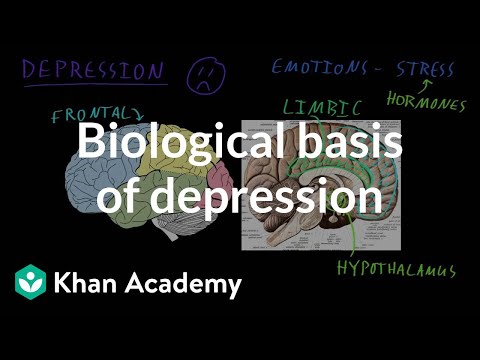
You know how sometimes you just wake up feeling like a cloud is hanging over you? Yeah, that’s depression. It’s not just in your head, though.
So here’s the thing: biology plays a huge role in how we feel. Like, your brain chemistry, genetics, and even hormones can mess with your mood big time.
Ever heard about neurotransmitters? They’re like little messengers in your brain that can sometimes go on strike, leaving you feeling low. It can be super frustrating to deal with!
Let’s take a closer look at these biological factors shaping our emotional landscape. Because understanding this stuff might just help us navigate through those foggy days a bit better.
Understanding the Biological Factors Behind Depression: Key Insights and Insights
Depression isn’t just a bad mood or feeling low for a couple of days. It’s a complex condition that can really mess with your head and body, you know? There are biological factors at play here that can make someone more vulnerable to depression. Let’s break it down.
First off, genetics play a big role. If depression runs in your family, there’s a chance you might experience it too. Studies show that having a close relative with depression increases your risk significantly. Like, if your mom or dad struggled with it, you’re more likely to face similar battles.
Next up is neurotransmitters. These are the brain chemicals that help transmit signals between nerve cells. Think of them as messengers delivering important info throughout the brain and body. Major players like serotonin, dopamine, and norepinephrine have been linked to mood regulation. Low levels of serotonin are often found in people with depression, which is why some medications aim to boost these levels.
- Serotonin: Often dubbed the «feel-good» chemical, it helps regulate mood, anxiety, and happiness.
- Dopamine: Involved in motivation and reward; low levels can lead to feelings of apathy or lack of pleasure.
- Norepinephrine: It’s crucial for response to stress and energy levels; an imbalance can contribute to feelings of fatigue.
Your brain’s structure matters too! Research has shown that certain areas in the brains of people dealing with depression may be different in size or activity compared to those without depression. For example, the prefrontal cortex, responsible for decision-making and emotional control, may not function as well when someone’s depressed.
If that wasn’t enough, hormones can throw things outta whack as well! The body goes through changes during stress or illness that release hormones like cortisol. If there’s too much cortisol floating around because you’re stressed or anxious for long periods, it might trigger depressive symptoms. It’s kind of like being stuck on a never-ending rollercoaster ride!
The gut-brain connection is also something worth mentioning here—ever heard about how what you eat affects your mood? Well, studies suggest that gut health influences mental health too! A healthy gut microbiome produces beneficial substances that affect neurotransmitter production and inflammation levels in the brain. So basically what you eat might impact how you feel!
You see how intricate this all gets? Biological factors intertwine and create an environment where depression can thrive—or be fought against! Understanding these components is key in figuring out different treatment options—like therapy or medication—that might work best for you.
The thing is: while we can’t change our genes or totally control our hormones overnight, being aware of these biological aspects helps us manage our mental health better!
Exploring the Biological Factors Influencing Mental Health: A Comprehensive Guide
Mental health, particularly depression, isn’t just about feelings. There are biological factors at play that can influence how we think and feel every day. Let’s break this down a bit.
Genetics is one major piece of the puzzle. If depression runs in your family, you might have a higher risk yourself. It’s not like there’s a “depression gene,” but some genetic variations can make you more vulnerable to mental health issues.
Now, let’s talk about neurotransmitters. These are brain chemicals that help transmit signals in the brain. Two big players in the game of depression are serotonin and dopamine. Low levels of serotonin can lead to feelings of sadness and anxiety, while dopamine is tied to motivation and pleasure. When these levels are off balance, it can seriously affect your mood.
Then there’s brain structure. Some studies show that people with depression might have differences in certain brain areas compared to those without it. The hippocampus, which is linked to memory and emotion regulation, can actually shrink in people with chronic depression. Isn’t that wild?
Hormones also play a role. Changes in hormone levels—like during puberty, pregnancy or menopause—can trigger or worsen depressive symptoms. This means if your hormones are outta whack, it could take a toll on your mental health too.
Another factor is inflammation. Emerging research suggests that inflammation in the body might contribute to feelings of sadness or hopelessness. When your body is inflamed, it releases substances that can affect how your brain works. Some scientists propose that treating inflammation could actually help improve mood disorders.
And we can’t forget about environmental triggers. Stressful life events—like losing a job or going through a breakup—can set off biological responses in your body that make you feel more depressed if you’re already predisposed.
So yeah, when we think about mental health issues like depression, it’s really a mix of biology and life experiences. Understanding these factors helps us see why someone might struggle with their mental well-being despite their best efforts to feel better.
Incorporating all these elements into treatment means looking at medications—many aim to balance those neurotransmitters—and therapy that explores both feelings and biological underpinnings for a more rounded approach.
Just remember: it’s not just «in your head.» Mental health is connected deeply with our biology too!
Exploring the Biological Factors Linked to Depression: Understanding the Science Behind Mental Health
Depression is one of those things that can feel really heavy, right? You might be surprised to know that it’s not just about what’s going on in your life or how you’re feeling. There are actual biological factors at play. Let’s break this down and explore some of these science-y elements that can contribute to depression.
First off, genetics plays a big role. If you’ve got a family history of depression, the chances that you might experience it too can be higher. It’s like inheriting brown eyes or curly hair; sometimes, your genes have a say in your mental health. Studies suggest that if one parent has depression, the risk for their children is about 20-30%! That’s a significant number.
Then there’s the good ol’ brain chemistry. Your brain is like a complex machine with all these chemicals doing their thing—think neurotransmitters. These are the tiny messengers like serotonin and dopamine that help regulate mood. If these guys aren’t working properly or are out of balance, you might find yourself feeling low or unmotivated.
Now let’s talk about hormones. Hormonal changes can hit you hard during certain life stages, like after childbirth or during menopause. Ladies often experience shifts in mood when hormones fluctuate—a classic example is postpartum depression, where new moms might find themselves feeling overwhelmed due to hormonal changes alongside new responsibilities.
Another factor? Inflammation. Yep, you heard me right! Research has shown that increased levels of inflammation in the body could be linked to depression. It’s kinda wild when you think about it; chronic inflammation from conditions like autoimmune disorders could lead to feelings of sadness or fatigue.
And let’s not forget brain structure. Some studies suggest certain areas in the brain, like the prefrontal cortex and amygdala, might be different in people battling depression compared to those without it. Changes here can affect how emotions are processed and can lead to negative thoughts spiraling out of control.
Ultimately, while emotional experiences and life events obviously impact depression, it’s crucial to see the larger picture too—biological factors sit right at its core. The thing is: understanding these biological influences can help demystify depression and open doors for better approaches to treatment.
So yeah, when we look at mental health through a biological lens, we start piecing together how intertwined our bodies and minds really are! It makes it clearer why seeking help isn’t just about talking—it may involve medical evaluations too!
You know, when you think about depression, it can feel like such a heavy and complex topic. It’s not just about feeling sad or down; it’s this whole mix of factors. And one big piece of that puzzle is biology. Yeah, seriously!
So, imagine for a second that you’re just going through life like normal, and then suddenly, bam—you hit this emotional wall. You might be wondering why you feel so low when everything looks fine from the outside. That’s where those biological factors come in. It’s not just “get over it.” I mean, if only it were that simple, right?
Take hormones for instance. They can totally wreak havoc on your mood. Some people might find their depression gets way worse during certain times of the month or after having a baby—postpartum depression is real! Hormonal changes can mess with your brain’s chemistry in ways that we’re still trying to fully understand.
And then there’s genetics too—like if you have a family history of depression, chances are higher you’ll wrestle with it too. It’s kind of like being dealt a hand of cards at poker; some folks get unlucky and end up with cards that might lead them to struggle more than others.
I remember my friend Alex who always seemed upbeat until one day he just couldn’t shake this deep sadness. Turns out his dad struggled with depression too. After chatting and doing some research together, he discovered that his brain was wired a bit differently—less serotonin flowing around than some people. It was eye-opening for both of us because we thought feelings were purely emotional and not something physical happening in the brain.
Then there’s the whole idea of inflammation in the body being linked to mood issues too—crazy, huh? Studies suggest that chronic inflammation can influence how your brain functions, which can play into feelings of gloominess or anxiety.
But here’s the thing: while biology is significant, it’s also essential to remember that mental health isn’t just about what’s happening in our bodies—it’s shaped by our environment and experiences too! So yes, those biological factors are huge players in the game of depression but they’re part of a bigger story involving relationships, situations, and personal struggles.
In short—it’s messy! Life’s tough enough without feeling weighed down by something you can’t quite put your finger on. But knowing all these biological influences at least helps to understand why you might feel a certain way sometimes and reminds us we’re not alone in this journey through ups and downs.