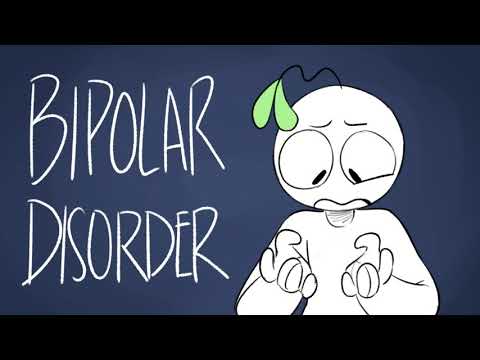
Hey, so let’s chat about Bipolar II Disorder. You might’ve heard of it, or maybe you haven’t. It’s kinda a big deal in the mental health world.
Picture this: you’re feeling great one minute, like on top of the world, and then suddenly, it’s like someone flipped a switch. You’re down and everything feels heavy. It’s wild, right?
This rollercoaster vibe can be confusing, not just for you but also for those around you. And that’s where the DSM-5 comes in. It’s basically a handbook that helps folks understand these ups and downs better.
So, if you’re curious about what that means for living life with Bipolar II or how it’s classified, stick around! There’s more to this than meets the eye.
“Understanding DSM-5 Bipolar 2 Disorder Criteria: Download the Comprehensive PDF Guide”
Bipolar II Disorder is one of those mental health conditions that can really throw a wrench in your life. It’s not just about feeling up and down; it’s a bit more complex than that. So, let’s break it down.
First off, Bipolar II Disorder is classified in the DSM-5, which stands for the Diagnostic and Statistical Manual of Mental Disorders, Fifth Edition. This guide is used by mental health professionals to diagnose and categorize various mental health issues. For Bipolar II, there are specific criteria they look for.
To meet the criteria for Bipolar II Disorder, you need to have experienced at least one major depressive episode and at least one hypomanic episode.
- Major Depressive Episode: This involves feeling really low, like you can’t get out of bed. Symptoms may include feelings of worthlessness or excessive guilt, fatigue, changes in appetite or sleep patterns, and maybe even thoughts of death or suicide.
- Hypomanic Episode: Now this isn’t as intense as a full-blown manic episode (like you see in Bipolar I). It might look like elevated mood or increased energy lasting for at least four consecutive days. You might feel super creative or have racing thoughts—kind of like being on a caffeine buzz but without the crash.
Another important thing to note is that these episodes must represent a noticeable change from your usual behavior. And they shouldn’t be caused by other medical conditions or substances.
For example, let’s say you’re usually quiet and reserved but suddenly you’re socializing non-stop and can’t stop talking about your big ideas for three days straight—this could signal hypomania.
Then there’s the duration of these episodes. The hypomanic episodes need to last at least four days, while major depressive episodes usually hang around for at least two weeks.
Also crucial? The mood changes can’t be attributed to another medical condition or substance abuse. If you’re battling addiction or something physical is causing these swings, it wouldn’t fit into this classification.
But don’t forget—the impact on daily life matters too! These mood swings should cause noticeable problems in work, relationships, or other areas that really tug on your daily existence.
So here’s why understanding these criteria is vital: it helps get clarity on what’s going on inside your head when you’re feeling all over the place. Therapy often focuses on managing these symptoms through talk therapy or medication suited to help balance things out.
If you want to dive deeper into all this stuff—and trust me it can be helpful—a comprehensive PDF guide could give you more details about each criterion mentioned above! But remember: only a qualified professional can give you an accurate diagnosis based on all these factors we just talked about.
In sum, Bipolar II Disorder has specific criteria according to the DSM-5 that help professionals understand what someone experiencing it goes through. With knowledge comes power—and understanding can make a huge difference in how we handle our mental health journeys!
Downloadable DSM-5 Criteria PDF for Diagnosing Bipolar Disorder: A Comprehensive Guide
Bipolar disorder can be a bit of a puzzle, and the DSM-5, which stands for the Diagnostic and Statistical Manual of Mental Disorders, is like the cheat sheet for mental health professionals. So, when you’re looking for a downloadable PDF with those criteria, it’s kind of like searching for the right map to navigate this condition.
When we talk about **Bipolar II Disorder**, it’s super important to know what sets it apart from other types of bipolar disorders. Basically, this type includes episodes of depression and at least one hypomanic episode. Hypomania is not as intense as full-blown mania, but it still gives you that little extra pep in your step.
Here’s a quick rundown on what’s in that DSM-5:
- Major Depressive Episodes: You’ve got to have at least one. Think feeling hopeless or losing interest in things you usually love.
- Hypomanic Episodes: These happen too, but they’re less severe than manic episodes. You might feel unusually happy, energetic, or even irritable.
- Duration: The hypomanic episode must last at least four consecutive days.
- Impact on Life: The symptoms have to cause noticeable distress or impair your ability to function normally.
So why does all this matter? Well, identifying Bipolar II accurately is crucial because treatment approaches vary widely. A friend of mine was diagnosed years ago—she felt on top of the world during her hypomanic phases but crashed hard into depression later. It took some time before she found the right support and treatment plan that worked for her.
While you can find **downloadable DSM-5 criteria PDFs** online, remember these are mainly tools for professionals. You might wonder if you have bipolar disorder yourself; and while having access to that info can be useful, it’s really important to reach out to a mental health professional who can make an accurate diagnosis.
In short, **Bipolar II Disorder** can be challenging but knowing its framework helps both therapists and those affected by it understand what’s happening inside their minds. Whether you’re looking at those DSM-5 criteria or just trying to figure things out on your own, being informed makes a difference!
Understanding the Differences Between DSM-5 Bipolar I and Bipolar II Disorders: Symptoms, Diagnosis, and Treatment
Bipolar disorder can be a bit tricky to understand, you know? There are two main types: **Bipolar I** and **Bipolar II**. Both involve mood swings, but they’re different in how those swings play out. Let’s break it down.
Bipolar I Disorder is characterized by at least one manic episode. Manic episodes are like these intense highs where you feel invincible and full of energy. You might talk super fast and have racing thoughts. Sometimes, people might end up engaging in risky behaviors during a manic episode, which can lead to serious consequences.
Now, Bipolar II Disorder is a bit different. Instead of full-blown mania, it involves hypomanic episodes. These are similar but less intense than manic episodes—think of them as like the «lite» version. You still feel that boost in energy and creativity but without the extreme highs or risky behaviors that come with Bipolar I.
Next up, let’s look at the symptoms:
- Manic Episodes (Bipolar I): Increased energy, euphoria, irritability, decreased need for sleep.
- Hypomanic Episodes (Bipolar II): Elevated mood & increased activity for at least four days; no severe impairment.
- Depressive Episodes: Common in both types; feelings of sadness or hopelessness persist for two weeks or more.
Diagnosing these disorders can be tricky sometimes. Mental health professionals usually rely on criteria from the DSM-5—the big bible of mental health diagnoses—to make their calls. For Bipolar I, the presence of a manic episode is enough to nail down the diagnosis. But with Bipolar II, you need at least one hypomanic episode alongside major depressive episodes.
So what about treatment? Well, both disorders typically involve a mix of medication and therapy.
- Mood Stabilizers: Often prescribed to help manage mood swings.
- Atypical Antipsychotics: Can be used to address acute manic symptoms.
- Psychoeducation: Important for understanding your condition and managing it effectively.
- Cognitive Behavioral Therapy (CBT): Helps change negative thought patterns.
Let me share this quick story: A friend of mine had been diagnosed with Bipolar II after struggling for years with periods of depression followed by these bursts of creativity and high energy. It took some time—and therapy—but learning about her diagnosis helped her understand why she felt what she felt and how to navigate her moods better.
In summary, recognizing the differences between Bipolar I and Bipolar II can make such a huge difference when it comes to treatment and support. It’s all about identifying those unique signs so that you or someone you care about can get the right help!
Bipolar II Disorder can feel like you’re riding this really intense roller coaster. You know, the kind that has those super high climbs and then really wild drops? For folks with this condition, those ups and downs are part of everyday life. So, what’s the deal with it being classified in the DSM-5? Well, let’s break it down a bit.
Now, DSM-5 is the Diagnostic and Statistical Manual of Mental Disorders. Seriously, it sounds way more intimidating than it is. It’s just this big book that helps doctors figure out what kind of mental health issues someone might be dealing with. For Bipolar II Disorder, it focuses on those cycles of mood changes but in a specific way.
You’ve got your depressive episodes—which can be pretty heavy—and then there are hypomanic episodes. Those are like these elevated moods that don’t go all the way up to full-blown mania, which is part of Bipolar I disorder. Just imagine feeling really productive and energized one moment—cleaning your whole house or writing a novel—and then crashing down to feeling hopeless or exhausted not too long after. It’s tough.
I remember my friend Sarah who went through something similar. One minute she’d be bursting with ideas for her art projects, staying up all night just creating and laughing at everything. Then she’d hit a wall so hard that even getting out of bed seemed like climbing Everest! It was confusing for her and even tougher for people around her to understand what was happening.
In terms of treatment, knowing how it fits in the DSM-5 really matters because it helps therapists find strategies that work best for individuals struggling with these mood swings. They might use medications or therapy options like cognitive behavioral therapy (CBT) to help manage the symptoms better.
So yeah, Bipolar II is more than just mood swings; it’s about understanding those highs and lows within a framework that helps both patients and professionals make sense of them. When you look at it this way, you start realizing how important support systems are—having friends or family who get what you’re going through can make such a huge difference on this emotional journey!