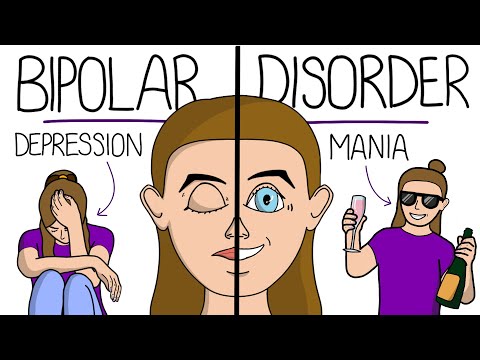
Alright, so let’s chat about something that’s a bit tricky but super important: bipolar 3.
You might’ve heard the term before, or maybe it’s totally new to you. Either way, no stress!
It’s all about those ups and downs that can feel like riding a roller coaster—sometimes exhilarating, sometimes terrifying.
And recognizing the symptoms? That’s key for getting the right help.
You know how sometimes you just want to understand what someone is going through? Well, that’s what this is about.
Let’s break it down together and see what you need to look out for. Sound good?
Understanding the Three Key Symptoms of Bipolar Disorder: A Comprehensive Guide
Bipolar disorder isn’t just about having ups and downs, you know? It’s way more complex than that. At its core, it’s a mental health condition that involves extreme mood swings, and understanding these can be pretty crucial for anyone affected by it—whether it’s yourself or someone you care about. So let’s break down the three key symptoms of bipolar disorder.
1. Manic Episodes
When someone is experiencing a manic episode, they might feel an overwhelming sense of euphoria or energy. You could think they’re on top of the world! They may talk really fast, not sleep much, and make decisions that seem out of character. For instance, imagine a friend who suddenly decides to throw a huge party without thinking about the costs or consequences. That rush can feel incredible at first but can quickly lead to trouble.
2. Depressive Episodes
On the flip side, depressive episodes hit hard and can feel like being stuck in a deep pit with no way out. This isn’t just feeling sad; it’s feeling hopeless and like nothing will ever get better. Things that once brought joy—like hanging out with friends or pursuing hobbies—might seem completely pointless. Maybe you’ve seen someone withdraw from all their favorite activities during this time. It’s tough to watch.
3. Hypomanic Episodes
Hypomania is kind of like a milder version of mania but still feels elevated compared to normal moods. A person might be more productive and feel like they can conquer anything! However, even though it doesn’t reach the extremes of full-blown mania, it can still cause some issues in daily life—like making rash decisions or not realizing when to slow down.
Recognizing these symptoms is key in mental health care because timely intervention can make all the difference in managing bipolar disorder effectively. You see, the thing is that understanding bipolar symptoms helps people get proper support—whether through therapy or medication.
Sometimes people might not even realize they’re going through these phases until someone points them out or until things spiral out of control. That’s why it’s super important for friends and family to stay aware and supportive without judgment.
So yeah, if you notice these patterns in yourself or someone else—it could really help to talk about it with a mental health professional who gets this stuff. Early recognition leads to better management strategies which could significantly improve quality of life over time!
Understanding the Mind: Inside the Thought Process of a Person with Bipolar Disorder
Understanding how the mind of a person with bipolar disorder works can be a bit like trying to read a really complex novel. You get some really intense, crazy chapters, followed by quiet, reflective ones. It’s a wild ride, that’s for sure! So, let’s break it down together.
Bipolar disorder is generally characterized by extreme mood swings that include emotional highs (mania or hypomania) and lows (depression). To get into the thought process of someone dealing with this, you gotta know that their minds are always in motion.
When someone is in a manic state, their thoughts can race faster than a speeding train. They might feel invincible or have all these amazing ideas and plans.
This period can lead to impulsive behavior, like spending lots of money or jumping into risky situations without thinking twice. It’s like having the volume turned all the way up on life! Imagine your friend who gets super hyped after a few cups of coffee and suddenly decides they’re going to run a marathon—without any training!
Then you hit the other end of the spectrum—depression. During this phase, everything can feel heavy and dark. A person might find themselves stuck in bed for days on end, struggling to find motivation for even basic tasks. That’s when negative thoughts set in: “I’m not good enough,” or “This will never get better.” It can be really tough because they may genuinely believe these thoughts.
One major thing to grasp here is that bipolar disorder isn’t just about those mood swings; it also affects how someone perceives reality at different times. When feeling manic, they might see things very optimistically—even seeing flaws in their relationships as minor bumps along the road rather than serious concerns.
During depressive episodes, however, that perspective turns dark fast. It’s like wearing sunglasses at night—you can’t see clearly, and everything looks bleak.
Another layer to consider is that people with bipolar disorder often experience periods of stability between these mood swings. During these times, they can feel almost “normal,” but there’s always that underlying fear: “What if it comes back?” This uncertainty can lead to anxiety about social situations or responsibilities.
Recognizing symptoms is crucial in mental health care settings too because people may not always present what you’d expect right away:
- Manic Symptoms: Elevated mood, increased energy levels.
- Depressive Symptoms: Withdrawal from activities once enjoyed.
- Mixed Episodes: Experiencing symptoms from both ends simultaneously.
For example, someone could feel agitated and restless while also feeling hopeless—difficult to navigate for both them and their loved ones.
And here’s something interesting: many folks living with bipolar disorder become great at recognizing their own patterns over time! They could pinpoint when they’re starting to spiral up or down based on changes in their thought process and behavior.
So basically? Understanding bipolar disorder requires recognizing that it’s not just about feeling happy or sad; it’s an intricate dance between extremes that affects how one thinks and reacts to life daily. It’s complex but totally worth understanding—it helps create empathy and support for those dealing with it!
Understanding Bipolar Disorder Symptoms in Women: A Comprehensive Guide
Bipolar disorder can be quite a rollercoaster. Seriously, it’s like your mood is on a wild ride that goes from the highest highs to the lowest lows. For women, recognizing these symptoms can sometimes get tricky, but understanding them is super important for better mental health care.
The symptoms of bipolar disorder often split into two main episodes: manic and depressive. Each has its own personality, so let’s break it down.
- Manic Episodes: This is when you feel like you’re on top of the world—or at least you think you are! You might have tons of energy, feel really creative, and even think you can take on anything. But here’s the kicker: during this phase, your judgment can go out the window. You could spend way too much money or make impulsive decisions that don’t really make sense.
- Hypomanic Episodes: Imagine being mildly manic but not as intense. This is easier to miss sometimes. You’re still feeling good; maybe you’re more social or productive than usual, but it’s not as extreme as mania. It can feel fun at first! However, when it escalates into mania? That’s when things get real.
- Depressive Episodes: Now we shift gears completely! When you’re in a depressive episode, everything feels heavy. Energy? Gone. Motivation? Where’d it go? You might have trouble sleeping or find yourself sleeping way too much instead. Sometimes feeling hopeless or worthless creeps in too; it’s brutal.
So here’s where it gets a little more complex with women specifically. Women may experience different symptoms than men due to hormonal changes—think menstruation, pregnancy, and menopause—all of which can shake things up emotionally.
During menstruation or pregnancy, some women notice their moods spiral more than usual, or they become more sensitive to stressors around them. It’s like adding fuel to an already simmering pot! A friend of mine once told me how she could feel herself changing with her cycle—it was both fascinating and alarming.
But that’s not all! Women are also more likely to experience rapid cycling—a term for experiencing four or more mood episodes within a year—and this can make diagnosis challenging since symptoms might overlap with other conditions like depression or anxiety.
Getting diagnosed often involves working closely with a therapist who understands this complexity and intricacies tied specifically to women’s experiences with bipolar disorder.
If you think something’s off—like those feelings seem extreme and unmanageable—talking to someone might be your best bet. It could turn out that what you’re feeling isn’t just “normal” ups and downs.
Also remember that support systems matter big time when navigating bipolar disorder symptoms. Leaning on friends or support groups can provide relief and perspective during those crazy times!
Understanding bipolar disorder really comes down to listening to your own emotions and recognizing patterns over time—even if it feels impossible some days. What matters most is reaching out for help when you need it because balancing these ups and downs doesn’t have to be tackled alone!
So, let’s chat about bipolar disorder, specifically bipolar type 3. I mean, it’s not as well-known as the other types like Bipolar I or II, but it’s still super important to recognize those symptoms. Basically, bipolar type 3 is often linked to mood episodes triggered by antidepressants, which can be tricky in mental health care.
You know how sometimes people might start feeling on top of the world after taking medication? But with bipolar type 3, that high can turn into something way more intense than a regular mood swing. It’s that classic manic episode you hear about but can be less obvious because it comes after taking an antidepressant.
I remember a friend of mine who was really struggling with depression and found some relief after starting an SSRI—super common. At first, it felt like she had emerged from this dark cloud; she was more energetic and social. Honestly, we all cheered! But then things took a turn. She got really restless and impulsive; it felt like she’d been shot out of a cannon! That excitement turned into irritability and racing thoughts that were hard for her to manage.
What’s wild is many folks don’t even realize this might be bipolar type 3 until they look back at what’s happened when they were on those meds. And that makes diagnosing it tough for mental health professionals too since the symptoms can overlap with depression or anxiety—like really muddy waters.
In therapy settings or during medication reviews, recognizing those signs becomes so crucial. If someone shows those extreme mood shifts after starting antidepressants, well, keeping an open dialogue with your therapist or doctor is vital. You gotta talk about what you’re experiencing!
And here’s the kicker: if not identified correctly, patients risk going through rollercoaster moods without any solid support system in place. It can feel isolating and confusing if you’re riding the highs and lows without understanding why.
So yeah, awareness around bipolar type 3 symptoms in mental health care isn’t just about labeling; it’s more like creating pathways for better understanding and support for people going through these experiences. It’s all connected—our feelings deserve attention because they shape how we live day by day!