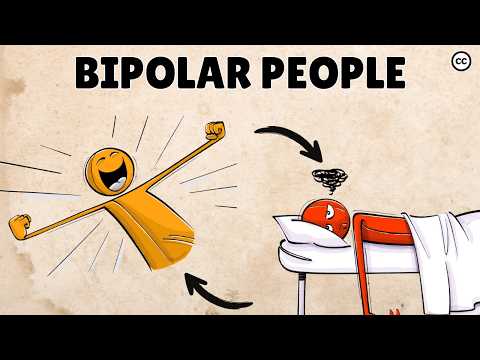
Alright, so let’s talk about bipolar disorder type 1. It’s like, this emotional rollercoaster that can really throw you for a loop. One minute, you’re on top of the world, feeling invincible, and the next? You’re in a pit of despair.
It’s wild how quickly things can change. Seriously, it can feel like you’re riding a wave— up and down, whoosh! And it’s not just you; it affects friends and family too.
You might know someone with it or maybe you’re just curious. Either way, understanding this condition is super important. So grab a snack or something comfy to sit on while we unpack what this journey looks like!
Understanding the Life Expectancy of Individuals with Bipolar 1 Disorder: Key Insights and Considerations
Understanding the life expectancy of individuals with Bipolar 1 Disorder is a complex but important topic. It’s like peeling back layers to see what affects overall health and longevity. You’re dealing with a condition that goes beyond mood swings; it can impact almost every aspect of life, from relationships to physical health.
When we talk about Bipolar 1 Disorder, we’re usually looking at those extreme highs (mania) and lows (depression). But the thing is, it’s not just about emotions. It’s also related to several factors that can influence the lifespan of someone living with this disorder.
First off, individuals with Bipolar 1 have a higher risk of certain medical conditions. For example:
- Cardiovascular disease
- Diabetes
- Obesity
- Substance use disorders
Each of these issues can significantly shorten life expectancy. Picture a friend who struggles with their weight and decides to cope through alcohol. Those choices increase health risks, right?
Another big factor is treatment adherence. Some people might skip their medications during manic episodes because they feel invincible or just don’t want to feel “numb.” But here’s the kicker—staying on medication is crucial for stability! Missing doses can lead to relapses, which complicates everything down the line.
Mental health plays an enormous role too. High levels of stress and ongoing challenges in daily life can lead to worse outcomes. Imagine juggling a chaotic job or strained relationships while trying to manage your feelings—that’s no small feat.
Let’s also talk about suicide risk, which is notably higher among those with bipolar disorder compared to the general population. It’s heartbreaking when you realize how many lives are cut short by these feelings of despair or hopelessness.
So, what does all this mean? Basically, life expectancy for someone with Bipolar 1 Disorder tends to be shorter than average—by about 10 to 20 years in some studies! This isn’t because bipolar itself directly causes death; it’s more like being on a rocky path where some stones are sharp and unsafe.
There are ways to improve outcomes, like seeking therapy regularly or joining support groups. Those connections can make a world of difference! Think about how empowering it feels just to share experiences and strategies; that sense of community can really boost mental and emotional well-being.
So yeah, understanding how bipolar disorder interacts with other aspects of life gives us a clearer picture of why individuals face unique challenges in terms of longevity. It’s all intertwined—mental health affects physical health, treatment choices shape long-term outcomes, and community support fosters resilience in various forms.
If you or someone you know is navigating this journey, remember: it’s not just about living longer but living better! Taking small proactive steps today could lead to brighter tomorrows… and that counts for a lot!
Understanding Emotional Rollercoasters: Disorders That Cause Wild Mood Swings
So, let’s talk about those emotional rollercoasters. You know how one minute you can be on top of the world and the next, you’re feeling like you’re in a deep pit? That’s pretty much what it’s like living with Bipolar Disorder Type 1. If you or someone close to you experiences these wild mood swings, it can feel exhausting and confusing.
First off, let’s break down what Bipolar Disorder Type 1 really is. Basically, it involves extreme mood changes that swing from manic highs to depressive lows. The manic phase is like riding a super fast rollercoaster without any brakes—everything is thrilling and over-the-top. You might feel invincible, have tons of energy, or even believe you can take on the world. Seriously!
But then, just as quickly, you crash into the depths of despair during the depressive phase. You might feel hopeless, lethargic, and unable to find joy in anything. It’s like being stuck on a ride that won’t stop at the right moment; it’s really tough.
Many people experience specific symptoms during these phases:
- In manic phases: Increased energy, reduced need for sleep, racing thoughts.
- In depressive phases: Lack of motivation, feelings of worthlessness, difficulty concentrating.
Imagine Sarah—a bright young woman who runs her own business. When she’s in her manic phase, she gets an idea for a new project every day and practically hops out of bed at dawn ready to tackle them all. Her friends are amazed by her drive but notice she sometimes skips meals and doesn’t sleep much.
Then there are days when Sarah has trouble getting out of bed at all. Emails pile up unanswered because she can’t muster the energy or focus to deal with them. The stark contrast between those times makes it especially hard for her—and anyone around her—to understand what’s happening.
It’s not just about feeling moody; there’s real science behind these swings too! Neurotransmitters in your brain—those little chemical messengers—can get all jumbled up during these episodes which affects how you think and feel. Plus there might be genetic factors involved; if family members have similar struggles with mood swings often that’s a clue something’s going on.
Many folks with Bipolar Disorder Type 1 benefit from therapy or medications (like mood stabilizers) to help balance things out a bit more. Therapy can provide tools for managing symptoms while medications create that smoother ride on this emotional rollercoaster.
But remember—you’re not alone in this! People living with Bipolar Disorder often find support from friends who «get it,» support groups where they share experiences without judgment or professional guidance offering coping strategies tailored just for them.
So yeah! If you’re experiencing unpredictable shifts in your mood or know someone who is—it helps to reach out for support rather than trying to ride this emotional rollercoaster solo! There are paths through the ups and downs—it’s about finding what works best for each person along their journey.
Mastering Emotional Regulation: Effective Strategies for Managing Bipolar Disorder
Bipolar disorder, especially Type 1, can feel like an emotional rollercoaster. One minute you’re soaring high during a manic episode, and the next, you plunge into deep despair. Mastering emotional regulation is key to managing these ups and downs. And trust me, it’s doable! Here are some effective strategies.
First off, mindfulness practices can work wonders. Mindfulness is all about being present in the moment—observing your thoughts and feelings without judgment. You might be surprised how just sitting quietly and focusing on your breath can help ground you when emotions start to spiral out of control. Like, I remember my friend Joe dealt with this by taking ten minutes a day to meditate. He found that just tuning into his breathing helped him notice when he was getting too wired or too low.
Another great strategy is keeping a mood journal. Seriously, writing down how you feel each day can help you spot patterns in your emotional state. It’s like giving yourself a map through the chaos! You’ll start to see what triggers those manic highs or deep lows—this knowledge is power! When Joe did this, he realized that certain stressors at work often pushed him towards mania. Once he knew that, he could plan his days better.
Also important? Routine! Establishing a daily schedule helps bring stability when everything feels unpredictable. Regular sleep patterns are especially crucial for people with bipolar disorder. Lack of sleep can trigger episodes, so try to go to bed and wake up around the same time every day. I once knew someone who set reminders on her phone—a simple nudge helped her stick to her routine.
And let’s talk about socio-emotional support. Surround yourself with people who get it—friends or family who know what you’re dealing with are invaluable. Support groups can also provide an outlet for sharing experiences without fear of judgment. That connection means a lot when you’re feeling isolated.
Don’t underestimate crisis plans. Having a plan in place for when things get rocky is super helpful. This could include contacting someone you trust or having coping strategies ready at hand—like listening to music that calms you down or going for a walk outside.
Lastly, sometimes medication can play a part in managing bipolar disorder effectively—but it’s not everything! If you’re considering this route, working closely with a healthcare provider is essential because they can really tailor treatment to fit your specific needs.
Emotional regulation might sound like some fancy term but think of it as learning how to ride those waves instead of being tossed around by them. It takes practice and patience—but hey, you’re definitely not alone in this!
Bipolar Disorder Type 1 can feel like a wild emotional rollercoaster, and navigating it is no small feat. Imagine waking up one morning, feeling like you could conquer the world — that’s the manic side talking. You’ve got energy to spare, ideas flying at you like confetti. But then, just as suddenly, you’re plunged into a deep pit of despair where getting out of bed feels like climbing Mount Everest. It’s intense.
I once had a friend who struggled with this condition. I remember how he’d light up a room during his highs, laughing loudly and planning epic adventures that made life seem exciting and vibrant. But during those lows? Well, let’s just say it was hard to reach him; he’d shut down completely. The contrast was striking — one minute he was electric and the next he felt like an empty battery.
What makes Bipolar Disorder Type 1 particularly tricky is that those manic phases can be exhilarating yet also lead to risky behaviors or decisions you might not even think twice about when you’re stable. Maybe you’re impulsively spending money or making promises you don’t intend to keep. And then when reality hits during those depressive episodes, it’s tough not to feel overwhelmed by what you’ve done or said.
You know, what often gets overlooked is how much support matters in this journey. My friend found therapy helpful in understanding his moods better and developing coping strategies; it was like having a map when everything seemed fuzzy and chaotic. Medication can also play its role in balancing things out but finding the right combo takes time — kind of like trying on shoes until you find the perfect fit.
The emotional shifts are part of your life if you have bipolar disorder but they don’t define who you are as a person. With guidance and support from loved ones (and professionals), it becomes possible to manage these ups and downs more effectively. Like any ride, there will be bumps along the way, but navigating it with understanding makes all the difference in keeping your feet on solid ground — or at least giving it your best shot!