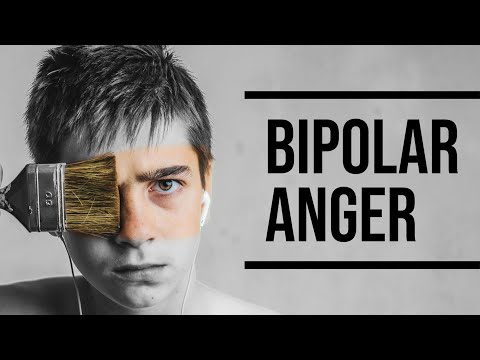
Hey! So, let’s talk about something that can pop up in life—bipolar disorder. It’s like riding a rollercoaster, right? One minute you’re flying high, and the next, well, you hit some serious lows.
But here’s the thing: along with that emotional ride comes anger. And it can be confusing as heck! You might feel like you’re losing control sometimes or experiencing this whirlwind of rage that just bursts out of nowhere.
If you’ve been there—or you know someone who is—you know how wild and messy it can feel. Honestly, figuring out how to handle those intense emotions is no small feat. What’s going on in your head when this happens?
We’ll dig into that emotional turmoil and chat about ways to navigate it all without losing your mind. Sound good? Let’s dive deeper together!
Effective Strategies for Supporting a Loved One with Bipolar Disorder During Angry Episodes
Supporting a loved one with bipolar disorder, especially during those intense angry episodes, can feel super overwhelming. You might feel like you’re walking on eggshells, unsure of what to do or say. But don’t worry; there are effective ways to help them through these tough moments.
First off, it’s crucial to **understand the triggers**. Anger in bipolar disorder often arises not just from the situation at hand but can be linked to deeper feelings of frustration or helplessness. Try to pay attention to patterns—you know, like what situations tend to lead up to these episodes. This insight can be really valuable.
Another key strategy is **staying calm yourself**. This one can be tough, right? When someone close to you is angry, it’s easy to get defensive or even anxious yourself. But maintaining a cool head helps create a more stable environment for your loved one. Think of it this way: your calmness acts as an anchor amidst their stormy seas.
You should also know when it’s best to **give them space**. Sometimes, just stepping back is the most supportive thing you can do. If they’re in the heat of anger and need some time alone, respect that boundary. Letting them know that you’re there when they’re ready—without pushing—can actually be a huge comfort.
But don’t just disappear into thin air! It’s important to also offer **reassurance and support** when they’re ready to talk again. You could say something like “I’m here for you whenever you want to share.” It lets them know they’re not alone while also giving them control over the conversation.
Communication is everything here! So try using **“I” statements**, which focus on your feelings rather than blaming or criticizing them for their anger. You could say “I feel worried when things get heated,” instead of “You always get so angry.” This keeps the focus on your emotions and reduces defensiveness.
Don’t hesitate to suggest **healthy coping strategies**, too! When they’re in a calmer place, chat with them about ways they can express anger constructively—like through journaling or physical activity. Remind them (and maybe yourself) that it’s totally okay to feel angry; it’s all about how you channel that energy.
Lastly, if their anger escalates beyond what feels manageable at home—like becoming aggressive or threatening—it might be time for professional help. Encourage your loved one to reach out to their therapist or counselor when needed because sometimes outside support is crucial during these really tough times.
Supporting someone with bipolar disorder requires patience—and real love—but knowing these strategies can make a big difference for both of you as you navigate those rocky moments together!
Understanding Bipolar Disorder: Does It Worsen With Age?
Bipolar disorder can feel like a wild ride, going from high-energy highs to low-energy lows in a matter of days—or even hours. One question that often comes up is whether this condition worsens with age. Well, the thing is, it can be pretty different for everyone.
Let’s break it down a bit. Bipolar disorder itself doesn’t necessarily get worse as you age, but your experience might change. Some people find that their mood swings become less intense over time. Others might struggle more as their lives become more complicated—like dealing with job stress or family pressures.
In terms of anger, which is often tied to these mood shifts, many folks with bipolar disorder can feel overwhelmed or irritable during manic or depressive phases. It’s kind of like being on an emotional rollercoaster. If you’re feeling super high, you might have bursts of anger if things don’t go your way. On the flip side, during depressive episodes, anger could come out as frustration or sadness instead.
Here are some factors that could influence how bipolar disorder behaves over the years:
- Life Changes: Major events like job changes or relationship issues can really shake things up.
- Physical Health: As we age, other health problems might crop up and make managing bipolar symptoms tougher.
- Treatment Access: Finding the right therapy and medication may be more challenging at different life stages.
- Support Systems: Friends and family networks can change over the years; having solid support makes a big difference.
Now let me tell you about someone I know—a friend who was diagnosed with bipolar disorder in her twenties. At first, she faced some serious ups and downs, like bouncing off the walls when manic but feeling completely drained during depressive spells. As she hit her forties, she found that while she still had mood swings now and then, they weren’t quite as extreme as before.
It wasn’t just luck; she made sure to stay on top of her therapy sessions and medication management. Plus, she built a supportive circle of friends who really understood her journey. That kind of support made it easier for her to handle those intense feelings when they came roaring back.
So basically? While bipolar disorder doesn’t have to worsen with age for everyone, it’s essential to keep an eye on how life changes affect your symptoms. And just remember: if you’re struggling with the emotional turmoil linked to anger or mood shifts, reaching out for help is always a good move!
Effective Strategies to Break the Cycle of Bipolar Spirals and Enhance Mental Well-Being
When you’re living with bipolar disorder, managing those emotional spirals can feel like a never-ending rollercoaster. Seriously, one minute you’re on top of the world and the next, bam—you hit rock bottom. The key is to develop some strategies that can help break that cycle and enhance your mental well-being.
Recognizing Your Triggers is step one. You know yourself best, so take some time to think about what situations or feelings tend to kick off those mood swings. Is it stress at work? A tough relationship? Once you pinpoint these triggers, you can start planning how to manage them when they pop up.
Another solid strategy is keeping a Mood Journal. Writing down your feelings daily can be super helpful. It doesn’t have to be fancy; just jot down how you feel and what’s happening around you. This helps track patterns over time and gives you insight into what might be causing those intense emotions.
Routine is Your Friend. Establishing a daily routine can create a sense of normalcy in your life. Think about things like setting regular meal times, sleep schedules, or even workouts—having structure helps ground you when everything feels chaotic.
- Mindfulness Practices: Try incorporating mindfulness or meditation into your day. This isn’t just for hippies; seriously, it helps calm that racing mind.
- Regular Exercise: Getting active can boost your mood naturally through endorphins—those little feel-good hormones. Even just a walk can make a difference!
Connecting with others goes a long way too. Reach Out for Support. Whether it’s family, friends, or support groups, sharing what you’re going through takes the weight off your shoulders. You don’t have to battle this alone!
Don’t underestimate Therapy. Working with a therapist who understands bipolar disorder can provide tools tailored specifically for you. Cognitive Behavioral Therapy (CBT), for example, helps shift negative thought patterns into something more positive and productive.
And let’s talk about medication—but only briefly! Medications like mood stabilizers or antipsychotics may play an important role in stabilizing your moods when things get rough. Just remember to keep up that convo with your doctor about what’s working and what’s not.
Sometimes anger surfaces during these emotional spirals too. It’s crucial to learn healthy ways to express that anger without letting it take control of you—think constructive outlets like exercise or art instead of lashing out at loved ones.
Through all of this, remember that it’s okay not to be okay sometimes! What matters is recognizing where you’re at today and making small changes toward feeling better tomorrow.
So really, breaking the cycle of bipolar spirals isn’t easy; it’s like learning how to ride a bike all over again—but with practice and patience, you’ll find your balance!
You know, dealing with bipolar disorder is like being on a rollercoaster ride that you never signed up for. It’s not just the ups and downs of mood swings, but there’s this intense emotional turmoil that can really get overwhelming. Anger is one of those emotions that can spike up out of nowhere. One minute you’re feeling elated, and the next, you’re in a rage without even knowing why. It’s frustrating.
I remember a friend of mine, let’s call him Mike. He was always the life of the party, cracking jokes and making everyone laugh. But then there were moments when he would snap over tiny things—like if someone borrowed his headphones without asking or spilled something on his favorite shirt. The shifts were so sudden that it left everyone around him confused and worried. It wasn’t just anger; it was like an explosion waiting to happen.
The thing is, anger in bipolar disorder often comes from that heightened emotional sensitivity. When you’re in a manic phase, everything feels amplified—your joy, your anxiety…and yep, your anger too. It’s like walking on this tightrope; one little nudge can send you tumbling into feelings that seem too big to handle.
But here’s where it gets tricky: during depressive phases, that anger might twist into frustration or even helplessness. You want to lash out but can’t find the energy or motivation to do anything at all. So you’re left feeling trapped between these extremes—it’s exhausting.
Navigating through all this can be tough but talking about it helps! In therapy, for example, finding healthy outlets for those angry feelings is crucial. Whether it’s journaling about what triggers you or exploring calming techniques like deep breathing or mindfulness—it all counts! Seriously, expressing yourself in safe ways can lighten the load.
And let’s not forget about support from loved ones! Having people who understand what you’re going through makes a world of difference. They can help remind you when those angry waves crash in that it’s not who you are; it’s the disorder rearing its head.
It’s all a part of learning how to ride the wave instead of getting totally swamped by it—a hard lesson for sure but definitely doable with time and patience. You’re not alone on this journey; it helps to know there are others out there navigating similar waters!