Hey there! So, let’s chat about something that’s a bit heavy but super important—bipolar and delusional disorders.
You know, these things can pop up in life like unexpected guests at a party. Sometimes they’re fun, and other times… well, not so much.
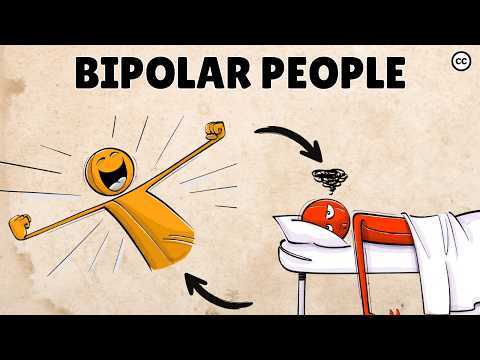
Bipolar disorder is like this wild rollercoaster ride of emotions—up and down, over and over. And delusional disorders? They add a twist that can really change how someone sees the world.
I’ve seen friends struggle with these issues, feeling lost or misunderstood. It’s tough! But understanding them better can make all the difference.
So, grab a snack or a drink—let’s break it down together!
Effective Strategies for Managing Delusional Disorder: A Comprehensive Guide
Managing a delusional disorder can feel a bit like trying to navigate a rough sea. You know, there are days when the waves crash down hard, and you’re just trying to keep your head above water. But with the right strategies, you can find some stability. Let’s break down some effective approaches.
First off, **understanding delusional disorder** is key. This condition often involves holding on to false beliefs despite evidence to the contrary. It can be tough to confront those feelings when they seem so real, but knowing what’s going on in your mind is important.
Then, there’s **therapy**, which can really help here. Cognitive Behavioral Therapy (CBT) is often recommended for this kind of disorder. Basically, it helps you identify and challenge those delusional thoughts. Think of it like a mental workout; you build strength by confronting distorted thinking patterns bit by bit.
You might also want to consider **medication** as part of your toolkit. Antipsychotic medications are sometimes prescribed; they’re used to help manage symptoms and restore some balance in brain chemistry. Just remember, finding the right medication can take time and often involves working closely with a doctor.
Another strategy could involve **support groups** or connecting with others who get what you’re going through. Sharing experiences and listening can be so validating! It’s like having your own personal cheer squad who understands how tough things can get.
And let’s not forget about the importance of **self-care practices**. Engaging in regular physical activity, eating well, and maintaining a consistent sleep schedule has a huge impact on mental health overall. If you’re feeling good physically, it can sometimes help elevate your mental space too.
Also, consider keeping a **journal** where you jot down your thoughts and feelings throughout the day. It’s like getting all that clutter out of your head onto paper—it helps in processing emotions without feeling overwhelmed.
In addition, have an open line of communication with close friends or family about what you’re experiencing—they’re there for support! It might feel vulnerable at times sharing these beliefs or feelings but opening those lines can lead to better understanding and stronger connections.
Lastly—and this one’s super important—patience is key! Recovery isn’t always linear; some days might feel heavier than others. So give yourself grace during tougher moments—it’s all part of the journey.
Remember: facing delusional disorder takes courage and persistence from both you and those supporting you along the way! Cast away doubt little by little, and don’t hesitate to reach out for help when needed; there are people ready to help guide you through those choppy waters!
Effective Communication Strategies for Engaging with Someone Experiencing Delusional Disorder
Effective communication is super important when engaging with someone dealing with delusional disorder. It can be tricky, but there are ways to make the conversation smoother and more supportive. Here’s how to navigate those conversations without making things worse.
Listen actively. When the person talks about their beliefs, it’s essential to listen. You don’t have to agree, but showing that you care can make a big difference. Nod your head or use small verbal cues like “I see” or “Uh-huh” to show you’re paying attention.
Avoid confrontation. Challenging their beliefs directly might just escalate things. Instead of saying “That’s not true,” try asking open-ended questions about their feelings. You could say something like, “Can you help me understand why you feel that way?” This makes them feel heard rather than attacked.
Validate their feelings. Even if you think their beliefs are off-base, it’s crucial to acknowledge how they feel. For instance, if they believe someone is out to get them, say something like, “It sounds really scary to think that.” This doesn’t mean you agree; it just shows empathy.
Stay calm and patient. If the conversation gets heated, keep your cool. Take deep breaths if necessary and maintain a steady tone in your voice. If they notice you’re calm, it might help them feel more at ease too.
Use simple language. Sometimes formal words can confuse or frustrate someone with delusions. Instead of using complicated terms or jargon, keep it straightforward. Say what you mean in clear terms; keep sentences short and easy to follow.
Avoid jumping into solutions too early. Sometimes people want advice right away, but this isn’t always helpful for someone experiencing delusions. They might not be ready to hear it yet. Instead of pushing solutions right away, focus on understanding where they’re coming from first.
Create a safe space. Make sure they know that it’s okay to share what they’re thinking without fear of judgment or ridicule. This can build trust over time and make future conversations easier.
And remember this: distrust is common. Someone with a delusional disorder may have issues with trust due to their beliefs affecting how they perceive others’ intentions. It can be challenging for them to differentiate between reality and what’s distorted by their mind.
In essence, connecting with someone experiencing a delusional disorder is all about empathy and clarity wrapped in gentleness. It requires patience as well as a bit of skill in communication—you’re really just trying your best to be there for them while respecting their experience without losing sight of reality yourself. So hang in there!
Essential Coping Skills for Managing Bipolar Disorder: Free PDF Guide
Managing bipolar disorder can be a real rollercoaster, right? You might feel on top of the world one minute and then crash down in a pit of despair the next. It’s not just you; a lot of people go through this. Learning some solid coping skills can help you navigate those ups and downs more smoothly.
The first thing to know is that establishing a routine can make a huge difference. Having regular sleep, meals, and activities helps keep your mood stable. You know, when I was talking to a friend who dealt with bipolar disorder, they mentioned how setting consistent sleep times really helped them feel more grounded. That’s pretty key!
Then there’s mindfulness. This isn’t just trendy talk; it really works for some folks. Practicing mindfulness or meditation can help you become more aware of your thoughts and feelings without getting sucked in by them. It’s kind of like observing clouds float by instead of getting caught in a storm.
Another big one is exercise. Seriously, moving your body—even just a little—can release those feel-good chemicals in your brain called endorphins. Whether it’s dancing in your living room or taking a walk around the block, getting active helps lift your mood.
Let’s not forget about support systems. Connecting with others who get what you’re going through is invaluable. Friends, family, support groups—these are all important pieces of the puzzle. Talking openly about feelings can lighten the emotional load.
And if you’re into journaling, that could be another helpful tool! Writing down how you’re feeling can give you insights into patterns in your moods and triggers. Sometimes seeing everything on paper makes it clearer than keeping it all jumbled up inside.
Finally, knowing when to ask for help is essential too! If things are feeling really overwhelming and you’re losing sight of things—don’t hesitate to reach out to a mental health professional. They can offer tailored strategies specifically for you.
So there you have it: routines, mindfulness, exercise, support systems, journaling, and seeking help when needed—all essential skills for managing bipolar disorder effectively! These aren’t foolproof solutions but they can definitely provide some stability as you navigate tricky emotional waters.
Bipolar and delusional disorders can feel like navigating a stormy sea. One moment, you’re riding high on the waves, feeling invincible and bursting with ideas. The next, you’re plunged into the deep, dark depths of despair where everything feels hopeless. It’s a wild ride, to say the least.
I remember a friend of mine who went through this tumultuous journey. During one manic episode, he decided to quit his job and start a band—without even knowing how to play an instrument! It seemed exciting at first; he was always energetic and full of dreams. But soon enough, that energy turned into anxiety and paranoia, leading him down a path filled with delusions about fame and success that just didn’t match reality. Watching it unfold was both heartbreaking and eye-opening.
Bipolar disorder is tricky. You have these intense mood swings that can last for days or weeks. It’s not just feeling happy or sad; it’s like flipping a switch from ecstatic to completely down in the dumps without warning. And then there’s delusional disorder. That’s when things start getting really complicated because your grip on reality isn’t quite steady anymore.
Delusions often involve false beliefs that feel super real to the person experiencing them. For instance, someone might think they’re being watched or followed—totally convinced of it—which can make life incredibly isolating. It doesn’t help when society sometimes looks at these conditions like they’re weird or scary instead of understanding what’s really going on inside someone’s head.
Just think about it: if you were in their shoes, going through those highs and lows while dealing with folks who don’t really get it? Frustrating, right? That’s why having support is crucial; whether it comes from friends, family, or mental health professionals who understand the complexities of bipolar and delusional disorders.
Therapy can be a real lifesaver here as well. Cognitive Behavioral Therapy (CBT), for example, can help people challenge those pesky negative thoughts or beliefs that arise during manic or depressive episodes. Plus, sometimes medication plays a part—though finding the right one can be akin to searching for a needle in a haystack.
Navigating all this isn’t easy by any means; it requires strength and courage—not just from those experiencing these conditions but also from their loved ones who are trying to provide support while learning along the way too. So yeah, talking openly about bipolar disorder and delusions helps break those barriers of misunderstanding—and who knows? Maybe one day we’ll make navigating mental health feel less like braving a stormy sea and more like sailing smoothly toward brighter horizons together.