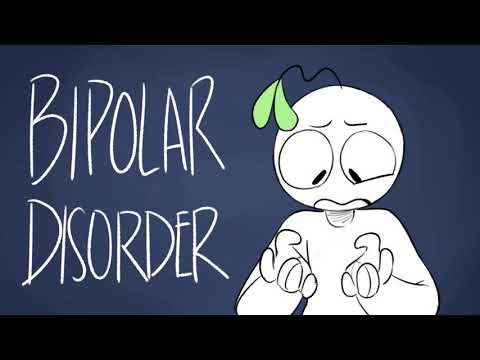
You know those days when you feel on top of the world? Everything’s clicking, and you’re just vibing with life. Then, out of nowhere, it drops. Like a rollercoaster ride that you didn’t sign up for.
That’s kind of what living with bipolar disorder or major depressive disorder can be like. One minute, you’re soaring with excitement, and the next, you’re stuck in the depths of despair. It’s a wild emotional journey.
But hey, this is more common than you might think. A lot of people are managing these ups and downs every day. The thing is, understanding them—like really getting what goes on in your head—can make a huge difference.
So let’s chat about it! What does it mean to deal with these disorders? And how can we figure out a way to cope when life throws those curveballs? Grab a comfy seat; we’ve got some ground to cover!
Understanding Bipolar Disorder: A Psychological Perspective on Its Impact and Insights
Bipolar disorder can be a tough nut to crack. It’s not just about mood swings; it’s more like riding an emotional rollercoaster that you didn’t sign up for. So, what’s the deal with it? Well, basically, people with bipolar disorder experience extreme highs and lows—those are called “mania” and “depression.”
Now, let’s break it down a bit. During a **manic** episode, you might feel on top of the world. You feel energized, talkative, and like you can take on anything. It’s that buzz when you’re super excited about something. But then there’s the flip side—**depressive** episodes hit hard too. When that happens, everything feels heavy and dark. Getting outta bed becomes a monumental achievement.
Here are some key points to consider:
- Different Types: There are actually a few types of bipolar disorder. Bipolar I is when someone has at least one manic episode, while Bipolar II involves major depressive episodes but not full-blown mania.
- Diagnosing: Diagnosis isn’t as cut-and-dried as you’d think. A doctor often looks at your symptoms over time to see the pattern because moods can shift in unpredictable ways.
- Triggers: Stressful life events can trigger episodes too. Like losing a job or experiencing a breakup could really shake things up for someone with bipolar disorder.
- Treatment Matters: Treatment usually includes therapy and sometimes medications like mood stabilizers or antipsychotics, but finding the right balance takes time.
It’s kind of like tuning an old radio; you have to fiddle around until you get just the right signal.
Let me share an example here: imagine someone named Alex who has bipolar disorder. On good days, Alex might start multiple projects at once and dive headfirst into social events and new hobbies—everybody loves being around their infectious energy! But when depressive episodes hit? It’s like that light goes out completely; Alex might withdraw from friends and struggle to find motivation even for simple tasks.
So what does this mean from a psychological perspective? Well, understanding how these fluctuations in mood work is key to navigating life with bipolar disorder—and for those around them too. It brings us back to empathy; knowing what someone is going through helps create stronger support systems.
There are also cognitive behavioral strategies that can be super helpful! They help folks recognize triggers for both mania and depression so they aren’t caught off-guard as much.
Ultimately, living with bipolar disorder doesn’t have to mean living in chaos forever—it’s about learning how to handle those wild swings in emotion over time. Recovery is possible! With proper support from friends, family—and professionals—anyone dealing with this condition can carve out their path forward.
So if you or someone close is battling this journey, remember: it’s okay not to have all the answers right now. You’re not alone in this ride!
Understanding Co-occurring Bipolar Disorder and Major Depressive Disorder: Can You Have Both?
Ever heard of co-occurring disorders? It’s when someone deals with two mental health conditions at the same time. Now, let’s talk about **bipolar disorder** and **major depressive disorder (MDD)**. Can you have both? Absolutely, and it’s more common than you might think.
So, first things first: what is bipolar disorder? It’s a condition that swings between extreme mood changes. One minute you’re on top of the world during a manic episode, feeling invincible; the next, you’re in the depths of a depressive episode. Major depressive disorder, on the other hand, is like a heavy fog that just won’t lift. You feel persistently sad or hopeless for weeks or months at a time.
Imagine this scenario: You’re someone who has bipolar disorder and experiences those high highs of mania—maybe you started a new project and felt unstoppable. But then comes a deep low where everything feels pointless, maybe even leading to thoughts of self-harm or severe fatigue. This can look like MDD layered on top of your bipolar episodes.
Here are some key points to understand:
- Having bipolar disorder doesn’t mean you can’t also have major depression.
- The symptoms can overlap significantly, making it tricky to diagnose.
- Sometimes people might misinterpret their experience as just one mental health issue instead of recognizing both are at play.
So how does diagnosis work? Well, clinicians look for patterns in your mood episodes over time. If you have moments of mania or hypomania followed by deep depressive states consistently—and maybe some days where you feel pretty normal in between—that’s valuable insight for them.
Treatment options can get complicated too. With both disorders in play, medications like mood stabilizers and antidepressants may be used together—but it needs to be managed carefully since some antidepressants might actually trigger manic episodes for those with bipolar disorder.
Then there’s therapy too! Psychotherapy is essential here—especially cognitive-behavioral therapy (CBT). That helps with changing negative thought patterns and coping strategies during both manic and depressive phases.
And let’s not forget self-care; it plays a huge role in managing these conditions! Things like sleep hygiene, regular exercise, and support groups could really make a difference day-to-day.
In summary: Yes, it is possible to have co-occurring bipolar disorder and major depressive disorder. Understanding how they interact is key to finding the right approach for treatment and managing your mental health effectively.
Understanding Major Depressive Disorder vs. Bipolar Disorder: Key Differences and Specifics
Understanding Major Depressive Disorder (MDD) and Bipolar Disorder can be a bit confusing sometimes. Both are serious mood disorders, and while they share some symptoms, they are pretty different in key ways. So let’s break this down.
Major Depressive Disorder is often just referred to as depression. If someone has MDD, they might experience persistent feelings of **sadness**, **hopelessness**, or **loss of interest** in activities they used to enjoy. Imagine waking up and feeling like the weight of the world is on your shoulders – every day feels heavy and there’s no end in sight. Some people have trouble sleeping or sleep too much, lose appetite, or even feel guilty for no reason.
On the flip side, Bipolar Disorder involves swings between extreme mood states: those ups are called manic episodes and the downs are depressive episodes. Picture someone who feels like they’re on top of the world one minute—full of energy and racing thoughts—and then boom! They crash down into deep sadness. This rollercoaster can be really intense and affects daily life significantly.
It’s worth mentioning that many people mix up these two because depression is part of both disorders. Someone with bipolar disorder spends a good amount of time depressed too but gets those high-energy manic times as well.
A friend of mine once told me about their struggle with these issues; they were diagnosed with Bipolar Disorder after years of just feeling “down” which everyone dismissed as “normal” sadness. When their moods began swinging wildly—like finishing an entire novel in three days before crashing into despair—they sought help finally.
Catching these differences early is super important because it shapes treatment options! People dealing with MDD often find relief through therapy and antidepressants focusing on managing symptoms effectively over time. Those with Bipolar Disorder usually need mood stabilizers alongside therapy so that those wild swings don’t take control.
So basically:
Understanding these distinctions really matters if you’re dealing with mental health struggles yourself or supporting someone who is!
You know, when we talk about Bipolar Disorder and Major Depressive Disorder (MDD), it’s like stepping into a complex world of emotions and experiences. I mean, these conditions can look so different from one another, yet they share some similar struggles that many people go through.
I remember chatting with a friend once who was diagnosed with bipolar disorder. He would tell me about his emotional highs—times when he felt unstoppable, bursting with ideas, and just full of energy. But then, like flipping a switch, he’d crash into the depths of depression. Those lows were heavy, dragging him down in ways that were hard for him to even describe. It left him feeling isolated and confused. Like, how could you feel so great one moment and so lost the next?
On the flip side, Major Depressive Disorder can sometimes be a more constant companion for those who deal with it. It’s not about the extremes; it’s like living in a shadow for prolonged periods. There might not be this dazzling high to contrast against the deep lows—just that persistent feeling of sadness or emptiness that doesn’t seem to lift.
What’s important is recognizing that people aren’t just their diagnoses. They’re individuals with unique stories and responses to treatment—or lack thereof! Some folks find help through therapy or medication while others may struggle for years before finding what works for them.
And here’s the thing: mental health isn’t black-and-white. You can have bipolar disorder but also experience episodes of major depression; some people call this comorbidity. It complicates things even more! The emotional rollercoasters can intertwine in ways that are hard to untangle.
I think what stands out most is how crucial it is to talk openly about these experiences without stigma or judgment. People facing these challenges deserve compassion and understanding—not just from healthcare providers but from friends and family too.
So yeah, if you or someone you care about is grappling with either of these conditions—or both—know it’s okay to seek help. You’re not alone on this ride, even if at times it feels like nobody else gets it. Remembering there’s always hope and support out there makes all the difference!