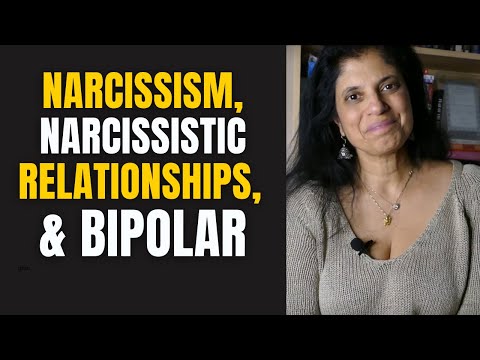
You know, mental health can be a wild ride. It’s full of ups and downs, twists and turns. One topic that often pops up is bipolar disorder and how it sometimes gets tangled with narcissism.
Now, don’t jump to conclusions—this isn’t about pointing fingers or playing blame game. It’s more like peeling back layers to understand what’s going on in the brain and heart. Seriously, it’s fascinating stuff.
You might know someone who has bipolar disorder—or maybe you’ve felt its impact yourself. It can create intense highs and crushing lows, right? But when you throw in a sprinkle of narcissism, things can get even more complicated.
Let’s chat about how these two mental health conditions interact. We’ll dive into some real-life scenarios that might feel all too familiar, mix in some psychology insights, and hopefully shine a light on the human experience behind these labels. Sounds good?
Exploring the Connection Between Bipolar Disorder and Narcissism: Myths vs. Reality
Bipolar disorder and narcissism are two terms that often pop up in conversations around mental health. But, let’s be real, there’s a lot of confusion swirling around them. So, what’s the connection?
To start with, bipolar disorder is primarily about mood swings. You have periods of intense highs (mania or hypomania) and lows (depression). Imagine feeling on top of the world one moment, only to crash and feel utterly hopeless the next. It’s a rollercoaster ride that can be tough to manage.
On the flip side, narcissism is more about personality traits. If someone has narcissistic tendencies, they may crave admiration and have an inflated sense of self-importance. They might struggle with empathy and can often appear self-centered in their relationships.
So, people sometimes think that if someone with bipolar disorder experiences mania, they might also have narcissistic traits because they’re super confident during these highs. That’s where things get foggy. Just because someone is energetic or feels invincible doesn’t mean they’re narcissistic.
Let’s break down some myths here:
- Myth #1: All people with bipolar disorder are narcissists.
- Reality: Nope! Just because someone has intense moods doesn’t mean they lack empathy or seek constant admiration.
- Myth #2: Mania looks like narcissism.
- Reality: Sure, during manic episodes people may act overly confident or show grandiosity, but this isn’t inherently the same as narcissism.
It’s important to see the overlap without jumping to conclusions. Picture a friend named Alex. Alex has bipolar disorder and goes through those high-energy phases where he seems to light up a room—everyone loves being around him! However, when he’s in a depressive phase, he’s distant and withdrawn, which is miles away from wanting admiration or attention.
Another thing to consider is that not every person with bipolar disorder will exhibit the same behaviors during mania or depression. Their experiences are unique! Some might become social butterflies while others just want isolation.
Let’s also talk about comorbidity—that’s a fancy term for when someone has more than one condition at once. There are cases where individuals can have both bipolar disorder and traits of narcissistic personality disorder (NPD). This combination can complicate diagnosis and treatment but doesn’t mean all individuals with bipolar will fall into this category.
So, what’s crucial here? Understanding bipolar disorder as its own beast distinct from narcissism, while acknowledging that there may be areas of overlap in behaviors during certain moods.
In essence, it comes down to understanding each condition for what it really is while avoiding the pitfalls of stereotype-laden thinking. With the right information and compassion, we can better support those navigating these challenges without labeling them unfairly!
Understanding Bipolar Disorder: A Psychological Perspective on Symptoms and Treatment
Bipolar disorder is one of those mental health conditions that can really throw you for a loop. Basically, it’s characterized by extreme mood swings that include emotional highs (known as mania or hypomania) and lows (depression). You might feel on top of the world one moment, then completely down in the dumps the next. Understanding these symptoms is crucial if you want to help yourself or someone else manage this disorder.
The manic phase can feel like being on a thrill ride. You might have lots of energy, sleep less, and feel like you can conquer anything. But there’s a catch: during this time, you could also make impulsive decisions that can lead to trouble. For instance, spending a bunch of money or getting into risky situations seems thrilling at the moment, but consequences follow.
Then there’s the depressive phase. This is when everything feels heavy and dark. You might find it hard to get out of bed, lose interest in things you used to enjoy, and experience feelings of worthlessness or hopelessness. It’s absolutely exhausting and can be really isolating.
Now, sometimes people mix up bipolar disorder with other issues like narcissism because they both share some overlapping traits. People with narcissism might seem self-absorbed or overly confident but don’t typically experience those wild mood swings that mark bipolar disorder.
When it comes to treatment, there are a few approaches worth mentioning:
- Therapy: Talking therapies like cognitive behavioral therapy (CBT) are super helpful. They focus on changing negative thought patterns and behaviors.
- Medication: Mood stabilizers are often prescribed to help balance out those crazy highs and lows.
- Lifestyle Changes: Regular sleep schedules and healthy routines can also make a huge difference.
I once knew someone who battled with bipolar disorder for years before they got proper treatment. They shared how lonely it felt during those heavy depressive days when nothing seemed worth doing anymore. But after finding a good therapist and getting into a routine with medications and self-care practices—things really started to shift for them.
The journey through bipolar disorder isn’t easy but understanding what you’re dealing with offers hope. If you’re feeling overwhelmed or suspect you might be experiencing these symptoms—don’t hesitate to reach out for professional help; it’s super important! Remember: reaching out isn’t just brave; it’s often the first step toward feeling better.
Understanding Bipolar Narcissistic Abuse: Recognizing the Signs and Finding Healing
Bipolar narcissistic abuse isn’t a term you hear every day, but it’s crucial to understand if you or someone you know is caught up in that kind of situation. So, let’s break it down a bit.
First off, bipolar disorder is a mental health condition that causes extreme mood swings—from highs (mania or hypomania) to lows (depression). On the other hand, narcissism is all about an inflated sense of self-importance, a need for excessive admiration, and a lack of empathy. When these two traits mix in one person, things can get pretty complicated.
You might be wondering: what does this look like in real life? Imagine being with someone who, during their manic phase, believes they’re invincible. They might spend money recklessly or push you away when you’re just trying to be supportive. Then comes the low phase when they’re depressed and may withdraw entirely. This back-and-forth can leave partners feeling confused and emotionally battered.
Recognizing the signs of bipolar narcissistic abuse is key. Here are some things to watch out for:
- Gaslighting: This is when they twist reality so much that you start questioning your own sanity.
- Love bombing: In their high phases, they might shower you with affection and gifts, making you feel on top of the world.
- Emotional rollercoaster: You’re never really sure what mood they’ll be in—one minute it’s blissful; the next, it’s like walking on eggshells.
- Lack of accountability: They struggle to take responsibility for their actions during both high and low moods.
It can feel like being in a relationship with two different people—sometimes charming and exhilarating; other times manipulative and cruel.
So how do you find healing from this? First off, recognizing that what you’re experiencing isn’t okay is vital. Seriously! You deserve to feel safe both mentally and emotionally.
Talking to someone about your experience can also help a ton. Whether it’s friends or professionals who understand these dynamics can lighten your burden immensely. Therapy could provide coping strategies and help rebuild your self-esteem.
Consider setting clear boundaries too. It sounds simple but sticking to them isn’t always easy in an unpredictable environment. Boundaries help protect your emotional space.
Ultimately, recovering from bipolar narcissistic abuse means prioritizing your own wellbeing over everything else—it’s not selfish; it’s necessary! Remember that healing takes time. Be patient with yourself as you navigate these complex feelings.
Every step toward recognizing what’s happening is a step toward reclaiming your life—because you matter!
Bipolar disorder and narcissism can make for a pretty complicated combo. So, let me break it down a bit. Bipolar disorder is all about those intense mood swings—like, one minute you’re on top of the world and the next, you’re in a dark pit. It’s not just «feeling sad or happy,» it’s this rollercoaster that can really shake things up.
Narcissism, on the other hand, usually revolves around having an inflated sense of self-importance. Like, some people might see themselves as, I don’t know, the center of the universe or something. It’s not just confidence; it’s more like needing constant admiration and having trouble empathizing with others.
Now imagine trying to deal with both conditions at once. That’s a heavy load to carry. I remember talking to a friend who had bipolar disorder and showed some narcissistic traits. They would have these explosive highs where they thought they could conquer anything—maybe even start a million-dollar business overnight! But then the crash would come, leaving them feeling not just low but also angry at anyone who didn’t understand their brilliance.
The emotional whiplash can be brutal—not only for them but for those around them too. Friends and family might feel lost or even hurt when someone flips from being charismatic and exciting to withdrawn or irritable in no time at all. And that definitely takes a toll on relationships.
From a psychological angle, it gets tricky because these two conditions can mask each other. Sometimes people with bipolar disorder might come off as narcissistic during their manic phases since they seem so self-absorbed and grandiose. But when they’re depressed? Well, that excitement fades away fast.
Overall, navigating life with either condition can feel overwhelming—mixed together? That’s like adding fuel to an already blazing fire—so learning how to manage these feelings is crucial! Therapy can be a great way to untangle this mess and help folks develop healthier coping strategies along the way.
So if you know someone grappling with these issues or find yourself in that space? Always remember empathy is key—and getting support is super important too!