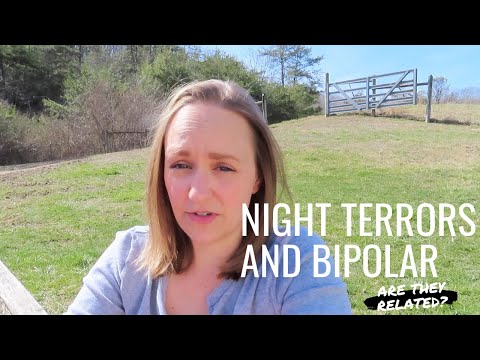
Hey! You know how some nights you just can’t seem to shake that feeling of dread? Picture this: it’s 3 AM, and you wake up in a cold sweat. Your heart’s racing, and you swear you saw something weird in the corner of your room. Yup, night terrors can be a real thing.
Now, couple that with something like bipolar disorder, and things can get pretty intense. It’s like your mind is throwing a wild party where no one got the memo to stick to the schedule! Some days are high-energy joyrides; other days feel like you’re trudging through quicksand.
Bipolar disorder isn’t just about mood swings. It’s this whole spectrum of feelings, experiences, and challenges. And when night terrors crash the party? Well, let’s just say sleep isn’t always an escape anymore.
So grab a comfy seat because we’re diving into how these two can collide in the mental health world. Seriously, it’s wilder than it sounds!
Exploring the Connection Between Bipolar Disorder and Night Terrors: What You Need to Know
Bipolar disorder and night terrors might seem like they belong to different worlds, but there’s actually a connection between the two that’s worth exploring. When you think about it, both involve significant changes in mood and can really mess with your sleep. So, let’s break this down a bit.
First off, bipolar disorder is a mental health condition characterized by extreme mood swings. You might experience manic episodes where you feel euphoric or irritable and depressive episodes that can leave you feeling hopeless or fatigued. These shifts can be intense, kind of like riding an emotional rollercoaster. Now, when your mood is all over the place, it makes sense that your sleep might be too.
Night terrors are a type of sleep disturbance. They usually happen during the deep stages of sleep and can cause intense fear, screaming, or even confusion when someone wakes up from one. It’s like being stuck in a nightmare but not remembering what happened after it subsides. So how do these two connect?
Well, research shows that people with bipolar disorder may experience more sleep disturbances in general. This could include everything from insomnia to those pesky night terrors. When your mood is cycling, it can disrupt not only how you feel but also how you sleep.
Here are some key points to chew on:
- Sleep disruptions: Bipolar disorder often comes with disrupted sleep patterns; this alone can lead to night terrors.
- Medications: Some medications for bipolar disorder may contribute to sleep issues and even increase the risk of night terrors.
- Stress triggers: High-stress situations or major life changes can trigger both mood swings and nighttime disturbances.
- Coping strategies: It’s crucial for people dealing with bipolar disorder to develop good sleep hygiene practices to minimize night terror occurrences.
Let me tell ya about Sarah—a friend who battles bipolar disorder. During her manic phases, she couldn’t wind down at night; her mind was racing! And then came the night terrors; she’d wake up screaming or confused about where she was. It took time for her to learn that managing her overall mental health helped her tackle these terrifying experiences at night.
If you’re dealing with either of these issues—whether it’s bipolar symptoms or struggling with frightening dreams—it’s important to talk to someone who gets it: a therapist or doctor who understands this intersection of conditions can help guide you through some coping mechanisms.
In summary, while bipolar disorder and night terrors aren’t directly linked like peanut butter and jelly, they do share some common ground due to how our bodies handle sleep when moods swing wildly. Taking care of your mental health goes hand-in-hand with getting those Z’s—so don’t hesitate to reach out for help if those nightmares become too much!
Exploring the Benefits of Melatonin for Managing Night Terrors: Does It Really Help?
Let’s talk about night terrors and melatonin. Night terrors can be really intense, right? If you’re experiencing them, you might wake up screaming or feel like you’re stuck in a nightmare, often with no memory of what happened. This can be particularly challenging for people with bipolar disorder, where mood swings and sleep disturbances are already common.
Now, melatonin comes into play here as a kind of aid. Basically, it’s a hormone your body makes naturally to regulate sleep-wake cycles. Some folks turn to melatonin supplements when they’re having trouble sleeping or dealing with circadian rhythm issues.
So does melatonin help with night terrors? Well, research suggests it might have some benefits! Here are a few things to consider:
- Sleep Quality: Melatonin may improve overall sleep quality. Better sleep can mean fewer disruptions in your night.
- Reducing Stress: It could help lower stress levels too. Less stress might ease the intensity of those night terrors.
- Bipolar Considerations: For those with bipolar disorder, managing sleep is crucial since disrupted sleep can trigger mood episodes. Melatonin could potentially help stabilize that.
But here’s the kicker: it doesn’t work for everyone. Some people still have night terrors despite taking melatonin. You know? It’s kind of like trying on shoes; just because they look good doesn’t mean they fit perfectly.
A personal story comes to mind—a friend of mine struggled with night terrors for years and decided to try melatonin after doing some reading on it. At first, she felt hopeful because she noticed an improvement in her sleep quality overall. But as time went on, she still experienced the occasional terror despite taking it regularly.
So yeah, while melatonin might be useful for some people dealing with night terrors—especially if you also deal with bipolar disorder—it isn’t a magic solution for everyone out there. That said, always chat with a healthcare professional before starting any new supplement regimen, just so you can find what works best for you!
Exploring the Connection Between Low Serotonin Levels and Night Terrors
Well, let’s get into this whole connection between low serotonin levels and night terrors, especially in the context of bipolar disorder. It’s pretty interesting stuff!
First off, you should know that **serotonin** is a neurotransmitter—basically, a chemical messenger in your brain. It plays a big role in regulating mood, sleep, and even anxiety. Low serotonin levels have been associated with various mental health issues, including **bipolar disorder**. Now, when someone with bipolar disorder experiences mood swings—from manic highs to deep depressive lows—this can lead to some pretty wild sleep disturbances.
Now, about those **night terrors**. They’re not just your average nightmare. Night terrors usually happen during the non-REM (Rapid Eye Movement) sleep phase and can leave you feeling panicked and confused upon waking up. Imagine waking up suddenly feeling terrified but not really knowing why—that’s a night terror for you.
So here’s the link: people with bipolar disorder might experience low serotonin because the mood swings can mess with the brain’s chemistry. When serotonin is low, it affects how you sleep as well as how well you cope with stress or anxiety. This imbalance can trigger night terrors.
- Low serotonin can lead to disrupted sleep cycles.
- Nights filled with fear can make it hard to stay in deep sleep.
- This disruption may mean more frequent night terrors.
Let me tell you a quick story here: I had a friend who dealt with bipolar disorder and had these crazy vivid night terrors. One time he woke up screaming about being chased by shadows. It wasn’t just terrifying for him; his partner was also freaking out! After talking to a therapist, they realized that his episodes were worse during times of stress when he hadn’t been taking care of himself—like skipping meals or not sleeping much.
The thing is, when you’re looking at night terrors through the lens of mental health conditions like bipolar disorder, those low serotonin levels become crucial. Without proper management of mood swings and improving overall mental health—think therapy or medication—it can create this cycle where poor sleep leads to more intense emotions and instability.
In short, if someone has bipolar disorder with **low serotonin levels**, they might struggle more often with night terrors due to disrupted sleep patterns caused by their mood changes. Addressing these issues separately but collectively is key for better nights—and more peaceful rest!
So yeah, understanding this connection is super important—it helps people find ways to manage their symptoms better and improve their quality of life overall!
Bipolar disorder is a bit of a mixed bag, if you think about it. One moment you’re feeling like you can conquer the world—like all those wild ideas in your head are just waiting to burst forth. Then, bam! You might hit a low that feels like quicksand pulling you under. It’s an emotional rollercoaster, and that ups and downs can seriously mess with your sleep patterns.
Now, let’s throw night terrors into the mix. They’re like that unexpected horror movie jump scare in your dreams. Instead of just having nightmares where you wake up feeling scared or anxious, night terrors are more intense. You might bolt upright in bed, heart racing, and feel an overwhelming sense of dread—even if you can’t remember what scared you in the first place.
Imagine this: A friend shared how they had night terrors on top of their bipolar symptoms. During manic phases, they’d have crazy vivid dreams where they were flying or dancing—everything felt euphoric! But then came the crash into depression and those nights turned dark. Suddenly, sleep wasn’t a sanctuary; it became a battlefield. They’d wake up screaming at shadows or gasping for breath, drenched in sweat—totally caught off guard by their own mind.
It’s wild how these two things can entwine so deeply. When you’re already dealing with mood swings from bipolar disorder, adding night terrors is like throwing gasoline on the fire. Sleep becomes disrupted and staying balanced gets even trickier. There’s this cycle where lack of sleep cranks up anxiety levels and makes mood swings more pronounced—kinda like this vicious loop that just keeps spinning faster.
And the reality is many folks don’t really talk about these connections much, which leaves people feeling isolated or misunderstood during these tough times. It’s important to reach out for diagnosis beyond just what others see on the surface—because mental health is complex and requires layers to be peeled back to fully understand.
So when it comes to managing bipolar disorder alongside night terrors, it’s super crucial to work with someone who gets it—like a therapist or doctor who understands how one affects the other. You need strategies tailored to help navigate both sides of this coin so rest doesn’t feel so elusive anymore.
And hey—you’re definitely not alone in this journey! Finding community and sharing experiences makes all the difference—you know? Sometimes just knowing someone else has walked down that path can lift some weight off your shoulders.