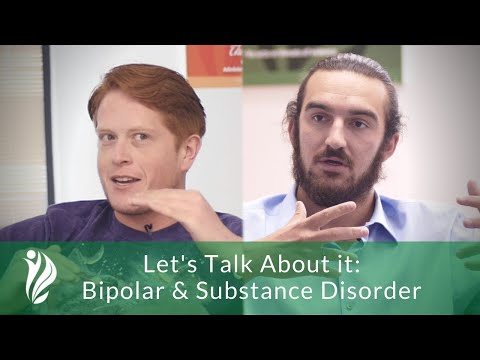
You know, life can be a real rollercoaster sometimes. Just think about it for a sec—one day you’re on top of the world, feeling invincible, and the next you’re in this dark pit, like everything’s crashing down. That’s kind of what it’s like for someone living with bipolar disorder.
But here’s the thing: when you’re navigating those highs and lows, some people turn to substances as a way to cope. I mean, it’s not surprising, right? Sometimes people just want an escape or to feel “normal” again.
So, what happens when these two worlds collide? It can get messy. Really messy. We’re talking about bipolar disorder and substance abuse tangled together like some crazy knot in a shoelace. And untangling that mess? Well, that’s a whole journey in itself.
Let’s chat about how these challenges connect and why it matters to understand both sides of the story.
Understanding the Connection Between Bipolar Disorder and Substance Abuse: Key Insights and Implications
Bipolar disorder and substance abuse often go hand in hand, which can make life super tricky for those dealing with either condition. Basically, people with bipolar disorder experience extreme mood swings, alternating between high-energy manic episodes and deep, gloomy depressive phases. This rollercoaster of emotions can lead some folks to seek out substances like alcohol or drugs to self-medicate.
So, what’s the connection between the two? Well, it turns out that having bipolar disorder increases the risk of developing a substance use disorder (SUD). Studies show that around 30% to 50% of people with bipolar disorder also struggle with alcohol or drug abuse at some point in their lives. Why does this happen? Sometimes it’s about trying to cope with intense feelings. For example, during manic waves, someone might feel invincible and turn to stimulants like cocaine or meth for that extra kick.
On the flip side, when the depression hits, they might reach for alcohol or downers to escape from those heavy feelings. It’s a tough cycle because substance use can worsen bipolar symptoms and make treatment more complex. It’s like pouring gasoline on a fire.
Another factor playing into this is the idea of impulsivity. People with bipolar disorder may act without thinking during manic episodes, leading them to try out drugs or risky behavior without considering the consequences. Imagine feeling on top of the world one moment and then crashing down hard—it can be a wild ride that feels uncontrollable.
And there’s also genetic factors at play. If you have family members who battled either condition, your chances of experiencing them yourself might be higher. It’s like inheriting some unpredictable traits from your family tree.
Now let’s talk about treatment options because they really matter here! People facing both challenges need integrated care that addresses both their mood issues and substance use simultaneously. Traditional therapies like cognitive-behavioral therapy (CBT) can help change harmful thought patterns while providing strategies for managing mood swings and cravings.
And medications can be helpful too; mood stabilizers are often prescribed for bipolar disorder while keeping an eye on any potential interactions with substances.
So what does all this mean? Well, it shows how important it is for individuals facing either issue to find support—whether through therapy groups, supportive friends or family members, or mental health professionals who understand both sides of the coin.
In other words: understanding this connection isn’t just about knowing facts; it’s about seeing how intertwined these experiences are. They deserve attention and empathy so people don’t have to navigate these challenges alone.
Ultimately, recognizing these insights can help break down stigma too—because hey, we’re all human navigating complex struggles together!
Exploring the Link Between Mental Health and Substance Abuse: Understanding the Connection
So, let’s talk about this link between mental health and substance abuse, especially when it comes to something like bipolar disorder. You know, it’s a pretty complex relationship, and a lot of people don’t really get how intertwined these issues can be.
Essentially, folks with bipolar disorder experience extreme mood swings. One minute they’re feeling on top of the world—seriously high energy—then they crash into deep depression. This can be overwhelming and, well, some might try to self-medicate with alcohol or drugs to cope with their emotions. But here’s the kicker: using substances often makes things a lot worse in the long run.
- Heightened Risks: People suffering from bipolar disorder are at a higher risk for developing substance use disorders. It’s like the two conditions feed off each other.
- A Temporary Solution: Sure, using substances might give temporary relief from certain moods or feelings. But they end up complicating treatment for bipolar disorder because they can trigger episodes.
- Anxiety and Depression: When someone drinks or uses drugs to escape feelings of anxiety or depression, it often leads to more severe symptoms later on.
- Difficulties in Treatment: If you add substance abuse into the mix, managing bipolar symptoms becomes way more challenging. Therapy and medication might not work as effectively if there are substances involved.
You might be wondering why someone would choose this path. Well, imagine feeling so low that just getting out of bed feels impossible. Then you find something that temporarily lifts you up—a drink or some other substance seems appealing at that moment. It’s like trying to escape a never-ending cycle of pain and instability.
The concern is that while it might feel good short-term—like briefly escaping reality—it inevitably makes everything tougher in the long haul. I once spoke with someone who struggled with both bipolar disorder and alcohol use; they’d sometimes indulge in drinking during manic phases for fun but found themselves spiraling into dark depressive episodes afterward—waking up regretting what they’d done.
A big part of understanding this connection is realizing how important treatment is for both conditions at once—this is called integrated treatment. Addressing both mental health needs and substance abuse together means better outcomes overall. After all, if you only treat one without addressing the other, it’s kind of like putting a band-aid on a broken leg—you’re not getting to the root of the problem!
If you or someone you know is struggling here, remember that seeking help can be a game changer. Finding professionals who understand both aspects will help in navigating these tough waters together.
The bottom line? The link between bipolar disorder and substance abuse is real—and understanding it fully can lead to better support and healing opportunities for those affected. So let’s keep talking about it! Awareness is key!
Understanding Bipolar Disorder: A Comprehensive Look at Its Psychological Perspective
Bipolar disorder can be a tricky thing to wrap your head around. It’s not just having mood swings. We’re talking about intense emotional states that can feel like you’re riding a roller coaster without a safety bar. You know how one minute you might be feeling on top of the world? And then, just like that, you hit rock bottom? Yeah, that’s kind of what it’s like for someone with bipolar disorder.
Understanding Bipolar Disorder means knowing that it usually comes in two main forms: Bipolar I and Bipolar II. With Bipolar I, episodes of mania are often more severe, meaning someone might experience high-energy outbursts or risky behaviors. On the flip side, Bipolar II involves milder manic episodes called hypomania and usually more frequent depressive episodes.
So what’s going on in the brain? Well, research suggests that imbalances in certain neurotransmitters play a role. Think of these neurotransmitters as messengers that tell your brain how to feel and react. When there’s too much or too little of these chemicals, it can throw everything out of whack emotionally.
Now, let’s talk about how this ties into substance abuse because they often dance hand-in-hand. People with bipolar disorder may turn to drugs or alcohol as a way to cope with their intense emotions during both manic and depressive phases. It’s kind of a vicious cycle—you try to self-medicate during those tough times, but substances only end up making things worse.
Let me share something personal here: I had a friend who struggled with bipolar disorder and felt super low during depressive episodes. To escape that darkness, he started drinking heavily. At first, it seemed like an easy solution—he could forget his problems for a while. But eventually, it compounded his issues leading to even longer periods of depression and hospitalization.
Here are some key points to keep in mind:
- Mood Episodes: They typically cycle between mania/hypomania and depression.
- Triggers: Stressful situations or substance use can trigger these mood shifts.
- Treatment: Medication is often combined with therapy; mood stabilizers are common.
- Coping Strategies: Developing healthy habits can help manage symptoms over time.
- Support Systems: Having friends or family who understand your struggles is crucial.
The important thing is recognizing what bipolar disorder really looks like beyond the stigma. It’s about understanding those emotional highs and lows and finding ways to navigate them without falling into traps—like substance abuse—that can complicate things further.
It’s not easy dealing with bipolar disorder or seeing someone you care about go through it. But having open conversations about mental health can make a huge difference in breaking down walls—and hey, that’s where real healing begins!
You know, when you hear about bipolar disorder, it’s easy to focus on the mood swings—going from those high energy highs to deep lows. But what often gets overlooked is how many people with bipolar disorder might also struggle with substance abuse. It’s like a really tough cycle that just feeds into itself.
I had a friend once who dealt with both. She was hilarious and creative during her manic phases, always full of plans for art projects and adventures. But then, when she’d fall into that depressive state, it was like all those vibrant colors of her personality drained away. In an attempt to cope with the hurt or even to enhance those euphoric moments, she started drinking more than usual. At first, it was just fun—a way to connect with others and escape for a little bit. But eventually, it spiraled out of control.
The thing is, using substances can feel like an easy fix for the intense emotions that come with bipolar disorder. I mean, if you’re on a high and want to keep feeling that way or if you’re down in the dumps and just can’t see how to climb out, reaching for something—anything—that makes you feel better can be tempting. But this “quick fix” often makes things worse in the long run.
With bipolar disorder flipping the switch between moods so unpredictably, adding substances into the mix creates chaos. Mood stabilizers might help manage those mood swings when they’re taken consistently; however, substances can complicate or even negate their effectiveness. It’s like trying to juggle while someone keeps throwing bricks at you.
It’s crucial to talk about this connection because both issues need attention if someone is really going to find relief and healing. And there’s no shame in asking for help! A therapist who understands both mental health and substance abuse can provide strategies tailored specifically for navigating these tricky waters.
At the end of the day, mental health is so complex—there are layers upon layers of experiences intertwining together. If you or someone you care about is dealing with these challenges, know that it’s okay not to have all the answers right away. Take baby steps toward understanding what support looks like; sometimes that’s enough to start breaking free from that cycle of pain together.