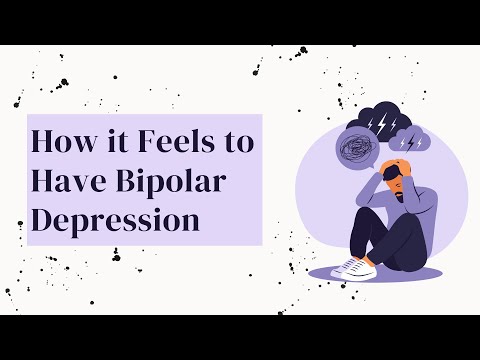
Hey, you ever feel like you’re just dragging yourself through the day? Like no matter how much sleep you get, you still feel totally wiped out? That’s a real bummer, especially when you throw bipolar depression into the mix.
Fatigue can be such a sneaky little monster. It creeps up on you and suddenly, everything feels heavy. You might want to curl up under your blankets or zone out in front of the TV.
What’s wild is that fatigue isn’t just about being tired. It’s emotional, mental, and all sorts of frustrating. So let’s chat about it. We’re going to break it down and figure out how to navigate this tricky landscape together. Sound good?
Understanding the Impact of Bipolar Disorder on Life Expectancy: Key Factors Explored
Bipolar disorder can really shake things up in your life. It’s not just the mood swings; it can have some big impacts on things like life expectancy. Seriously, understanding this whole situation is crucial. Let’s break it down a bit.
Bipolar Disorder and Its Impact
Bipolar disorder involves extreme mood changes, from manic highs to depressive lows. These fluctuations can make daily life super challenging. When we talk about life expectancy, research suggests that people with bipolar disorder might live shorter lives compared to those without it. But hey, it’s not all doom and gloom—let’s look at what factors play into this.
Key Factors
- Co-occurring Conditions: Many folks with bipolar disorder also deal with other health issues, like heart disease or diabetes, which can shorten lifespan.
- Substance Abuse: Some people might turn to alcohol or drugs as a way to cope with their symptoms. This can seriously impact health and longevity.
- Suicidal Tendencies: The risk of suicide is higher for those with bipolar disorder, especially during depressive phases. It’s a heavy reality that needs attention.
- Lack of Treatment: Not everyone gets the right help or manages their condition well. Poor management can lead to more severe symptoms and health problems over time.
- Sedentary Lifestyle: In times of depression, getting out of bed can feel like climbing a mountain. This lack of activity contributes to all sorts of physical health issues.
Take Sarah, for example (that’s not her real name!). She struggles with bipolar disorder and often finds herself in deep depressions. During these times, she barely moves off the couch and sometimes skips meals altogether. This affects her energy levels and overall health—not just her mental state but physically too.
The Role of Fatigue
Now, let’s chat about fatigue in bipolar depression because that plays a huge part. When you’re feeling drained all the time, it’s hard to take care of yourself properly—like eating right or exercising. Chronic fatigue can worsen depressive episodes and increase the risk for other health issues. You get stuck in this cycle: fatigue leads to poor self-care which leads to more fatigue.
Coping Strategies
Finding ways to cope is key! Regular therapy sessions, medication management, and lifestyle changes—like staying active when you can—can make a difference in overall wellbeing and help extend life expectancy too.
So yeah, while there are serious challenges associated with living with bipolar disorder, staying informed about its impacts on your life expectancy really helps you take control over your health journey. It’s all about recognizing what you’re up against—and taking steps toward better self-care matters!
Understanding Bipolar Fatigue: Signs, Symptoms, and Coping Strategies
Bipolar fatigue can feel like this heavy blanket weighing you down, especially during depressive episodes. You might be thinking, «Why do I feel so tired when I should be full of life?» Well, let’s break it down.
First off, what is bipolar fatigue? It’s not just regular tiredness. It’s this profound sense of exhaustion that wraps around you. You’re not just sleepy; you feel drained, both physically and mentally. This can make your daily tasks seem impossible.
Now, let’s talk about the signs and symptoms. When you’re experiencing bipolar fatigue, you might notice:
- A constant feeling of tiredness that doesn’t go away with sleep.
- Having zero motivation to do anything, even things you usually love.
- Difficulty concentrating or making decisions.
- A sense of hopelessness that lingers throughout the day.
Imagine waking up after a full night’s sleep but still feeling like you’ve run a marathon. That kind of weariness isn’t something most people can understand unless they’ve been there.
Okay, so why does this happen? It often stems from the intense emotional ups and downs characteristic of bipolar disorder. During manic phases, your brain is firing on all cylinders; then when the crash comes during depression, it’s like all that energy gets zapped away. It’s exhausting just to exist sometimes!
Coping with this kind of fatigue is crucial to managing your overall mental health. Here are some strategies that could help:
- Establish a routine: Having a consistent daily schedule can help provide structure and reduce stress.
- Pace yourself: Break up tasks into smaller steps so they don’t feel overwhelming.
- Mindfulness and relaxation techniques: Practices like meditation or gentle yoga can help clear your mind and ease tension.
- Stay connected: Engage with friends or support groups; socializing can lift your spirits even if it’s hard at times.
And listen, if these feelings are super intense or unmanageable on your own, reaching out for professional support is key. Therapists familiar with bipolar disorder can offer tailored techniques to address fatigue specifically.
In my experience chatting with people dealing with bipolar fatigue, they often find solace in small wins—like getting dressed in the morning or taking a short walk outside. Every little step counts in claiming back energy.
So remember: It’s okay to feel tired; it’s part of the journey for many who are navigating through bipolar disorder. The important thing is acknowledging it and finding ways that work for you to cope—because you deserve moments of light amidst all that heaviness!
Conquering Bipolar Fatigue: Effective Strategies for Renewed Energy and Well-Being
Bipolar fatigue can feel like a heavy blanket, smothering your energy and motivation. When you’re in a depressive phase, it’s not just about feeling sad; it’s like climbing a mountain while dragging a boulder behind you. Seriously, it’s exhausting! But there are ways to tackle this fatigue head-on so you can reclaim some of that lost energy and well-being.
Understanding Fatigue
First off, let’s get into what bipolar fatigue really is. It’s not just being tired; it’s this deep-seated exhaustion that can linger even after you’ve had enough sleep. You may find it tough to get out of bed or feel mentally foggy throughout the day. And that’s totally valid! It’s like having your mind trapped in molasses.
Identify Triggers
One effective strategy is identifying what makes your fatigue worse. Maybe stress at work or changes in your routine throw you off balance. Keep track of these situations and how they affect your mood and energy levels. Once you know your triggers, it’s easier to tackle them head-on.
Create a Routine
Establishing a consistent daily routine can also work wonders. Think about having set wake-up times and meal schedules. This helps regulate your body clock and creates predictability, which many people with bipolar disorders find comforting.
- Try sticking to regular sleep patterns – going to bed and waking up at the same time each day.
- Incorporate short breaks during the day for activities that recharge you.
- Add some light physical activity; even a short walk can help boost those endorphins!
Nutrition Matters
Let’s talk about food – because what we eat influences our mood way more than we often realize. A balanced diet filled with whole foods, fruits, veggies, lean proteins, and healthy fats does wonders for energy levels. And hey, don’t underestimate hydration; drinking enough water is crucial too!
Think about it: how often do you grab snacks just because they’re quick? Maybe some chips or candy? While they taste good in the moment, they can leave you feeling drained soon after.
Mindfulness Techniques
Seriously consider incorporating mindfulness practices into your life as well. Stuff like meditation or deep-breathing exercises can help ground you when fatigue hits hard. They create space for awareness about your feelings without judgment—allowing you to process instead of react impulsively.
And if it’s hard to sit still at first because you’re buzzing with thoughts? That’s totally normal! Starting with just five minutes can lead to longer sessions as you get comfortable.
Social Connections
Don’t forget about social support; staying connected with friends or family provides emotional boosts when you’re feeling low on energy. You don’t have to burden them with all the details of what you’re going through—just sharing a laugh or catching up on life can make a big difference.
If reaching out feels tough during depressive episodes—try scheduling low-key hangouts or even virtual calls instead!
Professional Support
Lastly, never underestimate the power of professional help! A therapist who understands bipolar disorder can offer tailored strategies to cope with fatigue specifically suited for *you*. Medication may also play an essential role if prescribed by a doctor—just make sure to have open discussions about side effects.
Feeling fatigued doesn’t mean there’s something wrong with *you* personally; it’s part of the experience many face living with bipolar disorder. By understanding these strategies—like creating routines or connecting socially—you’ll find ways to gradually lift that weight off your shoulders.
So remember: little steps matter! As much as the struggle is real (trust me), finding ways to conquer bipolar fatigue leads towards renewed energy and better well-being over time!
Fatigue can be a real beast, especially when it’s wrapped up in something like bipolar depression. You know, it’s one of those things that often gets overlooked. People see the mood swings and the highs and lows, but they don’t always notice just how tired someone can feel. It’s like carrying around this heavy backpack filled with bricks that you just can’t put down.
I remember talking to a friend who lives with bipolar depression. She mentioned how sometimes she felt like she could conquer the world—filled with energy and ideas—but then would crash into this fog of exhaustion. It wasn’t just being sleepy; it was this deep-rooted fatigue that made even simple tasks, like getting out of bed or showering, feel monumental. Seriously, some days it was all she could do to make it to the couch.
So what’s going on there? Well, fatigue in bipolar depression isn’t just due to lack of sleep. It’s tied into all those emotional ups and downs we go through. When you’re experiencing intense emotions—whether it’s the high energy of mania or the crushing lows of depression—it takes a toll on your mental reserves. Think about running a marathon without training; you’re bound to be wiped out afterward.
There’s also this tricky relationship between mood stabilizers and energy levels. Many people with bipolar disorder might use medications to stabilize their moods, which is super important but can also lead to feeling more sluggish at times. Balancing everything is no walk in the park.
And let’s not forget about the stigma around mental health conditions. Sometimes people just don’t get it when you say you’re tired or need a break. They may think you’re being lazy or overdramatic when really, you’re wrestling with an invisible weight every day.
Finding ways to navigate that fatigue is critical. Sometimes it means giving yourself permission to take things slow or reaching out for support from loved ones who understand what you’re going through—or maybe even connecting with a therapist who specializes in bipolar disorder.
At the end of the day, fatigue doesn’t define you or your journey through bipolar depression; it’s just one part of a complicated picture. Recognizing that connection might help ease some burden off your shoulders, allowing for more understanding as you navigate those rough patches—and hopefully lead to moments where rest can bring some rejuvenation rather than guilt.
So yeah, if you’re ever feeling overwhelmed by that relentless fatigue? Just remember you’re not alone in this struggle—so be kind to yourself!