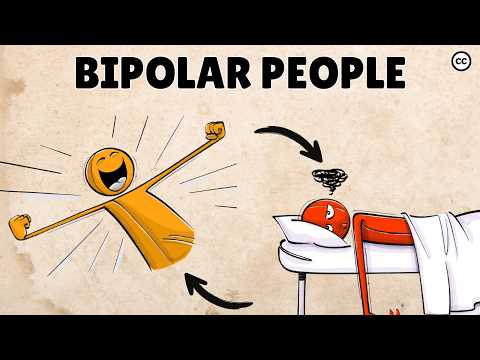
You know, when we think about mental health, some words just pop up more than others. One of these is bipolar disorder. It’s a big deal, but it’s not always easy to wrap your head around.
So, what’s the scoop on bipolar depression? Well, it can look a bit different for everyone, especially when you’re comparing guys and gals. A lot of times, people don’t realize how symptoms can hit men in unique ways.
Let me tell you something—sometimes it feels like the world just doesn’t get it. You think you’re fine one minute and then suddenly, bam! Everything feels heavy and dark. That rollercoaster ride of emotions? Yeah, that’s kind of what we’re diving into here.
So grab a cup of coffee or tea or whatever you like. Let’s chat about this stuff together and see what it really means for guys dealing with bipolar depression.
Effective Strategies to Combat Bipolar Depression: A Comprehensive Guide
Battling bipolar depression can feel like a rollercoaster of emotions, especially for guys who might not even recognize what they’re going through. You know, it can really hit hard, and understanding how to manage it can make a world of difference. So let’s dig into some effective strategies that could help you or someone you care about.
Recognizing the Symptoms is step one. Bipolar depression isn’t just feeling sad; it can include fatigue, irritability, and even problems with concentration. Maybe you’ve felt super down for weeks or had moments where nothing seems enjoyable. This isn’t just a phase; it’s real and needs attention.
- Medication Management: Talk to your doctor about finding the right medications that work for you. Sometimes that means trial and error to get it just right. These meds can stabilize your mood swings.
- Therapy: Different types of therapy are out there—cognitive behavioral therapy (CBT) is pretty common and helps change negative thought patterns. You might find talking to someone makes a huge difference.
- Diet and Exercise: Yeah, I know this sounds cliché, but eating well and staying active really matters. Regular exercise can boost your mood like crazy—seriously! Think about taking short walks or even trying out a fun sport.
- Sleep Hygiene: Getting enough sleep is crucial. It’s easy to let insomnia creep in during a depressive episode, so set a routine that encourages good sleep habits.
- Mood Tracking: Keeping tabs on your moods can help you spot patterns before they spiral out of control. Use an app or jot it down in a journal; just track how you’re feeling day by day.
Then there’s the importance of a support system. Lean on friends or family who get it—they can offer encouragement when things feel heavy. Seriously, don’t try to do this alone; connect with others who understand bipolar disorder.
Anecdote time! A friend of mine used to isolate himself when he hit those low points. He’d say he didn’t want anyone around while he was feeling crummy. But once he started opening up to his brother about his struggles, things changed for him drastically! They formed a support habit where they would check in at least once a week over coffee—it made all the difference.
Remember that bipolar depression doesn’t define you—it’s part of your journey but not the whole story. You’ve got strength inside you waiting to be tapped into! Working through these strategies takes time and patience but hang in there—you’ve got this!
Recognizing the Signs of Bipolar Disorder in Men: Key Indicators to Watch For
Bipolar disorder can be a tricky thing to understand, especially since it affects everyone a bit differently. When we talk about recognizing the signs of bipolar disorder in men, there are some key indicators worth looking out for. You might notice these traits in yourself or someone you care about, so let’s break it down.
First off, let’s chat about mood swings. Men with bipolar disorder often experience extreme shifts in mood. One minute they might feel on top of the world, super energetic, and almost invincible—this is called a manic episode. Then, out of nowhere, they could crash into deep sadness or irritability during a depressive episode. It’s like being on a rollercoaster that never stops.
Another sign to keep an eye on is changes in sleep patterns. During manic phases, some men can go for days with hardly any sleep but still feel energized. They could be up all night working on projects or socializing. Conversely, during depressive phases, they may struggle to get out of bed and just want to sleep all the time.
Also, watch for risky behavior. When feeling manic, guys might engage in impulsive actions—things like spending sprees, reckless driving, or sudden decisions that raise red flags. It’s often as though they’re chasing that high feeling without realizing the potential consequences.
Then there are those times when guys can become really withdrawn during depressive episodes. You might notice them pulling away from friends and family or losing interest in activities they usually love. They may seem distant or irritable—pretty concerning signals that something isn’t right.
It’s also common for men with bipolar disorder to have periods of increased irritability and anger. This can manifest as short tempers or conflicts in relationships. Your buddy who once was chill might suddenly blow up over minor issues—it’s all part of the mood changes.
Now you’ve got to remember that diagnosing bipolar disorder isn’t straightforward; it’s much more complex than just checking off symptoms on a list. A mental health professional usually takes time to evaluate behaviors and patterns over weeks or months before making any calls.
In some cases, men might not even recognize what they’re going through themselves! It can be tough when you’re caught up in those highs and lows without realizing it’s bipaolar disorder at play.
If you relate to some of this stuff—or if someone you know does—it could be time to reach out for help. Support from professionals can make such a difference; getting things sorted out can lead to living a more balanced life where those intense swings don’t define you anymore.
The bottom line? Keep your eyes peeled for these signs but also know that reaching out is key—because dealing with this stuff alone ain’t easy!
Understanding Bipolar Disorder: A Simple Explanation for Everyone
Bipolar disorder is one of those mental health conditions that can seem really complicated, but it doesn’t have to be. Basically, it’s a mood disorder where you go through extreme highs and lows, known as manic and depressive episodes. And guess what? This isn’t just a “mood swing” situation; it’s much deeper than that.
When someone has bipolar disorder, they might feel on top of the world during a manic episode. They could be super energetic, overly happy, or even irritable. You might think they’re just having fun or being themselves, but it can lead them to make some pretty risky choices. Like spending all their savings on something wild or talking a mile a minute without letting anyone else get a word in!
On the flip side, during depressive episodes, things get tough. It’s like being stuck in quicksand—you feel heavy, sad, and hopeless. It can be hard to get out of bed or enjoy things you used to love. Imagine feeling like there’s a dark cloud hanging over you no matter where you go; that’s what it’s like for many who experience bipolar depression.
For guys specifically—the symptoms of bipolar depression can sometimes look different than they do for women. Instead of sadness, some may show irritability or anger more often during these tough times. Plus, they might struggle more with feelings of worthlessness or guilt. Yet recognizing these signs can be tricky since the stigma surrounding mental health issues can make people hesitant to express what they’re feeling.
Here are some key points about bipolar disorder symptoms common in males:
- Manic Symptoms: Experiencing bursts of energy and feeling overly confident.
- Depressive Symptoms: Feeling sad or down most days; difficulty concentrating.
- Irritability: Men may lash out more instead of just feeling sad.
- Risky Behavior: Engaging in activities without thinking through consequences.
Imagine this: You’re at a party with your friend who has bipolar disorder. One second he’s the life of the party—laughing loudly and dancing like no one’s watching. The next moment he disappears into the bathroom for an hour because he feels overwhelmed and anxious about everything happening around him. That fluctuation can be so confusing for both him and those around him.
Treatment for bipolar disorder usually involves therapy and medication—depending on what works best for each person involved. Therapy helps you figure out how to cope with those wild mood swings and develop healthier ways to handle stress.
Also important—being aware that if you or someone you know may have signs of this condition is crucial! Encouragement to seek help from professionals can make all the difference.
So yeah, understanding bipolar disorder means recognizing how complex emotions are—but also how we all deserve compassion and support through challenging times!
Bipolar depression can be a tricky thing to navigate, especially for guys. I mean, you think of bipolar disorder as just that: highs and lows. But when it comes to the depressive phases, there’s a whole lot more going on under the surface.
Picture this: I was hanging out with a buddy recently, someone I’ve known for years. He’s always been enthusiastic, you know? Super fun at parties. But then out of nowhere, he started pulling back. He didn’t want to hang out as much, seemed weighed down by something invisible. That’s what got me thinking about how bipolar depression can manifest differently in men.
So, when we talk about symptoms in guys specifically, it’s not always what you might expect. You’ve got the classic stuff—like feeling down or hopeless—but also things like irritability and anger that can sometimes overshadow sadness. Seriously, it’s easy to misinterpret those moods as just being moody or even aggressive without realizing that there’s something deeper going on.
And here’s where it gets a little skittish—guys might not always show their pain outwardly. Instead of crying or vocalizing what they feel (which is often seen as more socially acceptable in women), they might bottle everything up or channel their emotions into frustration or denial. It makes it hard for them to seek help too because vulnerability isn’t exactly celebrated in our culture.
Another thing to consider is physical symptoms like fatigue or changes in sleep patterns. When my buddy was going through his rough patch, he often looked tired and worn down—it felt like he was carrying the weight of the world on his shoulders but still tried to put on a brave face.
Talking about these things is important because a lot of men may go undiagnosed or fail to get treatment they need simply because society doesn’t give them enough room to express those deeper feelings without judgment. And I guess that brings us back full circle: understanding these symptoms isn’t just about spotting them; it’s about breaking down those barriers so more people feel comfortable opening up about what they’re facing.
So yeah, if you notice a friend acting different—whether it’s anger bubbling over or just retreating into themselves—maybe check in with them. You never know what someone is dealing with beneath the surface.