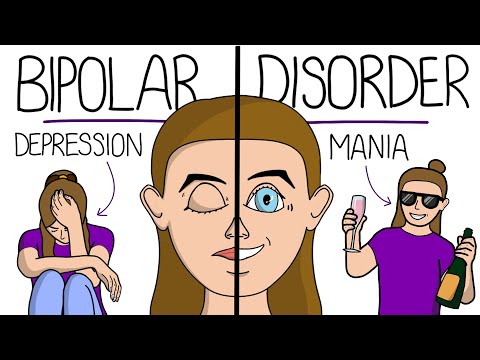
So, hey. You ever feel like your emotions are on a crazy rollercoaster? One minute you’re up, feeling invincible, and the next, you’re down and just… stuck? Yeah, it can totally mess with your head.
Let’s talk about bipolar disorder for a sec. It’s like this wild ride where your mood swings can be intense and unpredictable. And guess what? Figuring out if you have it or not isn’t always straightforward.
The DSM, which is this big book that helps pros diagnose mental health stuff, has its own way of laying it all out. But honestly? It can be a bit confusing at times. So, if you’ve been wondering how this all fits together—you’re in the right place!
Understanding DSM-5 Bipolar Disorder Criteria: Download the Comprehensive PDF Guide
Bipolar disorder is, like, a condition where mood swings go from super high to really low and can be quite intense. The DSM-5, or Diagnostic and Statistical Manual of Mental Disorders, is what most mental health professionals use to diagnose this kind of stuff. Let’s break it down.
To get a diagnosis, you need to meet specific criteria laid out in the DSM-5. Here are some key points:
- Manic Episodes: You need at least one manic episode. This means feeling overly happy or irritable for at least a week. It’s not just having a good day; it’s more like being on top of the world with tons of energy.
- Hypomanic Episodes: These are less severe than manic episodes but still involve increased energy or activity for at least four days. Think about feeling great but not totally out of control.
- Depressive Episodes: You also need to experience depressive moods lasting at least two weeks. This might look like feeling super sad, hopeless, or just not interested in anything anymore.
- Cyclothymic Disorder: Some folks might experience periods of lower-level hypomania and depression for at least two years (one year for kids). It’s like living on this emotional rollercoaster that never really stops.
- Exclusion Criteria: Their symptoms can’t be due to something else, like drugs or other medical conditions. If you’re using substances or dealing with something physical, that could mess up the diagnosis.
So why is all this important? Well, understanding these criteria helps you figure out what you’re dealing with and opens up pathways for treatment.
For instance, if you’ve ever felt on top of the world one week—like conquering mountains—and then the next felt like sinking into quicksand, that might just be part of the bipolar experience.
And here’s a little story: I once knew someone who was diagnosed with bipolar disorder after struggling with mood swings for years. At first, they didn’t think it was anything serious; they thought everyone felt this way sometimes! But after they got help and were able to understand their symptoms through those DSM-5 criteria—they realized it wasn’t just them. They learned how to manage those highs and lows better.
So yeah, knowing about bipolar disorder through the DSM-5 can help people understand themselves more clearly and seek appropriate support when they need it most!
Comprehensive Guide to DSM-5 Criteria for Bipolar II Disorder – Free PDF Download
Bipolar II Disorder is a complex condition, and understanding it can be a bit of a challenge. So, let’s break it down simply, using the DSM-5 criteria. That’s the **Diagnostic and Statistical Manual of Mental Disorders, Fifth Edition**—it’s like the handbook for diagnosing mental health conditions.
First off, to be diagnosed with Bipolar II, you need to have experienced at least one **hypomanic episode** and one major depressive episode.
Hypomanic episodes aren’t as intense as full manic episodes that you’d find in Bipolar I. You might feel really energetic or excited, but it doesn’t mess up your life too much. You could be super productive at work or maybe get really creative with your hobbies. But it’s not just about feeling good—these changes should last for at least **four consecutive days**.
Then there are the major depressive episodes. This is where things can get heavy. You might feel really down most of the day, every day for at least **two weeks**. It affects your ability to enjoy life and do everyday things. Think of how tough it is to even get out of bed or face social situations when you’re in this phase.
Now, here are some key points about these criteria:
- Duration: Hypomanic symptoms must last four days; depressive ones at least two weeks.
- No full manic episodes: If you’ve had a full manic episode before, then we’re talking Bipolar I instead.
- Severity: The mood changes have to cause noticeable distress in your life.
One thing that might surprise you is that people with Bipolar II often tend to be more depressed than hypomanic over time. It can feel like an emotional rollercoaster where you’re up high one moment and then crashing down low the next.
You could also notice that these mood swings are not triggered by drugs or other health issues—you need to rule out anything else that might mess with your head.
So picture this: Imagine someone who usually loves going out and being social suddenly becomes super introverted and can’t find joy in things they used to love—like hanging out with friends or watching their favorite shows. That’s the major depressive side creeping in.
But don’t forget about treatment options! They often include therapy—like cognitive behavioral therapy (CBT)—and sometimes medication to help manage those mood swings.
Understanding these criteria brings clarity for both individuals experiencing symptoms and their loved ones trying to make sense of it all. That way, everyone involved can better navigate this tricky road toward understanding bipolar diagnoses within the DSM framework without feeling lost or overwhelmed.
So anyway, if you’re looking for a free PDF download related to this topic? Well, while I can’t provide links here, typically such resources are available from mental health organizations or educational platforms online. Just make sure they’ve got solid references!
And always remember: If you’re feeling overwhelmed by emotional ups and downs yourself—or if someone close to you is—talking with a mental health professional can make all the difference!
Understanding DSM-5 Criteria for Bipolar Disorder: A Comprehensive Guide
Understanding the DSM-5 criteria for bipolar disorder can feel overwhelming, but it’s really just a way for mental health professionals to make sense of what someone is experiencing. Let’s break it down together.
Bipolar disorder is mainly about extreme mood swings. You have high phases called mania or hypomania, and low phases, which we call depression. The thing is, these aren’t just regular highs and lows; they can be intense and disruptive.
So, there are different types of bipolar disorder outlined in the DSM-5:
- Bipolar I Disorder: This involves at least one manic episode that lasts at least seven days or is so severe that you need immediate hospital care. You might also have depressive episodes lasting at least two weeks.
- Bipolar II Disorder: This type includes at least one major depressive episode and at least one hypomanic episode, but you won’t experience the full-blown manic episodes seen in Bipolar I.
- Cyclothymic Disorder: Here, you have periods of hypomanic symptoms and periods of depressive symptoms lasting for at least two years (or one year in kids and teens). But these symptoms don’t meet the full criteria for hypomanic or depressive episodes.
Now, let’s dive into some specifics. For a diagnosis of Bipolar I Disorder, you need to check off certain boxes like feeling overly energetic, needing less sleep, being more talkative than usual, or getting easily distracted during your manic phase.
On the flip side, during a major depressive episode—part of both Bipolar I and II—you might feel hopeless, lose interest in activities you once loved, or struggle with fatigue. It’s like riding an emotional rollercoaster that sometimes feels impossible to slow down.
Every individual experiences these moods differently; your highs might make you super productive while others could feel racing thoughts. Once my friend described a period where his creativity shot through the roof during a manic phase—he painted non-stop! But then came the crash into depression where even getting out of bed felt monumental.
What’s important to note is that these mood changes can affect your life significantly—relationships suffer; work performance fluctuates; sometimes it leads to risky behaviors during manic times.
Besides mood swings, other factors play into the diagnosis too. Symptoms should cause significant distress or impair daily functioning—you know? Like if your ability to work or maintain relationships takes a hit.
And remember: diagnosing any mental health condition isn’t just about checking off items on a list—it requires careful consideration from trained professionals who take personal history into account.
So yeah, navigating through this DSM framework isn’t exactly straightforward but understanding how bipolar disorder works can empower you—or someone close—to seek help and understand what’s going on when those waves hit hard. It really helps put things in perspective!
Alright, let’s talk about navigating a bipolar diagnosis within those DSM frameworks. You know, when someone gets hit with a bipolar diagnosis, it can feel like being tossed onto a rollercoaster with no warning sign. One moment, you’re riding high on a wave of energy and creativity; the next, you’re plunged into that deep valley of despair. The ups and downs can be exhausting and confusing.
Now, the DSM—basically the Diagnostic and Statistical Manual of Mental Disorders—is like the ultimate playbook for mental health professionals. It lays out what bipolar disorder looks like and how to classify it. But here’s the thing: labels can be helpful but also a bit limiting. It’s one way to make sense of all those wild emotional swings, but it doesn’t capture every single experience you might have.
Let’s say we consider someone I know—a good friend who was recently diagnosed with bipolar II disorder. She shared how overwhelming it felt to hear those words from her therapist: “You have bipolar.” At first, she felt relieved—it gave her some answers to why her moods were so erratic. But then came the doubt: “Am I really this label? What does this mean for my life?” Seriously, figuring out how you fit into that framework is no walk in the park.
The DSM outlines things like depressive episodes and hypomania—those periods where everything feels awesome but might just be a bit too much caffeine-fueled excitement. But not every experience lines up perfectly in neat little boxes. Sometimes, emotions swirl together in a chaotic mix that just doesn’t match what’s written in that manual.
And let’s not even start on how other people react when they hear “bipolar.” That stigma can feel like an extra weight on your shoulders—it’s tough enough dealing with your own feelings without worrying about others’ judgments or misconceptions.
So navigating that diagnosis? It’s kind of like trying to find your way through a dense fog. You’ve got to take it one step at a time, figure out what works for you beyond just what the DSM says. Finding support—whether through therapy, friends who understand (or even don’t), or communities online—can really help peel back some layers.
At the end of the day, being diagnosed doesn’t define you; it’s part of your story but not the whole book. Learning about yourself is where real deep diving happens—beyond any manual or framework—and that’s where you’ll find your own path forward through all those highs and lows.