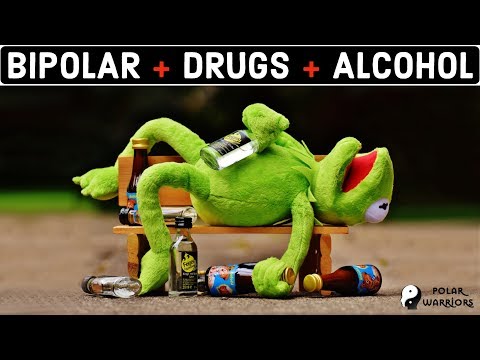
So, let’s talk about something that doesn’t get enough air time: bipolar disorder and substance abuse. It’s a tangled mess, honestly. Like, picture trying to untangle a bunch of headphones after you stuffed them in your bag.
Seriously, people living with bipolar disorder often find themselves in this wild cycle with substances. Some may use drugs or alcohol to manage their moods—or just to escape for a bit. But it doesn’t always go as planned, right?
And that’s where things get tricky. It’s like adding fuel to a fire that’s already blazing. This combination can lead to all sorts of challenges, emotionally and physically. There are ups and downs—literally—and it can be exhausting!
Trust me; there’s so much more to unpack here. Let’s dig into how these two really intertwine and what it means for those affected by both.
Understanding the Connection Between Bipolar Disorder and Substance Abuse: Causes, Effects, and Treatment Options
Alright, let’s chat about the connection between bipolar disorder and substance abuse. It’s a pretty complicated relationship, and understanding it can really help in addressing both issues.
First off, **bipolar disorder** is characterized by extreme mood swings. You can feel on top of the world during a manic phase, but then hit rock bottom during a depressive episode. This rollercoaster ride can make someone more vulnerable to using substances as a way to cope. You know how it feels when you want to escape? Well, for some folks with bipolar disorder, drugs or alcohol might seem like an easy way to manage those intense feelings.
**Substance abuse** often appears in people with bipolar disorder for several reasons:
- Self-medication: Many people try to manage their mood swings by using alcohol or drugs. They think it’ll help calm those high highs or lift them out of low lows.
- Impulsivity: During manic phases, individuals might engage in risky behaviors, including experimenting with substances without thinking about the consequences.
- Coping mechanism: When feeling overwhelmed or depressed, some may turn to substances as a form of relief or distraction.
Now, let’s talk effects. Substance abuse can seriously mess with both your mental health and treatment outcomes. It can increase the severity of bipolar symptoms and lead to more frequent mood swings. For example, if you’re drinking heavily while on medication for bipolar disorder, you might find that your meds just don’t work as well—or at all.
Here’s the kicker: the combination of these two issues can create a vicious cycle. The substance use worsens the bipolar symptoms, which then leads to increased substance use as people try to feel better. It’s like being stuck in quicksand; the more you struggle, the deeper you sink.
So what about treatment options? Tackling both conditions is crucial for recovery. Some effective approaches include:
- Integrated treatment: This means finding professionals who treat both mental disorders and substance use together instead of separately.
- Cognitive-behavioral therapy (CBT): CBT helps change negative thinking patterns and behaviors related to both bipolar disorder and substance use—super helpful!
- Medications: Doctors might prescribe mood stabilizers alongside treatments for addiction when necessary.
One thing that really matters here is support from family and friends. Having someone in your corner can make all the difference when facing these challenges head-on.
In summary—yeah, it’s tough out there! But understanding this connection helps create paths towards healing and coping safely. It’s all about getting that right kind of help so you don’t have to navigate this alone.
Understanding the Connection Between Bipolar Disorder and Victim Complex: Myths vs. Reality
Understanding the connection between bipolar disorder and victim complex is a bit tricky. There are a lot of myths out there that can make things sound way more complicated than they really are. So, let’s break it down together.
First, let’s talk about bipolar disorder. This condition involves extreme mood swings. One minute you might feel on top of the world during a manic phase, and the next, you could be in a deep depression. It’s really tough because it can affect your everyday life—relationships, work, everything. People with bipolar disorder may sometimes find themselves feeling like they’re being victimized by their own emotions or circumstances.
Now, what about this victim complex? Well, it refers to when someone feels like they’re constantly being wronged or mistreated by others. The thing is, having bipolar disorder doesn’t automatically mean someone will develop a victim complex. But those mood swings can lead to situations where a person might feel misunderstood or overlooked.
Here’s where it gets interesting:
- The Myth: All people with bipolar disorder have a victim mentality.
- The Reality: Not everyone with bipolar sees themselves as victims. Many are incredibly resilient and work hard to manage their condition.
- The Myth: People with bipolar use their condition as an excuse.
- The Reality: While some may struggle with accountability during manic or depressed phases, it doesn’t mean they’re just making excuses.
Imagine someone named Jake who has been living with bipolar disorder for several years. During his manic episodes, he feels unstoppable. But when that depression hits hard? He starts to believe that the world is against him; he feels like nothing good ever happens for him. It’s easy for someone in his shoes to slip into a mindset where he thinks he’s being treated unfairly all the time.
But here’s something crucial: not all of this feeling comes from being manipulative or overly dramatic. Those intense emotions can genuinely cloud judgment and shape perceptions of reality.
It’s also worth mentioning how substance abuse plays into this mix sometimes. That’s another layer to consider when discussing both conditions together. For some folks with bipolar disorder who also struggle with *substance issues*, substances can worsen symptoms and even exacerbate feelings of victimization.
Think about someone like Mia who drinks heavily to cope with her mood swings. When she’s tipsy or hungover, she might feel even more vulnerable and think everyone’s out to get her—leading her deeper into that pit of feeling like a victim.
So while there is some connection between these two experiences, it’s essential not to paint everyone with the same brush. Each person deals differently; understanding comes through empathy and awareness rather than assumptions based on myths.
In short, you can’t just link bipolar disorder directly to having a victim complex like they’re best buds hanging out together all the time. They might intersect occasionally because of how mental health works but remember—it varies from person to person!
Understanding Bipolar Disorder: Common Comorbid Conditions Explained
Bipolar disorder can be quite the rollercoaster, right? You’ve got those intense highs, or manic episodes, where you feel invincible and super energetic. Then there are the lows, those depressive phases that seriously drag you down. But here’s the kicker: it doesn’t often come alone. There are common comorbid conditions that can hang out alongside bipolar disorder, making things even more complicated.
Let’s talk about **substance abuse** first. This is a big one. Many people with bipolar disorder might turn to drugs or alcohol as a way to cope with their feelings or try to escape the intensity of their emotions. The thing is, this relationship can really complicate treatment and lead to worse outcomes overall.
- Self-medication: Some folks think substances will help manage their mood swings. But instead of helping, it usually makes things messier.
- Worsening symptoms: Using drugs or alcohol can amplify the emotional symptoms of bipolar disorder. That means when you’re up, you might be way too up, and when you’re down? Oof.
- Difficulties in diagnosis: When someone is abusing substances, it can be tricky for doctors to tell what’s what. Is it bipolar disorder acting up or just the effects of drugs?
Another common condition? **Anxiety disorders** often play tag with bipolar disorder. You might feel this gnawing sense of worry all the time. The anxiety can kick in during both manic and depressive phases—making everything feel twice as tough.
- Panic attacks: Some people with bipolar also deal with panic attacks that hit outta nowhere, leaving them feeling completely overwhelmed.
- Obsessive-compulsive traits: A fair number of folks wrestle with obsessive thoughts or compulsive behaviors while riding out their mood swings.
And let’s not forget about **ADHD** (Attention-Deficit/Hyperactivity Disorder). This combo often leads to some chaotic experiences for those dealing with both disorders.
- Impulsivity: People may act on whims without thinking things through—especially in manic phases.
- Trouble focusing: Staying on task becomes a challenge when your mind feels like it’s jumping from one thought to another.
Then there’s **eating disorders**, which sometimes pop up in people struggling with bipolar disorder too. Whether it’s binge eating or avoiding food altogether, these patterns can complicate both mental and physical health.
- Coping mechanism: Eating habits may change as a way to cope with overwhelming feelings.
- Mood swings affecting appetite: Sometimes depression brings a loss of interest in food while mania might lead to impulsive eating choices.
Last but not least is **personality disorders** like borderline personality disorder (BPD). They’re kind of like uninvited guests at your party who make everything more complicated.
- Mood instability: Both conditions share similar symptoms like intense emotions and unstable relationships.
- Treatment challenges: Having multiple diagnoses can make finding effective treatments tougher since different conditions may require different approaches!
So if you’re navigating life with bipolar disorder and one (or more) of these co-occurring conditions, it definitely adds layers to what you’re dealing with every day. Reaching out for tailored support—like therapy that addresses both bipolar symptoms and whatever else is going on—is crucial. Remember, tackling these challenges head-on isn’t just possible; it can lead to better overall health and happiness!
Bipolar disorder can be a pretty intense experience. You might feel on top of the world one moment, then suddenly crash into a deep pit of despair. It’s like a roller coaster that never ends, and sometimes people reach for substances—alcohol, drugs, you name it—to help manage those wild ups and downs. But that’s where things get tricky.
I remember chatting with a friend who struggled with bipolar disorder. She’d talk about those high-energy manic phases when everything felt possible, like she could conquer the universe. But when the lows hit, it was like being stuck under a heavy blanket that wouldn’t budge. During those times, she’d often turn to drinking to dull the pain or numb out the chaos in her brain. It seemed like a quick fix, but it ended up complicating things even more.
You see, mixing bipolar disorder with substance abuse can create a perfect storm. For some folks, alcohol or drugs might provide temporary relief from overwhelming emotions or racing thoughts—but they often make symptoms worse in the long run. This cycle can lead to more mood swings and even increase the risk of severe episodes.
Plus, here’s another kicker: treatment becomes way more complicated when substances are involved. Doctors need to consider everything since some medications for bipolar disorder don’t play nice with certain drugs or alcohol.
It’s super important to find healthier coping strategies—like therapy or support groups—that can help in managing both issues at once without adding fuel to the fire. If you’re struggling or know someone who is, reaching out for help is key. In the end, dealing with both bipolar disorder and substance use is all about finding balance and hopefully steering clear of those dark places while navigating this crazy ride we call life.