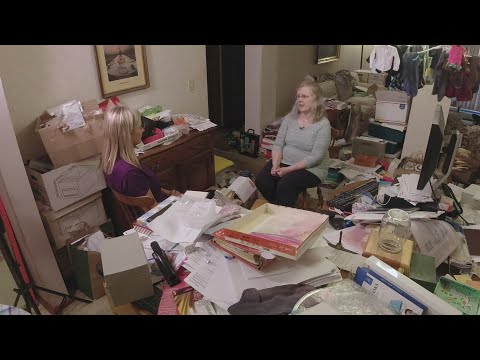
You know those days when your mind just feels like a rollercoaster? Up and down, all around? That’s kinda what living with bipolar disorder can feel like. And then there’s this other thing that often tags along: hoarding behavior.
It sounds wild, right? Hoarding isn’t just about collecting things or being messy. It’s way deeper and often tied to heavier emotions. I mean, think about it. You’re already battling the highs and lows of your mood, and then there’s this cluttered space filled with stuff you just can’t part with.
The thing is, it can be really tough to understand how these two pieces connect. So let’s chat about it—addressing both bipolar disorder and hoarding behavior feels like peeling an onion. There are layers to uncover, you know? Grab a coffee or tea and let’s dig in!
10 Phrases to Avoid When Talking to a Hoarder: Navigating Conversations with Compassion
When chatting with someone who hoards, especially if they’re also dealing with bipolar disorder, it’s super important to choose your words wisely. The way you phrase things can really make a difference in how they feel and respond. So, here are some phrases you might want to steer clear of:
- “Just throw it all away. This can come off as dismissive. You have to realize that every item holds meaning for them—letting go isn’t just about the stuff; it’s emotional.
- “Why can’t you just get organized? It sounds simple in theory, but for someone struggling with hoarding, disorganization is part of a deeper issue. It’s not a matter of willpower.
- “You’re making a mess! This feels like an attack. Approach the conversation gently rather than pointing fingers. Focus more on their feelings than the clutter.
- “You need help. Sure, they might need support, but saying this outright can make them feel judged. Instead, express concern without labeling their behavior.
- “This is so unnecessary. What seems unnecessary to you might be essential for them. Try to understand their perspective instead of critiquing it immediately.
- “You wouldn’t want a friend living like this. Comparisons can sting; people think they’re being judged based on societal norms. Focus on their needs and feelings rather than societal expectations.
- “I don’t understand why you can’t let go. You likely won’t grasp all the emotional ties right away. Show empathy and patience instead of demanding understanding from them.
- “Don’t you want to live better? While it’s aimed at helping them improve their quality of life, it may sound condescending or patronizing. Ask what living better means to them instead!
- “It’s not that bad! Minimizing their situation invalidates what they feel. Their experience is real, and acknowledging that matters more than debating severity.
- “You should be ashamed. This judgmental statement only adds pressure and guilt, which won’t lead to change—only more withdrawal.
Remember that hoarding isn’t just about keeping things; it’s tied deeply with emotions and mental health challenges like bipolar disorder. Approach these conversations with empathy and understanding.
Imagine talking to someone who’s holding onto items because they feel those things give them control in a chaotic world—like finding comfort in an unmade bed when every other part of life feels overwhelming. That connection means navigating these chats with care.
Being supportive takes time and patience—don’t rush it! Create a safe space where they can open up about why they hold onto things without feeling judged or rushed toward some “solution.
Top Medications for Treating Hoarding Disorder: What You Need to Know
Hoarding disorder can really mess with your life. It’s not just about collecting stuff; it’s a mental health issue that can happen alongside other conditions, like bipolar disorder. You know, when you’re feeling high and happy one day, and then down in the dumps the next? This might add to the chaos of hoarding behaviors.
Now, let’s talk about medications. There isn’t a magic pill to fix hoarding disorder itself. But certain medications can help manage symptoms, especially if there are underlying issues like anxiety or depression involved. Here’s the deal:
- SSRIs (Selective Serotonin Reuptake Inhibitors) – These are often used to treat anxiety and depression. For folks with hoarding tendencies, drugs like fluoxetine (Prozac) or sertraline (Zoloft) might help reduce those intense feelings that lead to hoarding.
- Clomipramine – This is an older antidepressant often used for OCD, but it can also be beneficial for hoarding. It can help by decreasing compulsive behaviors and might make it easier for someone to part with their possessions.
- Atypical Antipsychotics – Medications like olanzapine or quetiapine may be prescribed for those dealing with bipolar disorder that also has severe hoarding symptoms. They might help stabilize mood swings which could reduce impulsive hoarding behavior.
- Cognitive Behavioral Therapy (CBT) – While not a med per se, CBT is super important in treating hoarding disorder—especially when paired with medication. It helps change those thought patterns that make it hard to let go of things.
Here’s a little story: I knew someone who struggled with both bipolar disorder and a serious inability to throw anything away. Their home was stuffed full of newspapers, clothes—just tons of stuff! When they started taking an SSRI along with some therapy sessions focusing on CBT techniques, they found themselves feeling calmer during clear-out sessions.
That said, medication isn’t always straightforward. Everyone responds differently; what works wonders for one person might not even touch another’s symptoms. Side effects matter too! Some people experience weight gain or fatigue from certain SSRIs or other meds.
Always keep in mind that good mental health care means working closely with doctors who understand your unique situation. Finding the right mix of therapy and meds takes time but makes a huge difference.
If you or someone you know is wrestling with these challenges—reach out for support! The journey through hoarding disorder is tough, but there are options out there waiting to be explored together!
Understanding the Progression of Hoarding Disorder: Does Age Intensify the Challenge?
Hoarding disorder is a tricky condition, you know? It’s when someone has a hard time letting go of stuff, sometimes to the point where it interferes with daily life. When we dive into how age impacts this disorder, things get pretty interesting. Especially when it’s mixed with other issues like bipolar disorder.
First off, let’s break down hoarding behavior a bit. It often starts small. You might hang onto some old magazines or clothes that don’t fit anymore. But over time, those little habits can snowball into a chaotic living space filled with things you can’t even remember acquiring. And this isn’t just about being messy; it involves deep emotional struggles around attachment and anxiety.
Now, as people get older, the challenges can intensify for several reasons:
- Life Changes: Older adults often face significant life changes like retirement or losing loved ones. These events can trigger feelings of loneliness or loss, making them more likely to cling to possessions.
- Cognitive Decline: For some folks, cognitive decline is part of aging—forgetting where things go or even what they own can complicate clutter issues.
- Social Isolation: Aging can lead to isolation too! Less social interaction might mean there’s less pressure to keep spaces tidy since no one is visiting often.
Now, mix in bipolar disorder. This condition causes mood swings that can affect decision-making and impulse control. Someone in a manic phase might be tempted to collect more items or impulsively buy things they don’t need—like checking out at a store with random stuff piled high in their cart.
Picture someone who’s just come out of a manic episode and now feels the weight of their possessions bearing down on them during a depressive phase—they may struggle more than ever with throwing anything away.
It’s not uncommon for people dealing with bipolar disorder to have hoarding tendencies as well as emotional ups and downs that exacerbate those tendencies over time.
So yeah, if you’re looking at the intersection of aging and hoarding behavior coupled with bipolar disorder, you’re looking at an uphill battle—especially when it comes to breaking old habits and creating healthier living spaces.
In summary, understanding the progression of hoarding disorder really calls for compassion and awareness. Both age and mental health conditions like bipolar disorder play significant roles in this complex relationship between attachment and letting go.
The road isn’t easy for anyone grappling with these challenges but recognizing the impact age has on hoarding behaviors is key to helping them find better paths forward.
Bipolar disorder can really shake things up in a person’s life, you know? It’s like you’re on this rollercoaster of emotions—highs that make you feel unstoppable and lows that can be pretty crushing. But there’s another side to it that doesn’t always get talked about enough: hoarding behavior.
I remember a friend of mine, let’s call him Jake. He was this creative soul, bursting with ideas during his manic phases. Everything seemed possible! But when he hit those depressive lows, he started holding onto anything he could find—old newspapers, broken gadgets, clothes he hadn’t worn in years. His apartment turned into a maze of stuff. It was overwhelming for him and honestly kind of scary to see how much space these things took up both physically and mentally.
Hoarding in the context of bipolar disorder can be tough because it often flares up during certain phases. When Jake was high-energy, he’d buy all sorts of things without a second thought—impulse purchases galore! But once the mood shifted, organizing or getting rid of any clutter felt draining and impossible. So, it piled up.
What’s frustrating is that hoarding isn’t just about being messy or disorganized; it often ties back to deeper emotional struggles. For someone with bipolar disorder, it might stem from the need to hold onto memories or feelings when life feels unstable. You might think, “If I keep this stuff, maybe I can hold onto who I am.” It’s kind of heartbreaking when you realize it’s about protection in a world that feels so unpredictable.
But here’s where it gets tricky: not addressing hoarding behavior can lead to more isolation during those depressive moods—like building walls around yourself with all that stuff. I saw it happen with Jake; as his space filled up, so did his feelings of loneliness and shame.
It’s not easy navigating this combination—bipolar disorder and tendency towards hoarding—so support looks different for everyone involved. Therapy can help untangle those emotional connections to objects while finding healthier ways to cope with life’s ups and downs.
At the end of the day, dealing with both bipolar disorder and hoarding takes patience—for yourself and those around you too. Just remember it’s okay to lean on others; reaching out for help is never a sign of weakness but truly an act of courage.