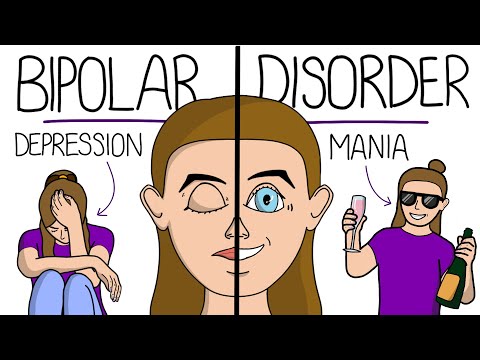
So, let’s talk about bipolar disorder for a sec. It’s one of those things that gets tossed around a lot, but there’s more to it than just mood swings.
You know when you flip from feeling super high to crashing down low? Well, that’s basically what bipolar is all about. But wait—there’s a twist. Sometimes, people with bipolar disorder experience psychotic features.
Yeah, it sounds intense, right? It can be pretty wild and confusing for those living it and their loved ones. I mean, imagine being on top of the world one moment and then seeing or hearing things that aren’t really there the next.
That’s where the DSM-5 comes in handy; it breaks everything down in a way that’s easier to understand. So let’s dig into what this all means—trust me, it helps to know!
Exploring the Connection Between Bipolar Disorder and High Achievement: Myths and Realities
Bipolar disorder, you know, is often seen through a kind of complicated lens. It’s that mental health condition that makes your mood swing from really high to really low. But when it comes to linking bipolar disorder with high achievement, there are a lot of myths out there that we really need to clear up.
First off, one common myth is that *all* people with bipolar disorder are somehow more creative or successful than others. Sure, some may channel their intense emotions into productive work or art, but that’s not a universal truth. Everyone’s journey looks different! High achievement can happen in anyone’s life, regardless of their mental health condition or lack thereof.
Bipolar Disorder with Psychotic Features—that’s in the DSM-5, by the way—adds another layer here. When someone experiences psychotic features during their manic or depressive episodes, it can get pretty serious. It’s not just about feeling “up” or “down”—it can include delusions or hallucinations that distort reality. This is definitely a challenge for anyone striving for high achievement!
People often look at famous individuals who have lived with bipolar disorder and think: «See? If they can do it, so can I!» But here’s the thing: those stories often overlook the struggles individuals face daily and how hard they fight to maintain stability. For instance:
- Their high points might inspire creativity and innovation.
- But during lows, they may struggle just to get out of bed.
- Even when they achieve something great, managing ongoing treatment is crucial.
The reality is that bipolar disorder affects functioning in various ways. Some folks might find their manic phase boosts productivity in bursts; others could find it leads to burnout and chaos. It’s a rollercoaster ride! Just think about a friend who gets super excited about an idea but then feels lost when the excitement fades away.
Another thing people don’t realize is that achieving success while living with bipolar disorder often requires extensive support systems—like therapy and medication management—to navigate both sides effectively. It’s almost like trying to balance on a seesaw without falling off!
So let’s flip the script on these myths: while some individuals may use aspects of their condition toward achieving great things, it does not mean everyone will experience this connection positively—or even consistently!
At the end of the day, bipolar disorder is complex. It comes with challenges that impact every area of life including relationships and career goals. Instead of romanticizing the link between high achievement and bipolar disorder, we should focus more on understanding how this reality plays out differently for each person coping with this condition.
Recognizing these nuances will help more people navigate their own paths without feeling pressured by societal expectations around success or creativity tied to mental illness!
Understanding Bipolar 1 Disorder with Psychotic Features: Key Criteria Explained
Bipolar I disorder with psychotic features is a complex mental health condition that can be pretty tough to understand. So let’s break it down, shall we?
First off, what is Bipolar I Disorder? Well, it’s a type of mood disorder that involves extreme mood swings. You might experience intense highs (called mania or hypomania) and deep lows (depression). The highs can feel exhilarating at first, but they often lead to trouble down the line.
Now, what about the psychotic features? This basically means that during your manic or depressive episodes, you might experience some sort of altered reality. We’re talking hallucinations (seeing or hearing things that aren’t there) or delusions (holding strong beliefs in things that aren’t true). Imagine feeling like you’re on top of the world one second and then convinced that people are out to get you the next—that’s the kind of rollercoaster ride we’re talking about.
Here are some key criteria straight from the DSM-5, which is what mental health professionals use to diagnose these conditions:
- Manic Episode: To be diagnosed with Bipolar I Disorder, you need to have had at least one manic episode. This usually lasts for at least a week and involves an elevated mood, increased energy, and sometimes risky behavior.
- Psychotic Features: If psychotic features are present during this episode, it means you’re experiencing hallucinations or delusions. For example, if you believe you have special powers or if voices tell you what to do.
- Duration: The symptoms can fluctuate. You might have long stretches where you feel fine in between episodes.
- Impact on Life: These episodes significantly interfere with your daily life—think work relationships and social interactions.
Imagine this: Sarah has Bipolar I Disorder. During her manic phases, she feels invincible and stays up all night crafting elaborate plans for starting a new business. But then comes the drop; when she sinks into depression for weeks, cutting herself off from her friends. One time during a manic episode, she started hearing whispers about how she was destined for greatness—a classic example of those psychotic features showing up.
It’s also important to highlight that treatment usually involves medication like mood stabilizers and therapy tailored specifically for bipolar disorder. It’s not something you tackle alone; having a support system is essential.
Understanding this condition means recognizing how serious it can be while also knowing there’s help available. If it feels overwhelming sometimes—well that’s totally normal! You’re not alone in this journey; many others navigate similar paths.
So remember: Bipolar I Disorder with psychotic features is more than just mood swings; it’s about wrestling with reality itself during those tough times. And acknowledging those struggles is a vital step toward getting the support you really need!
Understanding the DSM-5 Criteria for Bipolar Disorder with Psychotic Features: A Comprehensive Guide
Bipolar disorder is one of those mental health conditions that can really shake things up in someone’s life. When we talk about **bipolar disorder with psychotic features**, we’re diving into a more complex realm where mood swings are intense, and reality can get a little distorted. The DSM-5, which is basically the handbook for mental health professionals, lays out specific criteria to help make sense of it all.
So, let’s break this down!
Bipolar Disorder Basics
Firstly, bipolar disorder generally involves mood episodes that swing from mania to depression. You might feel on top of the world during manic phases and then hit rock bottom in depressive ones. It’s like being on a rollercoaster that you didn’t sign up for.
Now, when psychotic features enter the picture, things get even trickier. Psychotic features can include hallucinations—hearing or seeing things that aren’t there—or delusions—strong beliefs in things that simply aren’t true.
DSM-5 Criteria
To officially diagnose bipolar disorder with psychotic features according to the DSM-5, here’s what needs to be considered:
- Manic Episode: There has to be at least one manic episode. This episode is characterized by an elevated mood or irritability lasting at least one week (or shorter if hospitalization is needed). It’s not just feeling happy; it’s like you’re invincible.
- Depressive Episode: A person must have also experienced a major depressive episode. This adds another layer where they might feel hopeless, lose interest in almost everything, and even experience significant weight changes or sleep disturbances.
- Psychotic Features: During either manic or depressive episodes (or sometimes both), the individual has to show signs of psychosis. Imagine someone who believes they have special powers during a manic episode or someone who feels deeply convinced they are worthless during a depressive phase.
- No Substance Use: It’s important that these symptoms aren’t due to drugs or medications. Sometimes substance use can mimic these symptoms but isn’t the root cause.
- No Other Conditions: Lastly, there can’t be any other mental disorders that better explain these symptoms. The diagnosis needs to fit snugly within the bipolar category.
Anecdote Time!
Let me tell you about my friend Jamie (not their real name). Jamie was once all over the place with emotions—happy as a lark one day and then drowning in sadness the next. Things got really intense when Jamie started hearing voices during a particularly high-energy phase; it freaked them out! After some time and therapy, they learned these experiences came from their bipolar disorder with psychotic features. It wasn’t easy for Jamie; understanding those experiences went a long way toward managing them.
Treatment Options
With proper treatment—including therapy and medication—people like Jamie can find ways to cope better with their symptoms. Therapy might focus on recognizing triggers and developing coping strategies while medications help stabilize mood swings and manage psychosis.
In short, if you or someone you know struggles with bipolar disorder accompanied by psychotic features, it’s vital to reach out for support from professionals who understand this complex condition. You’re not alone in navigating this challenging experience!
Bipolar disorder is one of those terms you hear tossed around a lot, but it’s way more complex than just mood swings. So, let’s break it down, especially when we throw in the whole “psychotic features” part.
Imagine waking up one day feeling like you could conquer the world—pure energy, tons of ideas flying around in your head. You’re talking a mile a minute and thinking everyone should be as excited as you are! But then, just like that—bam! You hit rock bottom. Everything feels heavy; you can’t find the energy to get out of bed. It’s like your brain is on a rollercoaster with no brakes.
Now, if you’re dealing with bipolar disorder with psychotic features, that rollercoaster ride can take some pretty wild turns. What makes this version particularly intense is the presence of psychosis during those high or low phases. So, during a manic episode, for instance, you might experience hallucinations or delusions—feeling superhuman or convinced that you have some kind of special mission.
When the DSM-5 talks about this condition, it lays out specific criteria for diagnosing it. Basically, they look for mood episodes (both manic and depressive) mixed with these psychotic features. It’s not just about feeling down or overly happy; it’s how those moods warp your perception of reality.
I remember chatting with someone who lived through this firsthand. They described how they’d feel invincible during their manic periods but would later realize they’d said wild things to friends based on false beliefs—like thinking they were being followed by a secret agency! Just wow… it’s like living in an action movie that’s spiraled out of control.
And as if navigating mood swings weren’t enough on their own! The added layer of psychosis can make it super hard to maintain relationships or keep a job because there are times when reality feels so skewed that interacting with others becomes tricky. Plus, treatment can be quite the journey since managing symptoms often involves therapy and medications that might help stabilize mood without completely dulling the person’s spirit.
So yeah, if you ever hear someone say “bipolar disorder with psychotic features,” just know there’s so much more beneath the surface than meets the eye—or ear! If you’re or someone you know is grappling with this messiness called life, remember there’s hope and help out there—you’re definitely not alone in this fight.