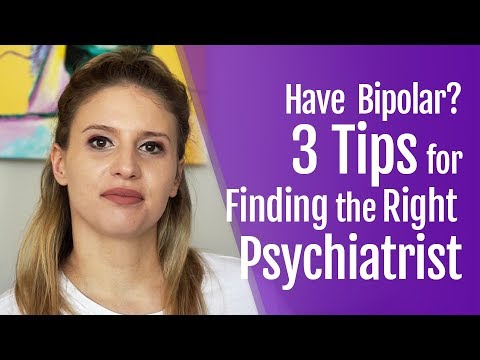
So, you’re in the thick of it, huh? Dealing with the ups and downs of bipolar can feel like a rollercoaster ride.
Finding the right psychiatrist makes a world of difference. Seriously, having someone in your corner who gets it? Game changer.
But navigating this whole process can be overwhelming. You might be wondering where to even start looking for someone who understands your unique needs.
No worries! I’ve got your back. Let’s figure out how to find those bipolar-friendly psychiatrists nearby, so you can get the support you need.
Finding the Right Child Psychiatrist in Prescott, AZ: A Guide for Parents
Finding the right child psychiatrist for your little one can feel like a daunting task, especially in a place like Prescott, AZ. But don’t worry—you’re not alone in this. You want someone who can really understand your child’s needs, especially if you’re dealing with something as complex as bipolar disorder. So, let’s break this down.
Know What You’re Looking For
First off, it’s essential to know what you need. Not all psychiatrists specialize in the same areas. When it comes to bipolar disorder in kids, you’ll want someone who has experience handling mood disorders specifically. They should understand the unique way these issues can show up in children, which is often different from adults.
Researching Options
Start by checking out local resources. Websites like Psychology Today or local mental health directories often have listings of child psychiatrists in your area. You can filter them based on specialties and read a bit about their backgrounds. Look for signs that they regularly work with kids dealing with mood swings and emotional regulation—this is crucial.
Consult Your Pediatrician
Your child’s pediatrician can be a great ally here! They usually have a network of trusted psychiatrists they refer families to. Plus, since they know your child’s medical history, they might point you toward someone who fits just right.
Ask Questions
Once you have a few names down, don’t be shy about reaching out to them or their offices! Ask questions like:
- What is your experience with treating children who have bipolar disorder?
- What kind of treatment approaches do you use?
- How do you involve parents in the treatment process?
These questions can give you insights into how they work and whether their approach feels comfortable for you and your kiddo.
The Right Vibe Matters
When you finally meet the psychiatrist, pay attention to how your child interacts with them. It’s super important that the atmosphere feels welcoming. If your child feels comfortable talking and opening up, that’s already half the battle won!
I remember when my friend was looking for help for her son who was struggling with his emotions—it felt overwhelming at first! But she eventually found a great psychiatrist who not only clicked with her kid but also made her feel heard as a parent too. That connection made all the difference!
Check Credentials
Don’t skip over this part! Make sure that whoever you’re considering is board-certified in psychiatry and holds licenses specific to Arizona laws regarding mental health professionals working with children.
Consider Logistics
Think about practical stuff too—like location and availability for appointments. Prescott isn’t huge but still has its share of traffic sometimes (you know?), so finding someone close by can save precious time on busy days.
Finding the right psychiatrist isn’t always quick or easy; it might take some trial and error before things click into place. But remember—this process is about getting your kiddo the best support possible to thrive emotionally and mentally! Hang in there; you’ll get there!
Exploring Mental Health Resources and Support in Prescott: A Comprehensive Guide
Finding mental health resources can feel overwhelming, especially in a place like Prescott. You want to make sure you’re getting the right support. If you’re looking for bipolar-friendly psychiatrists, it’s good to know where to start. Here’s a rundown of what you can find in Prescott.
First off, **local mental health clinics** are a great spot to check out. They typically have a team of professionals who understand various conditions, including bipolar disorder. Look for places that specifically mention mood disorders in their services.
You might also consider **private practices**. Many psychiatrists work on their own and offer tailored care for patients with bipolar disorder. Sometimes, they might even specialize in specific aspects of it, like medication management or therapy techniques that work well with the condition.
Another resource is **community organizations** focused on mental health. In Prescott, there are local groups that provide support and information on bipolar disorder. Connecting with others who understand your experience can be so validating and help you feel less alone.
Don’t forget about **online directories**! Websites like Psychology Today or TherapyDen allow you to filter searches by location and specialties—like finding someone who has experience with bipolar disorder specifically. Just type «Prescott” into the search bar along with your needs.
You might also want to explore **support groups** in the area. These gatherings can be therapeutic; just talking about what you’re going through can sometimes lighten the load. Check if local hospitals or community centers host these sessions regularly.
Another option is your primary care physician. They often have connections and can recommend psychiatrists who understand bipolar disorder well. It’s totally okay to ask them directly for a referral tailored to your needs!
Lastly, remember that **telehealth services** have become super popular recently and offer excellent flexibility. If you’re struggling to find someone nearby, many professionals now provide virtual appointments which open up a whole new range of specialists across state lines.
In Prescott, whether you lean towards clinics, private practices, or even community support systems, there’s help available for managing bipolar disorder effectively—what matters most is reaching out when you need it!
Exploring Behavioral Health Services in Prescott Valley: A Guide to Mental Wellness
When you’re navigating the ups and downs of mental wellness, especially if you’re dealing with something like bipolar disorder, finding the right support in Prescott Valley can feel a bit overwhelming. You’re looking for help that feels right for you, and that’s totally understandable.
Start by understanding what **behavioral health services** actually cover. They focus on supporting mental health through various therapies and medications tailored to individual needs. This means you might want to look into places that specialize in conditions like bipolar disorder, where the treatments can be really specific.
Now, let’s break down some key resources you might consider:
- Psychiatrists: These are the doctors who can prescribe medications and help manage your treatment plan. Look for psychiatrists who have experience with bipolar disorder.
- Therapists: Whether it’s talk therapy or cognitive-behavioral therapy (CBT), you want someone who understands the nuances of bipolar disorder. Therapists can help you develop coping strategies.
- Support groups: Connecting with others going through similar struggles can be really comforting. There are often local groups where people share their experiences and support each other.
Finding **bipolar-friendly psychiatrists** is crucial. You’ll want someone who not only knows about medications but also how to handle any side effects or mood swings that come along with them. A strong relationship with your psychiatrist can make a huge difference in managing your symptoms.
Let’s say you’ve found a potential psychiatrist in Prescott Valley—what next? It makes sense to go for an initial consultation first; this helps ya get a feel for their approach and see if it clicks with your needs. Don’t hesitate to ask them questions about their experience treating bipolar disorder specifically. It’s super important they understand both ends of the spectrum—those high-energy moments as well as the lows.
Another thing to keep in mind is insurance coverage. Don’t shy away from checking what behavioral health services are covered under your plan in Prescott Valley, because therapy and medication can add up fast without proper coverage.
And hey, maybe you’ve heard of certain online platforms where you can find behavioral health providers? They often allow filtering by specialties, which could make it easier to find something specifically tailored to bipolar wellness.
Lastly, remember this isn’t just about finding a practitioner; it’s about feeling supported through your journey. There might be bumps along the way, but having the right people around can truly make a difference in how well you navigate those twists and turns.
So there it is! Exploring behavioral health services in Prescott Valley doesn’t have to be daunting when you know what you’re looking for—and remember that seeking help is a sign of strength!
So, here’s the deal: finding a psychiatrist who gets bipolar disorder can be, well, kinda tricky. You want someone who really understands the ups and downs of it all. I mean, it’s not just about popping a pill and calling it a day. It’s a whole journey, you know?
I remember my friend Sam struggled with this for ages. He went through like three different psychiatrists before he found one that actually clicked with him. At first, he thought they were all just reading scripts from some textbook on mental health. No real connection. Just textbook stuff.
But then he found this doctor who took the time to really listen to him—like not just in a “tell me your symptoms” kind of way, but in a “let’s chat about your life and how this affects you” way. That made all the difference for him! Like when you’re feeling super manic or low, you need someone who gets what that feels like firsthand.
When looking for a bipolar-friendly psychiatrist near you, start by asking around—friends or even family might have some leads. If that feels too personal, try online forums or groups where people share their experiences. You can also check out reviews on mental health websites; those can give insight into how other patients felt about their care.
And don’t forget to look at specialties! Some psychiatrists focus on mood disorders specifically, which is totally what you want when navigating bipolar challenges. When you’re interviewing potential candidates—yeah, I said interviewing—ask questions about their approach to treatment and whether they involve therapy or prefer just medication management.
It might take some time to find your right match. But trust me when I say it’s worth it in the end! Because having someone who understands those highs and lows? That can be life-changing. So keep searching and don’t settle until you find someone who resonates with your experience—I promise it’ll feel so much better once you do!