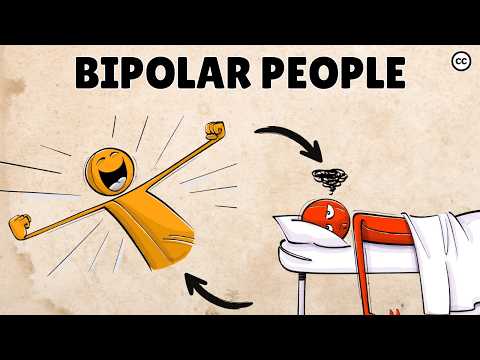
You know, bipolar disorder isn’t just a label. It’s like a rollercoaster ride for your feelings. One moment you’re on top of the world, feeling invincible, and the next? You hit rock bottom.
It can get pretty intense. Some people think it’s just mood swings, but it’s way more complex than that. It messes with your mental health and emotional well-being in ways that can be really hard to grasp.
Imagine trying to explain that to someone who’s never been on that ride. Yeah, it can be tough. So let’s chat about what it really means to live with bipolar disorder and how it affects your emotional landscape, you know?
Understanding the Emotional Impact of Bipolar Disorder: Insights and Experiences
Bipolar disorder can be, well, a rollercoaster ride of emotions. One moment you might feel on top of the world, and the next, you’re crashing down into deep despair. This fluctuation isn’t just tiring; it plays a significant role in how you experience life and how you relate to others.
When someone has bipolar disorder, they go through different “mood episodes.” You’ve got your manic episodes, where everything feels electric—lots of energy, racing thoughts, and maybe even some risky behaviors. It might feel like you can conquer anything! But then there are depressive episodes that hit hard. During these times, simple tasks like getting out of bed can feel monumental.
Emotional Impact
The emotional impact is profound. Imagine having all this energy and then suddenly feeling empty. Or think about being super happy one day and utterly hopeless the next—seriously confusing stuff! You might find yourself questioning your own feelings or wondering if they’re even real. And relationships? They can take a hit too. Friends and family may struggle to keep up with your shifts in mood or don’t understand why you’re acting differently.
And guess what? Often people with bipolar disorder will face stigma from society too. It’s frustrating when others don’t see beyond the mood swings or label them as “crazy.” That really adds an extra layer to emotional well-being.
Daily Life Challenges
Daily life becomes sort of a balancing act. You might have difficulty maintaining employment because of these fluctuations. Like, one week you’re hitting deadlines with enthusiasm; the next week feels like you’re dragging through mud without motivation.
Also, treatment isn’t just about medication; it includes therapy which can help unpack these feelings more thoroughly and equip you with coping mechanisms. It’s like having tools in your toolbox ready for when those highs and lows show up unexpectedly.
Support Systems
Having a support system is another crucial element in managing bipolar disorder’s emotional impact. Friends who understand what you’re going through can be invaluable during tough times—and let’s face it: you don’t have to go through this alone! Support groups are also great places to connect with others who get it.
To wrap it up, navigating life while living with bipolar disorder is no small feat! The emotional ups and downs make everyday experiences uniquely challenging but also offer valuable insights into resilience and understanding oneself better over time.
The Impact of Mental Health on Emotional Wellbeing: Understanding the Connection
Mental health and emotional well-being are like best buddies—they totally influence each other. When you’re feeling mentally healthy, your emotions generally stay pretty balanced. But if something’s off mentally, it can really shake up how you feel emotionally. Take bipolar disorder, for instance; it’s a perfect example of this connection.
Bipolar disorder is like having extreme emotional highs and lows. You’ve got those manic episodes where you might feel invincible or super creative, right? But then, bam! You hit a depressive episode that can leave you feeling hopeless and exhausted. This back-and-forth can seriously impact your day-to-day life.
Understanding the Connection
What happens is that when you’re in a manic phase, everything seems super fun and exciting. You might take on too much—like planning a huge event or starting three new projects at once—because you feel like you can conquer the world. But here’s the kicker: these ups come with risks. Sometimes people say things they don’t mean or make choices they regret later.
On the flip side, during depressive episodes, everyday tasks become mountain climbs. Getting out of bed feels like running a marathon. You might isolate yourself or stop doing things you once loved. This drop in motivation can create a cycle where your mental health affects your emotional state even more.
Effects on Relationships
Your relationships can also take a hit because of how bipolar affects emotional well-being. Friends and family may not understand what you’re going through. So they might feel confused or hurt by sudden changes in how you interact with them—one day you’re bubbly and chatty; the next day you’re quiet and withdrawn.
Communication becomes super crucial here! It’s great to let your loved ones know what’s happening with you emotionally especially during those peaks and valleys.
Coping Strategies
Finding ways to cope can help bridge that gap between mental health and emotional well-being:
- Therapy: Regular sessions with a therapist can make a huge difference.
- Medication: Some folks find that medication helps stabilize their mood swings.
- Support Groups: Connecting with others who get it can help reduce feelings of isolation.
- Mindfulness: Practices like meditation or yoga might help ground you during tough times.
By working on these strategies, you could create a buffer between those intense highs and lows while improving your overall emotional health.
Your Experience Matters
Everyone experiences bipolar disorder differently—you might relate to some things I mentioned but not all of them—and that’s totally okay! The key takeaway is that understanding this connection between mental health and emotional wellbeing is vital for navigating life with bipolar disorder or any mental illness for that matter.
It helps everyone involved to be aware of how intertwined these two are so we can support each other better! You’re not alone in this journey—it really helps to reach out for support when things get tough!
Understanding the Bipolar Mind: Insights into Thought Patterns and Emotions
Bipolar disorder can feel like riding an emotional rollercoaster, don’t you think? One minute, you’re on top of the world, and the next, it can feel like everything’s crashing down. Understanding how this all works in the bipolar mind is key.
Bipolar disorder is really about those extreme shifts in mood. You’ve got two main phases: manic and depressive. During a **manic episode**, which can last days or even weeks, you might feel invincible—like you can conquer anything! Your thoughts race, your energy levels shoot up, and you may have a ton of ideas flooding your mind all at once. But here’s the kicker: this high isn’t just fun; it can lead to risky behavior, trouble sleeping, and problems with judgment.
When the mood swings the other way into **depression**, things can get dark fast. Everything feels heavy. You might struggle to get out of bed or have zero interest in stuff you usually love. It’s like that shadow has taken over your life, making simple tasks feel monumental. This phase is tricky because it’s not just feeling sad; it’s often accompanied by feelings of worthlessness or hopelessness.
Now let’s talk about these thought patterns in a bit more detail:
- Rapid Thoughts: During mania, thoughts race faster than a speeding train. You jump from one idea to another without warning.
- Grandiosity: There might be that pesky little voice telling you that you’re destined for greatness—sometimes not really based on reality.
- Impulsivity: This phase often brings impulsive decisions. You might skip work to go on a spontaneous trip without thinking through the consequences!
- Poor Concentration: In depression, focusing becomes nearly impossible—you could sit there staring at the wall for hours.
- Cognitive Distortions: People with bipolar disorder may experience all-or-nothing thinking; it’s either perfect or terrible.
It’s important to know that these thought patterns aren’t just quirks; they impact emotional well-being significantly. They can affect relationships with friends or family—like when you’re super energetic and chatty one day but then ghost everyone during a depressive episode.
Managing bipolar disorder often involves therapy and sometimes medication to help stabilize those mood swings. Therapy provides tools to cope with emotions and navigate those erratic thought patterns more effectively.
But always remember: it’s okay not to be okay sometimes! If you’re experiencing symptoms yourself or know someone who is, reaching out for help is seriously important. It’s like finding your way back to solid ground after being tossed around in turbulent seas.
So basically, understanding how bipolar disorder works helps pave the road toward better emotional health—one tiny step at a time!
Bipolar disorder, huh? It’s one of those things that, unless you’ve been through it or know someone close who has, can seem a bit confusing. It’s like this emotional rollercoaster where you’ve got these highs—called mania—and deep lows—known as depression—that can come crashing down unexpectedly.
I remember chatting with a friend who was diagnosed a few years ago. One minute, she was bubbling with energy, bouncing off the walls, making plans like crazy. She’d pick up new hobbies every week and was super social. But then there were days when it felt like she was stuck under a heavy blanket, and getting out of bed took every ounce of her strength. Looking at her during both phases really drove home how bipolar can mess with someone’s mental health and emotional well-being.
You see, it’s not just about feeling happy or sad; it’s really changing how you function day to day. When she’s riding a manic wave, it’s thrilling but also risky—like impulsively spending money or saying things that might hurt others’ feelings without realizing until it’s too late. Then you flip to the lows, and everything feels heavy and dark; simple tasks feel impossible.
Relationships can take a hit too. Friends sometimes don’t understand why she can’t just «snap out of it.» And honestly? That lack of understanding can lead to isolation, which is the last thing someone needs when they’re already feeling low.
Medication and therapy play huge roles in managing bipolar disorder—it’s not just about making the highs less high or the lows less low. It’s about finding balance to help steady those swings. So for anyone dealing with this kind of stuff—whether personally or through someone close—it’s important to remember that support matters so much.
In the end, living with bipolar disorder isn’t just about coping with mood swings; it’s really about learning to navigate life’s ups and downs while finding ways to care for your mental health along the way. That journey is never easy; sometimes it’s messy and long—but understanding each other makes those ups-and-downs feel a little less lonely.