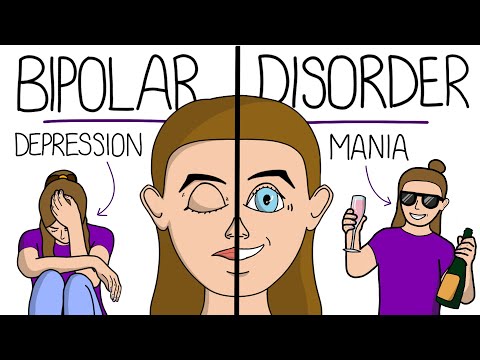
So, let’s chat about bipolar II disorder. You might’ve heard of it, but it’s one of those things that can sound super confusing. Seriously, the ups and downs can feel like riding a roller coaster—one minute you’re on a high, the next you’re in this deep pit.
It’s not just about mood swings either. It’s more layered than that. Think of it like a jigsaw puzzle with missing pieces. And trying to figure that out can be tough.
The DSM criteria? Yeah, they help professionals make sense of all this chaos. But, honestly, it’s about understanding real people living real lives with this condition. It’s not just some textbook definition—there’s a whole human story behind it.
I mean, imagine for a sec being stuck in your own mind like that! So let’s break it down together and shed some light on what bipolar II really means—you know?
Comprehensive Guide to DSM-5 Bipolar II Disorder Criteria: Free PDF Download
Bipolar II Disorder can be a bit tricky to understand. So, let’s break it down in a way that’s easy to get. The DSM-5, which is like the handbook for diagnosing mental health disorders, outlines specific criteria for Bipolar II. Basically, we’re looking at mood swings that can shift between depressive episodes and less intense manic episodes called hypomania.
To qualify as Bipolar II Disorder, you need to meet certain criteria:
- At least one major depressive episode: This means you’ve experienced a period of at least two weeks where you felt really down or lost interest in almost everything. Think of it as feeling like a heavy cloud is hanging over you.
- At least one hypomanic episode: This is different from full-blown mania. During hypomania, you might feel super energetic, more creative, or unusually productive. You may talk faster than usual and have racing thoughts. But it doesn’t lead to severe problems at work or in relationships.
- No manic episodes: If you’ve ever had a manic episode—where your mood is really elevated or irritable for at least a week—that would push your diagnosis toward Bipolar I instead.
- Symptoms must cause distress: The mood changes have to be noticeable enough that they affect how you function in daily life. Like if your friends notice you’re behaving differently or if it’s tough to keep up with responsibilities.
- The symptoms aren’t due to something else: You’ve got to rule out anything else that might be causing these issues—like substance abuse or another medical condition.
It’s not just about having bad days or feeling high occasionally; it’s more about the cycles between those states that can create chaos in your life.
Now let’s chat about symptoms! When someone with Bipolar II experiences depression, they might feel worthless or guilty all the time—or struggle with sleep and appetite changes. Yet during hypomanic episodes, they might have grand ideas and start projects but struggle with following through because their focus wavers.
Think of someone named Sarah. She has periods where she feels on top of the world—she paints all night and connects with everyone around her; then suddenly, she hits a wall and can’t even get out of bed for days at a time. That frustrating flip-flop? Yeah, that’s part of Bipolar II.
Getting treated usually involves therapy and sometimes medication; both can help manage those ups-and-downs better. It’s worth mentioning that having this diagnosis doesn’t mean you’re “crazy” or anything negative—many people lead fulfilling lives while managing their bipolar disorder.
If you’re looking for more information about this—and maybe even some downloadable resources—you could check out official mental health websites for PDFs on these criteria too! They’re helpful if you’re doing research or want something concrete in hand.
So now you’ve got the basics: what makes up Bipolar II Disorder according to the DSM-5! It’s important stuff because understanding it can lead to better support and management strategies for those affected by this condition.
Understanding DSM-5 Bipolar Disorder Criteria: Download Your Free PDF Guide
Bipolar II disorder can be kinda tricky to wrap your head around. You know, it’s not just about mood swings. It’s a specific set of symptoms that can really affect how someone lives their life. The Diagnostic and Statistical Manual of Mental Disorders, Fifth Edition (that’s the DSM-5 for short) lays out clear criteria for what this disorder looks like.
So, let’s break it down. First off, **bipolar II** is characterized by at least one major depressive episode and at least one hypomanic episode. What’s hypomania? Well, it’s a milder form of mania that doesn’t cause major disruptions in your day-to-day activities but still makes you feel pretty good — or maybe even overly good.
Here are the main criteria from the DSM-5:
- Hypomanic episodes: You have to experience at least one hypomanic episode lasting **at least four consecutive days**. During this time, you feel incredibly energized or irritable.
- Depressive episodes: You need at least one major depressive episode that lasts for **two weeks** or more. This can look like feeling hopeless, losing interest in things you once enjoyed, changes in sleep patterns, or even thoughts of death.
- No full manic episodes: To be classified as bipolar II, you’re *not* supposed to have had any full-blown manic episodes. If you did experience mania, then it moves into bipolar I territory.
- The impact on life: These mood changes must seriously affect your daily life—in work, school, or social situations—bringing distress or impairment.
Now you might wonder how this all plays out in real life. Imagine someone named Alex. They usually have periods where they feel super charged: lots of energy to tackle projects and stay up late with ideas swirling around their head—a classic hypomanic phase! But then comes a depressive phase where just getting out of bed feels like climbing a mountain.
It’s important to remember too that being diagnosed isn’t just about feeling “up” or “down.” There are specific patterns and timelines involved.
Sometimes people go for years before getting a proper diagnosis because they think it’s just their personality or they don’t understand what’s happening inside their heads. If you’re going through something similar—or know someone who is—it can help to talk about these experiences with someone who gets it.
In case you’re interested in further details—like if you want to see these criteria laid out visually—you could totally find resources online like free PDFs that explain things in-depth without fluff.
In short: bipolar II isn’t just about swings between feelings; it’s more intricate than that! And surprisingly common too! Understanding these criteria is crucial because the right support and treatment can make all the difference in managing the condition effectively.
Understanding DSM-5 Criteria for Bipolar II Disorder: A Comprehensive Guide
Alright, let’s get into Bipolar II Disorder. It’s one of those things that can be a bit tricky to navigate. So, what do we mean when we talk about the **DSM-5 criteria**? The DSM-5 is the handbook used by mental health professionals for diagnosing mental disorders.
First off, **Bipolar II Disorder** isn’t just about having ups and downs; it involves specific criteria that need to be met. Basically, you’ve got two main mood states: hypomania and depression.
- Hypomanic Episodes: These are like milder versions of mania. They’re not full-blown manic episodes but can make you feel super energized or unusually happy. You might feel more social, talkative, or have racing thoughts.
- Depressive Episodes: This is where the heavy stuff comes in. You might feel really low, lose interest in things you usually enjoy, or struggle with sleep and appetite changes. It can get pretty rough.
Now, let’s break down what qualifies as a hypomanic episode. According to the DSM-5, you need to experience at least 4 consecutive days of this elevated mood along with three (or more) additional symptoms:
- Increased self-esteem or grandiosity
- Less need for sleep (like feeling great after just a few hours)
- More talkative than usual or feeling pressure to keep talking
- Racing thoughts or flight of ideas
- Easily distracted
- Increased goal-directed activities (like starting new projects)
- Engaging in risky behaviors (think spending sprees or risky sexual encounters)
Cool, so that covers hypomanic episodes. Now onto those depressive episodes! You have to experience at least one major depressive episode for a diagnosis of Bipolar II disorder:
- You feel sad most of the day.
- You’ve lost interest in almost all activities.
- You’re either sleeping too much or not enough.
- Your appetite has changed significantly.
- You can’t concentrate well or have indecisiveness.
- You feel fatigued almost every day.
- You might have thoughts of death or even suicide.
These symptoms need to last for at least two weeks. If this sounds like something you’ve experienced before—or someone you know has—you know it can really impact daily life.
Another important thing: these episodes must cause “clinically significant distress” in social functioning or work areas—basically meaning it messes with your ability to live life as you normally would.
Here’s something else: the hypomanic symptoms should never be severe enough to require hospitalization. If they are, it could indicate another type of bipolar disorder instead.
Finally, there’s no substance use involved here either; if these mood changes are caused by drugs or alcohol abuse—it’s not classified as Bipolar II.
So yeah! That’s a solid overview of the DSM-5 criteria for Bipolar II Disorder. Remember that diagnosing mental health issues is complex and needs proper evaluation by a professional who knows their stuff! And if you ever find yourself facing some wild mood swings—reaching out for help is definitely worth it!
Bipolar II Disorder can be a real puzzle, you know? It’s one of those things that, when you first look at it, seems complicated, but when you break it down, it starts to make more sense. I remember chatting with a friend who was struggling with their moods. They had their high-energy days where they felt unstoppable—like they could take on the world! But then, just as suddenly, they’d crash into these deep lows that felt like a thick fog wouldn’t lift. That’s really where Bipolar II shines a light.
Now, according to the DSM (that’s the Diagnostic and Statistical Manual of Mental Disorders), Bipolar II is characterized by these distinct episodes of depression and hypomania. Hypomania? It sounds intense, but it’s not the whirlwind of mania you might think of; instead, it’s more like an elevated mood where you’re super productive and feel great. But the catch? It doesn’t reach the full-blown mania that can come with Bipolar I. Basically, if someone isn’t experiencing that manic state but feels those high energy spells alongside depressive episodes lasting at least two weeks—well, that’s often pointing towards Bipolar II.
The tricky thing here is recognizing these patterns before things get outta hand. And let me tell you—while my friend often embraced the highs for extra hours at work or creative bursts in art or music during their hypomanic phases, the lows would hit hard too; they’d spiral into feelings of hopelessness and lack of motivation. Those depressive moments were darker than a winter’s night sometimes.
The insight here? Understanding cycles can be empowering! Having that knowledge about mental health means there doesn’t have to be so much shame linked with how you’re feeling—it’s part of what makes this disorder what it is. Many folks don’t even realize there’s a name for what they’re going through until they learn about it more deeply.
So yeah, engaging in therapy or support groups makes a difference too. A safe space to talk about those ups and downs can help keep everything balanced—or at least give some tools to cope better when things get tough. When you’re aware of what’s going on inside your head—it doesn’t make it easy—but maybe just maybe helps manage life’s rollercoaster a little better. That’s something I wish more people around my friend knew: That there’s strength in talking about mental health openly instead of keeping everything bottled up inside.