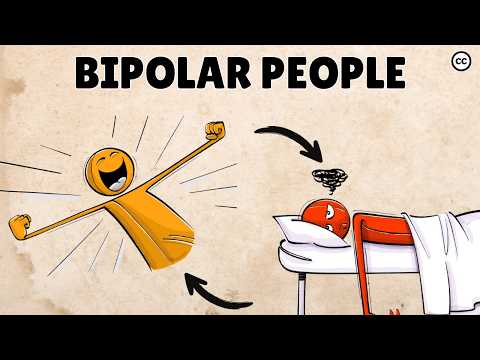
You know those days when you feel like you’re on top of the world? Everything’s bright, and you can’t stop smiling. But then, outta nowhere, it’s like a cloud rolls in.
Suddenly, you’re in a funk, feeling heavy and low. That whiplash of emotions? Yeah, it’s real for many people with bipolar disorder.
Living with it is kinda like riding a wild rollercoaster. And trust me, you’re not alone in this ride.
So let’s chat about the ups and downs of mood changes. You’ll get some insight on what it feels like and maybe pick up some ways to handle those shifts better. Sound good?
Effective Strategies to Manage and Reduce Bipolar Mood Swings
Bipolar disorder can feel like a wild rollercoaster ride. One minute you’re on top of the world, full of energy and ideas, and the next, you’re in a deep pit of despair. Managing those mood swings is crucial for finding stability. While there’s no one-size-fits-all solution, there are some effective strategies to help navigate those ups and downs.
Routine is Key. Keeping a regular schedule can greatly help with mood stabilization. Sticking to consistent sleep patterns, meals, and daily activities creates a sense of normalcy. It might sound boring, but your brain thrives on predictability!
Track Your Moods. Journaling or using apps to log your mood can be super helpful. It lets you spot patterns or triggers that lead to mood changes. Noticing that stress at work spikes your anxiety or excitement could help you prepare in advance.
Manage Stress. Stress is like gasoline on a fire for bipolar symptoms. Finding ways to manage it is essential. Whether it’s through mindfulness practices like meditation or yoga, or just heading outside for fresh air—do what works for you.
Social Support Matters. Surround yourself with people who understand what you’re going through. Support groups or just hanging out with friends who get it can make a massive difference. They remind you that you’re not alone in this.
Medication Management. If prescribed medication, sticking to the plan is super important! Don’t skip doses just because you’re feeling good; it’s all about maintaining balance over time. Talk with your doctor if something feels off; adjusting meds might be necessary.
Healthy Lifestyle Choices. Eating well and exercising can have a profound impact on your mood! Regular physical activity releases endorphins—those feel-good chemicals in your brain! And don’t underestimate the power of hydration and nutrition; they play roles too.
Sometimes, involving Therapy can be beneficial as well. Having someone to talk to who understands bipolar disorder helps immensely. Cognitive Behavioral Therapy (CBT), for example, teaches skills to manage negative thoughts and behaviors effectively.
You know what? Everyone has bad days sometimes; it’s part of being human! But sticking with these strategies can really help cushion those falls when they happen—making the ride just a bit smoother overall.
Remember though: it’s okay to seek help when things get tough! You don’t have to go through this alone; reaching out can be a game changer in managing bipolar mood swings effectively.
Understanding a Bipolar Crash: Symptoms, Causes, and Coping Strategies
Bipolar disorder can feel like a rollercoaster ride, you know? One minute you’re on a high, feeling invincible, and the next you’re crashing down into a pit of despair. These mood swings might feel overwhelming, especially when that “crash” hits hard. Let’s unpack what that means, without getting too technical.
**What is a Bipolar Crash?**
A “bipolar crash” typically refers to the depressive phase following a manic or hypomanic episode. It can be tough because after riding that high wave of energy and creativity, you suddenly drop into sadness or lethargy. Sometimes it feels like you’ve been knocked over by a tidal wave.
**Common Symptoms:**
So, what happens during this crash? Here are some typical signs:
- Severe Sadness: You may feel an overwhelming sense of emptiness or hopelessness.
- Fatigue: Everything feels heavy. Getting out of bed can seem monumental.
- Loss of Interest: Even things you loved doing might seem pointless.
- Difficulty Concentrating: It’s hard to focus on anything for too long.
- Changes in Sleep Patterns: You might sleep way too much or hardly at all.
- Irritability: Little things trigger anger or frustration more easily.
These symptoms can vary from person to person. It’s important to remember that everyone experiences bipolar disorder differently.
**What Causes the Crash?**
The reasons behind these crashes aren’t totally clear-cut. Several factors come into play:
- Chemical Imbalance: Your brain’s chemistry plays a huge role in mood regulation. Disruptions in neurotransmitters can cause crashes.
- Environmental Triggers: Stressful life events—like losing a job or relationship issues—can push someone towards a crash.
- Lack of Sleep: Sleep disruptions often influence mood stability and can lead to feeling down.
There’s also this idea called the “kindling effect.” Basically, each episode may make it easier for future episodes to happen. So it’s kinda like setting off fireworks—you light one fuse, and they keep going.
**Coping Strategies:**
Now let’s talk about how to cope with these crashes because dealing with them is super important.
- Acknowledge Your Feelings: It’s okay to feel sad! Recognizing your emotions can help you process them rather than ignore them.
- Create a Routine: Having structure in your day can give you something to anchor yourself on those harder days.
- Mood Tracking: This might help identify patterns in your moods over time so you’re better prepared for those dips.
- Talk It Out: Counseling can do wonders; opening up about what you’re going through helps lift some weight off your shoulders.
- Avoid Alcohol and Drugs: A little escape might seem tempting but they usually make everything worse in the long run.
Everyone finds their own methods that work best for them; it’s about trial and error sometimes!
Understanding bipolar crashes doesn’t mean they’ll go away entirely, but knowing what they are helps so much. The ups and downs can be tough terrains to navigate, but with support and self-care strategies, you’ll find ways to cope better over time. Remember: if you’re struggling, reaching out is always ok! You’re definitely not alone in this ride.
Exploring the Ups and Downs of Bipolar Disorder: A Comprehensive Guide
Bipolar disorder is like riding a rollercoaster, but without the safety harness. Seriously, this condition brings some wild mood swings. You’ve got your high points—those manic or hypomanic episodes—where you feel on top of the world. Then there are the lows, dragging you deep into depression. It’s a tough gig.
Bipolar disorder isn’t just about changes in mood; it also affects daily life, relationships, and work. During manic phases, you might be more energetic than ever. You’re bursting with ideas and creativity. But then the flip side hits you hard: feelings of sadness or hopelessness during depressive episodes can feel unbearable.
When we talk about manic episodes, imagine feeling invincible. You might stay up all night, finishing projects or planning big dreams that seem totally out of reach when you’re down. It’s thrilling but can lead to risky decisions—like spending sprees or reckless driving.
Then comes the dark phase of depressive episodes. This is where life feels heavy and joy seems out of reach. Getting out of bed feels like climbing a mountain. You might isolate yourself from friends and family because everything feels overwhelming.
You know what’s tricky? The duration and intensity of these episodes vary a lot from person to person. Some people experience rapid cycling—yup, that means they can go through multiple ups and downs in a single week or even days! Others have longer periods of stability in between their mood swings.
Managing bipolar disorder often involves a combination of therapy and medication. Medications like mood stabilizers can help level things out, while therapy provides strategies to cope with these intense emotions and events in your life.
A close friend of mine has battled bipolar disorder for years. She once told me how she’d create art during her high times; there was no stopping her! But when depression hit, she struggled to keep paintbrushes in her hand or even leave her house for days on end. That’s Bipolar in action—a beautiful struggle wrapped up in chaotic moments.
What’s important to remember?
- Bipolar disorder is treatable. With the right support systems in place, individuals can lead fulfilling lives.
- You are not alone. Many people experience similar struggles.
- Open conversation is key. Talking openly about feelings helps break down stigma.
If you resonate with this at all—or know someone who does—just remember that understanding bipolar disorder is an ongoing journey for everyone involved. There’s hope through awareness and support!
Bipolar disorder can feel like riding a rollercoaster, right? You’re up one minute, soaring high above everything, and then the next moment, you’re crashing down into the depths. It’s wild how your emotions can swing from one extreme to another. I mean, imagine feeling so excited that you can’t sleep for days, planning big adventures, and then suddenly being weighed down by this heavy sadness that makes it hard to even get out of bed.
One of my friends has been dealing with bipolar mood changes for years. I remember this one time when she was on a high—she was bubbling with enthusiasm and almost infectious energy. She had all these plans: starting a new project at work, going out every weekend with friends. It felt like we were all caught up in her whirlwind. But then, out of nowhere, she plummeted into a deep funk. Like someone flipped a switch. Suddenly she didn’t want to see anyone or do anything; it was heartbreaking to watch.
Navigating those ups and downs isn’t just tough on the person experiencing them; it’s hard on their friends too. They often want to help but may not know what to say or do during the lows or how to keep up during the highs. That’s why communication is key—so they don’t feel alone in this emotional maze.
Therapy can be a game-changer here. It gives you tools to deal with those mood swings and helps you understand what triggers them. Medications might play a role too; some people find stability through them while others prefer different approaches like meditation or exercise.
But remember there’s no one-size-fits-all solution here! Each person’s experience is unique, and sometimes figuring it all out feels like navigating uncharted territory. You might fall into old patterns or hit bumps in the road along the way, and that’s totally okay! It’s about learning what works for you in managing those fluctuations.
So if you’re close to someone living this reality—or if you’re going through it yourself—know that it’s perfectly normal to have days where everything feels overwhelming or just plain confusing. Just take it moment by moment, and don’t shy away from seeking support when you need it!