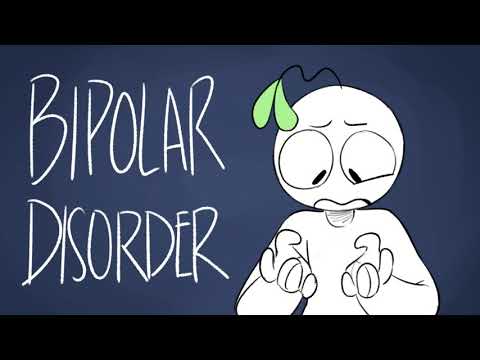
So, you know when you’re feeling super high one day, like you could conquer the world, and then the next day, it’s like a dark cloud just follows you around? Yeah, that’s kind of what bipolar disorder can feel like. It’s a real rollercoaster ride.
Then there’s this whole other thing—multiple personalities or what they call Dissociative Identity Disorder (DID). It sounds straight outta a movie, right? But it’s real and quite different from bipolar stuff.
Think of it like this: one person dealing with ups and downs and another navigating their own unique worlds. Both are about the mind’s incredible complexity. Curious? Let’s dig in a little deeper.
Living with Cluster B Personality Disorder: Effective Strategies for Coexisting with Loved Ones
Living with someone who has a Cluster B Personality Disorder can be pretty challenging. It’s like riding a rollercoaster at times. People with these disorders often have intense emotions, dramatic behavior, and unstable relationships. That’s why understanding what’s going on can really help you co-exist better with your loved ones.
So, first off, let’s break it down a bit. Cluster B includes four main disorders:
- Antisocial Personality Disorder: Often characterized by disregard for others’ feelings or rights.
- Borderline Personality Disorder: Known for extreme emotional swings and fear of abandonment.
- Narcissistic Personality Disorder: Features an inflated sense of self-importance and lack of empathy.
- Histrionic Personality Disorder: Involves excessive emotionality and attention-seeking behaviors.
You might be thinking, “How do I deal with this?” Well, here are some effective strategies to help you navigate those choppy waters.
1. Educate Yourself. Seriously, knowledge is power! Understanding the specific personality disorder your loved one is dealing with can help you respond in ways that are supportive rather than reactive. You might find it helpful to read articles or books about the disorder to get a better grasp on behaviors that might seem perplexing at first.
2. Set Boundaries. This is crucial! Clear boundaries help protect your own mental health while also providing structure in the relationship. For example, if your loved one tends to lash out during arguments, you could let them know that you’ll step away until they’re calm enough to talk things through peacefully.
3. Stay Calm Under Pressure. When emotions run high, keeping your cool can be tough but it’s essential. Practice deep-breathing techniques or mindfulness exercises beforehand so you’re ready when things get heated. Trust me, it makes a difference!
4. Communicate Openly and Honestly. This isn’t about sugarcoating things; it’s about expressing how their behavior affects you while still being compassionate. Use “I” statements to share feelings without sounding accusatory—like saying “I feel overwhelmed when…” instead of “You always make me feel…”.
A friend once told me about her experience living with someone who has Borderline Personality Disorder. There were moments when they’d have fiery arguments followed by intense apologies and affection—it was like an emotional seesaw! Over time, she learned that recognizing triggers helped both of them manage outbursts better.
5. Encourage Therapy. Therapy can be a game-changer for someone grappling with these disorders. If they’re already seeing a therapist or considering it, encourage them! Just remember not to pressure them; sometimes the fear of starting therapy can be overwhelming in itself.
6. Take Care of Yourself Too!. You can’t pour from an empty cup! Make sure you’re taking time for self-care—whether that’s hanging out with friends, indulging in hobbies you love or even talking to a therapist yourself if needed!
Navigating life alongside someone dealing with Cluster B disorders isn’t easy but being armed with knowledge and strategies can totally transform the experience for both of you! And yeah, it’s definitely a journey full of ups and downs—but hang in there; you’re not alone in this!
Exploring Dissociative Identity Disorder: Notable Celebrities Who Have Shared Their Journey
Dissociative Identity Disorder, or DID for short, is a pretty complex condition. It’s often misunderstood and sometimes gets mixed up with other mental health disorders like bipolar disorder. You know? With all the talk about personalities and moods, it can get confusing. But let’s break it down a bit.
So, what’s the deal with DID? Well, this disorder involves a person having two or more distinct identities or personality states. Each of these identities might have its own way of thinking, behaving, and even remembering things. It’s kind of like you’re watching a movie where the lead character changes roles in every scene—only it’s happening in real life.
A lot of people might not realize that some celebrities have bravely shared their experiences with DID. One noteworthy example is actress and singer Lady Gaga. She’s talked about how she developed different personas to cope with trauma and intense emotions. Her journey shows just how complex the human mind can be.
Another prominent figure is actress Claire Danes. In an interview, she opened up about her struggles with mental health and mentioned her experience with dissociation during emotionally challenging times. This kind of honesty from public figures helps in breaking down stigma surrounding mental health issues.
And then there’s the legendary artist Mariah Carey. In her memoir, Carey revealed that she had been diagnosed with bipolar disorder and battled dissociative symptoms as well. Her story emphasizes that living with these conditions doesn’t define who you are; it’s just one part of your journey.
Now jumping back to why DID can sometimes be confused with bipolar disorder: both involve shifts in mood or identity but for very different reasons. Bipolar disorder mostly deals with extreme shifts in mood—like going from super high energy (mania) to deep lows (depression). On the flip side, DID is about having those distinct personalities that take over at different times.
It’s important to remember that living with any mental health condition is tough—celebrity or not! So when celebs open up about their journeys, it’s a reminder for us all to be a bit kinder to ourselves—and each other too.
In closing, understanding conditions like Dissociative Identity Disorder isn’t always easy but hearing real stories makes it more relatable. Everyone has their battles; it’s just part of being human you know?
Understanding Mixed Personality Disorder: Is It a Serious Mental Health Concern?
Understanding Mixed Personality Disorder can be, well, a bit murky. It’s not as commonly discussed as other mental health conditions, but that doesn’t mean it isn’t serious. So, let’s break it down.
Mixed Personality Disorder isn’t a formal diagnosis in the DSM-5 (the go-to manual for mental health conditions). Instead, it’s kinda used to describe people who show traits from different personality disorders at the same time. And that can get complicated pretty fast.
Now you might be wondering how this relates to **Bipolar Disorder** and what’s often called **Multiple Personalities** or Dissociative Identity Disorder (DID). The thing is, while they share some similar features—like mood swings or shifts in behavior—they’re distinct conditions. Bipolar disorder primarily deals with mood fluctuations, while DID involves having two or more separate identities or personalities within one person.
So why should we care about Mixed Personality Disorder? Well, it can lead to all sorts of emotional turbulence. Imagine waking up one day feeling like a completely different person than the day before. You might have wildly contrasting feelings about yourself and how you see the world around you.
Here are some key points to keep in mind:
- Identity Confusion: People dealing with this can struggle with their sense of self, feeling disconnected from their own identity.
- Mood Swings: Similar to bipolar disorder, there are ups and downs that can feel intense and unpredictable.
- Interpersonal Issues: Relationships tend to get rocky. This confusion about oneself makes it tough to connect with others.
A good example? Picture someone named Alex who feels super outgoing one week—hitting up parties and enjoying socializing—then suddenly crashing into a deep depression where they barely leave their room. This back-and-forth isn’t just exhausting for them; it’s tough on friends and family too.
Is mixed personality disorder serious? Yes! It can seriously affect your daily life. If left untreated, people might find themselves increasingly isolated or struggling at work. Plus, there could be an increased risk for self-harm or substance abuse as they try to cope.
The **road to treatment** typically involves therapy—like Cognitive Behavioral Therapy (CBT) which really helps folks reframe negative thoughts—and sometimes medication to manage mood swings or anxiety. It’s all about finding balance and understanding the complexities of your emotions.
In short, Mixed Personality Disorder is significant enough that seeking help is crucial if you recognize any of these signs in yourself or someone else. Remember: it’s okay to reach out for support because understanding ourselves better is an important step in mental health!
So, you know, when people talk about mental health, there’s sometimes this fuzzy line between different conditions. Like, you might have heard of bipolar disorder and then there’s this thing called dissociative identity disorder (previously known as multiple personality disorder). They’re pretty different, yet they both can be misunderstood.
Bipolar disorder is one of those conditions that can really turn your emotional world upside down. You might feel on top of the world one minute, just bursting with energy and ideas — it’s that euphoric mania kind of vibe. Then, bam! You could crash into deep sadness and hopelessness just like that. Imagine being at a party dancing your heart out one second and sitting in the dark alone the next. It can be a wild ride that feels completely out of your control.
Now on the flip side, dissociative identity disorder is more about having distinct identities or “alters,” each with their own traits and memories. It’s like having a whole team inside you that reacts to life differently. Some people might not even remember what happens when another alter takes over. It’s a way for the brain to cope with trauma or stress – kind of like hitting pause when things get too heavy.
A close friend of mine was diagnosed with bipolar disorder in her early twenties. I still remember those late-night chats when she’d share her highs — like how she was convinced she could write a bestselling novel in a week — followed by her crushing lows where just getting out of bed felt monumental. It was tough to see her struggle but also incredible to watch her harness that energy during stable periods.
I once met someone who had dissociative identity disorder too. They’d switch between personalities in conversation! At first, I thought it was all an act or something from a movie, but hearing their story opened my eyes to how deeply intertwined experiences shape us as humans.
So yeah, both conditions come from such different places but carry this heavy weight on the shoulders of those who live with them. It’s important to understand these nuances because they really affect how people navigate their lives and relationships. And let’s face it: compassion goes a long way in breaking down stigma around mental health issues like these.
Honestly, no one wants their brain to feel like it’s at war with itself—it’s exhausting! Understanding these differences can help build empathy and support for ourselves and others dealing with these complex realities every day.