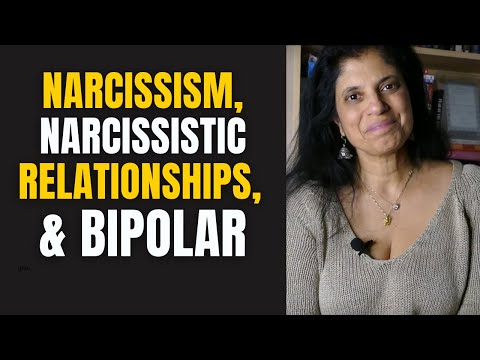
So, you’re scrolling through Reddit, right? And you stumble upon these wild discussions about bipolar and narcissism. It’s like a whole other world in there.
People sharing their experiences, stories, and yeah, some serious struggles. You’ve got folks trying to untangle the messy relationship between these two conditions. It’s riveting—and a little heartbreaking.
Like, have you ever seen someone go from super charming to dark and moody in a split second? That’s the kind of stuff we’re dealing with here.
You think you might understand it all until you dive deeper into what people are saying. It’s intense, layered, and often confusing. So let’s chat about it!
Exploring the Connection: Do People with Bipolar Disorder Exhibit Narcissistic Tendencies?
Sure, let’s talk about the connection between bipolar disorder and narcissistic tendencies. It’s a topic that pops up pretty often, especially in online discussions like those on Reddit, where people share their personal experiences and insights.
First off, **bipolar disorder** is primarily a mood disorder. It’s characterized by extreme mood swings that can shift from manic highs to depressive lows. On the other hand, **narcissism** involves traits like self-centeredness, a need for admiration, and sometimes a lack of empathy. Now, while they are not the same thing, there can be some overlap in behaviors during certain phases of bipolar disorder.
When someone with bipolar disorder is experiencing a manic episode, they might come off as very confident or even arrogant. They may seem invincible—like nothing can stop them. This might feel similar to narcissistic behavior since they’re often seeking validation and may disregard how others feel. So it’s easy to see why some would link the two.
Understanding the Differences
It’s important to recognize that what looks like narcissism during mania isn’t necessarily true narcissism. During these highs, people with bipolar disorder might be engaging in risky behavior or making impulsive decisions without any malice behind it. They’re caught up in this whirlwind of energy and excitement—like being on a rollercoaster that won’t stop!
But when they drop into depression? It’s a whole different ballgame. Suddenly that confidence vanishes, replaced by feelings of worthlessness or guilt. This strong contrast isn’t what you’d typically see in someone with narcissistic personality traits.
- Context Matters: If someone exhibits self-centered behavior during mania but feels deeply inadequate during depression, it suggests those traits are tied to their mood rather than a fixed personality trait.
- Long-Term Patterns: For a diagnosis of narcissistic personality disorder (NPD), these traits would have to be persistent over time and across different situations—not just linked to mood swings.
- Self-Reflection: Many individuals with bipolar disorder can reflect on their actions during manic phases and recognize when they’ve acted differently than usual.
One person shared online how after coming down from a manic episode, they felt regret for how they treated friends during those high times. They weren’t walking around thinking they were better than everyone; it was more about being caught up in themselves without realizing it.
Anecdotal Insights
Another discussion mentioned a person who struggled with both conditions—narcissistic traits and bipolar disorder—and described feeling torn between wanting validation and battling intense feelings of shame later on. It’s kind of heartbreaking because these conflicting emotions can really mess with someone’s mental health journey.
So there’s no simple answer here; it’s all shades of gray! The connection between bipolar disorder and narcissistic tendencies can lead to misconceptions but understanding these nuances is key. You get this glimpse into how complicated human psychology really is when you look at it closely.
Sometimes labels make things easier for us to digest—but life isn’t always so black-and-white, right?
You know, scrolling through Reddit can be a real trip sometimes. I stumbled upon discussions about bipolar disorder and narcissism, and wow, it really got me thinking. It’s wild how often these two topics pop up together, sparking debates and dragging in personal stories.
One thread caught my eye—this person shared their experience living with a loved one who has bipolar disorder and narcissistic traits. They talked about the rollercoaster ride of emotions, from the highs of feeling adored to the lows of feeling completely invisible. I could feel the frustration and confusion leap off the screen. It’s not just about dealing with mood swings; it’s also navigating that self-centeredness that makes every interaction so complex.
What stands out to me is how people often mix up these conditions or assume they’re always linked. Sure, some folks with bipolar disorder might show narcissistic traits, but not everyone does. And not all narcissists experience bipolar episodes either! It’s like trying to fit pieces from two different puzzles together—sometimes it works, but usually it just leaves you scratching your head.
And then there’s the emotional toll on those supporting someone with these traits. I remember a friend who was in a similar situation. She felt like she was constantly walking on eggshells, never knowing if today would be a “high” day or a “low” one where her partner would just shut down or lash out. That kind of mental gymnastics can wear anyone out!
Discussions on Reddit are valuable because they shed light on real experiences—often raw and unfiltered. While it’s super important for people to share what they’re going through, you’ve got to take everything with a grain of salt, right? Not every story speaks for all experiences.
It’s fascinating (and sometimes disheartening) how mental health conversations evolve online, blending personal anecdotes with psychological insights from various posters who claim expertise in certain areas. You can find advice that ranges from “you should just leave” to “try therapy.” But at the end of the day, everyone has their unique journey with mental health stuff; no one-size-fits-all solution exists.
So yeah, those discussions—both enlightening and chaotic—remind us that mental health is complicated and nuanced. If you’re navigating relationships affected by bipolar disorder or narcissistic traits—or anything else for that matter—it helps to find supportive spaces where you feel understood without any judgment hanging over you like a dark cloud. The journey is tough enough as it is!