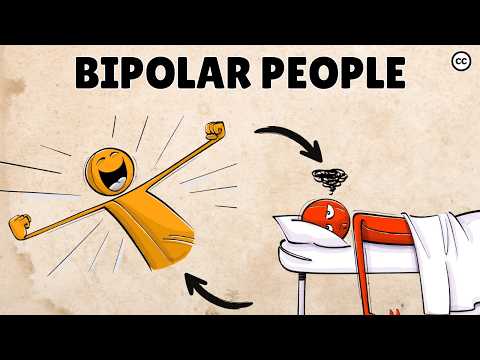
So, let’s chat about living with Bipolar One Disorder. It’s one of those things that can feel like a rollercoaster ride, you know? Ups and downs that can catch you off guard at any moment. Seriously, it’s a wild ride.
Imagine waking up one day feeling like you could conquer the world. You’re buzzing with energy, ideas flowing like a river. But then, just as quickly, you crash down into this deep dark pit where even getting out of bed feels like climbing a mountain. That’s what it can be like.
I’ve heard stories from folks who live with it. The mood swings can be tough to navigate. It’s not just about feeling happy or sad; it’s way more complicated than that. It affects relationships, work, and everything in between.
But here’s the thing: understanding bipolar isn’t only about the challenges. There are ways to manage it and still find joy and meaning in life. So let’s dig into what living with Bipolar One is really like and how you can ride those waves without wiping out!
Understanding the Psychological Perspective of Bipolar Disorder: Insights and Implications
Bipolar disorder is one of those conditions that’s often misunderstood. You might know it as that thing where people go from super happy to really down, but there’s way more to it than just mood swings. The psychological perspective on bipolar disorder shines a light on what’s happening inside your head when you’re grappling with it, and trust me, it’s pretty complex.
First off, let’s talk about the two main moods associated with bipolar disorder: mania and depression. During a manic phase, you might feel invincible, full of energy, and able to tackle anything life throws at you. Imagine feeling like you can outrun a cheetah! But then there’s the crash into depression, where everything feels heavy and even getting out of bed seems like climbing Mount Everest. The thing is, these mood shifts can be extreme and often leave people feeling confused about themselves.
Now, if you’re looking at bipolar disorder from a psychological standpoint, the interplay of genetics and environment cannot be ignored. Studies show that if someone in your family has bipolar disorder, you’re more likely to experience it too. But here’s where it gets tricky: not everyone with a family history will develop it. Environmental factors—like stress or trauma—can also trigger episodes in people who are predisposed to the condition.
Then there’s the way we process emotions. People with bipolar disorder often have heightened emotional sensitivity. This means that small things can feel like huge events. Let’s say your best friend forgets your birthday; while some might shrug it off easily, for someone with bipolar disorder, it could spiral into feelings of worthlessness or intense anger.
In terms of therapy approaches, Cognitive Behavioral Therapy (CBT) is popular among folks dealing with this condition. It helps by teaching coping strategies to manage the rollercoaster of moods and thoughts that can come up. Think of CBT as a toolbox – when you’re feeling overwhelmed by racing thoughts in mania or paralyzed by sadness in depression, those tools can help you navigate through.
Medication also plays a critical role. Mood stabilizers are commonly prescribed because they help reduce the peaks and valleys of this emotional ride. However –and this is super important– finding the right medication can take time and often requires some trial and error.
What really stands out here is the implications for daily life. Living with bipolar disorder means constantly learning about yourself—what triggers your episodes and how to manage them effectively. You might find yourself developing strong routines or practicing mindfulness techniques like meditation or journaling just to keep things steady.
And here’s an emotional piece: imagine being at a party with friends one minute feeling on top of the world then suddenly secluded in a corner feeling like nobody cares about you at all within moments—that’s what life can be like without solid coping strategies in place.
So yeah, navigating life with bipolar disorder requires a deep dive into understanding not only the condition itself but also how it affects every layer of who you are—your relationships, work-life balance—even how you see yourself on good days versus bad ones. It’s a journey filled with ups and downs but knowing there’s support out there makes all the difference.
Understanding the Daily Struggles of Bipolar Disorder: Insights and Coping Strategies
Bipolar disorder can feel like a relentless rollercoaster ride. You’re flying high one moment, and then suddenly, you’re down in the dumps. This condition isn’t just about mood swings; it’s about navigating life with extremes, which can be overwhelming.
Daily struggles with bipolar disorder often include managing those intense mood fluctuations. One moment you might feel like you’re on top of the world—chatty, creative, and full of energy—and then just as quickly, you could spiral into a deep depression where getting out of bed feels impossible. It’s like your emotions are on a constant seesaw.
A lot of folks with bipolar disorder say social interactions can be tricky. When you’re manic, it might feel easy to talk to anyone and everyone. But during depressive episodes? It’s common to isolate yourself and ghost your friends. That’s tough because social support is crucial for mental health.
Then there’s the impact on routine. Keeping up with daily tasks can be hard when one minute you’re motivated and the next, you’re unable to function properly. Imagine trying to keep a job while feeling that way! You might struggle with consistency at work or even things like paying bills or maintaining relationships.
Stress is another biggie. Everyday life has its own challenges—work deadlines, family obligations, or even just keeping your space tidy—but when you’re dealing with bipolar disorder, those stressors can amplify everything and make it harder to cope.
So how do people manage these ups and downs? Coping strategies vary from person to person but can include:
- Routine: Keeping a structured schedule helps create stability.
- Mindfulness: Practices like meditation or yoga can ground you during chaotic moments.
- Therapy: Talking things out with a therapist provides insight and coping mechanisms.
- Medication: While not everyone may need it, some find that medications help level out their mood swings.
- Support networks: Connecting with loved ones or joining support groups offers understanding from others who get it.
Let me share an example: my friend Zoe has been living with bipolar disorder for years now. She swears by her routine—waking up at the same time every day helps her kick-start her mornings even when she’s feeling low. And during manic phases? Well, she channels that energy into art projects which not only keeps her busy but gives her an outlet for all those vibrant feelings.
It’s important to remember that people experience bipolar disorder differently. What works for one person might not work for another. Adjusting coping strategies takes time and patience—kind of like figuring out which shoes fit best after trying a bunch on!
Awareness is key here too! The more you understand bipolar disorder—its triggers and patterns—the better equipped you’ll be at managing it day-to-day. It’s all about learning what tools work best for you in this challenging journey.
Bipolar disorder presents unique daily challenges but facing them head-on makes all the difference. With support, strategies in place, plus understanding and patience both from yourself and others, it becomes much more manageable over time. Remember: you aren’t alone in this; there are ways through!
Understanding Oversharing in Bipolar Disorder: Insights into Communication Patterns
Bipolar disorder can really mess with how someone communicates. You might notice that people with this condition sometimes share a bit too much information, especially during a manic episode. So, let’s break down what oversharing means in this context and why it happens.
When you think about oversharing, you might picture someone spilling their deepest secrets to strangers or talking endlessly about their feelings. Well, in bipolar disorder, this can happen quite often. During manic phases, folks may feel extra energetic or invincible. This intense mood can lead them to share things they usually wouldn’t even think about discussing.
The thing is, during those highs, there’s often a rush of thoughts and emotions that’s hard to keep bottled up. It’s like being on a rollercoaster; everything feels heightened and exciting. This rush can make it tempting to dive deep into personal stories or feelings when chatting with others—sometimes even people they barely know!
Here are some key points about why this happens:
- Increased impulsivity: When someone’s in a manic state, their impulse control takes a hit. They might blurt out thoughts without filtering them first.
- Desire for connection: Sometimes it’s just wanting to connect with others on a deeper level quickly.
- Difficulty recognizing social cues: Individuals may struggle to read the room and sense when too much info is being shared.
It’s not just random chatting; there’s often an emotional need driving the behavior. For instance, someone might start sharing their latest creative project in great detail—like how they painted an entire wall of their living room bright purple at 2 AM—and feel totally elated doing so. But then later, they might realize they swung way too far into personal territory.
But hey, it’s not just one-sided! Friends and family might be caught off guard by these conversations and feel unsure how to react. They may want to support but could also feel overwhelmed or confused by what’s happening.
This communication pattern can pose challenges in relationships too. Sometimes people are put off by such openness or even become protective—or worse, uncomfortable—when the oversharing crosses boundaries.
Now here comes the tricky part: managing oversharing involves finding that sweet spot between expressing oneself freely and maintaining healthy boundaries. Practicing mindfulness during conversations could help someone recognize when they’re overdoing it and hit pause before diving into topics that might be too personal for a given situation.
Treatment options also play an essential role here. Therapy can help individuals develop better communication skills while managing their moods more effectively—for example, Cognitive Behavioral Therapy (CBT) helps them gain insights and change unhelpful patterns of thought.
Navigating life with bipolar disorder isn’t easy; it’s like trying to balance on a seesaw—you’ve got your highs but also those lows tugging at you! But understanding why oversharing happens can help everyone involved navigate these waters more smoothly together!
Living with bipolar I disorder can feel like being on a rollercoaster that you never really signed up for. You know those days when everything feels so bright and alive, and you’re just bursting with energy? That’s the manic side kicking in. It’s exhilarating, like you’ve got superpowers. But then, out of nowhere, that dark cloud rolls in, dragging you down into a pit where even getting out of bed feels like climbing a mountain. It’s this constant back-and-forth that can be really tough to handle.
Take my friend Jake, for example. He’s incredibly talented—writes music that makes your heart soar—but he struggles so much with the ups and downs of bipolar disorder. One minute he’s composing beautiful melodies at 3 AM and the next, he barely has the strength to pick up his guitar. During one of his manic phases, he once wrote an entire album in just two weeks! It was amazing to witness how creative he became during those times. But then came the crash where he’d be isolated for days, barely speaking to anyone.
From a psychological viewpoint, managing bipolar I involves more than just medication—although that’s super important too—it’s about understanding those highs and lows. There are therapy options that focus on maintaining stability like Cognitive Behavioral Therapy (CBT). It’s kind of about rewiring your thought patterns to help maintain an even keel or using mindfulness techniques to keep you grounded when life feels chaotic.
And let’s not forget about support systems! Friends and family can play such a crucial role in helping someone navigate this disorder. I remember when Jake was at his lowest point; we all rallied around him. Just having someone there makes a difference.
Honestly, living with bipolar I disorder isn’t just about fighting through the rough patches; it’s also about celebrating those high moments and learning from both sides of the spectrum. Each experience shapes who you are; they become part of your story which is unique to you alone. And hey, even though it can feel isolating or overwhelming at times, knowing there are people who get it—even if it’s just a handful—can help lighten that load a bit.
So yeah, navigating life with bipolar I disorder is definitely challenging but also reveals strength and resilience in ways you might not expect. Embracing every part—the highs and lows—can lead to some pretty profound moments of connection and creativity along the way.