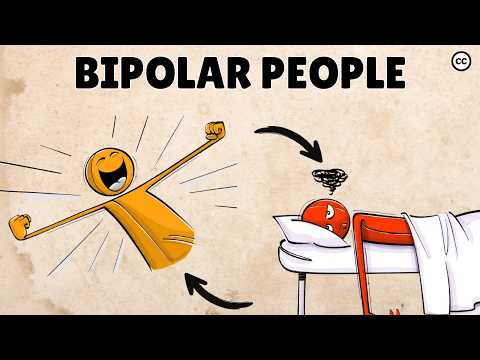
So, you know how life can feel like a rollercoaster? One minute, you’re on top of the world, and the next, you’re staring at the ceiling wondering what’s wrong. Seriously, it’s exhausting.
Now throw bipolar disorder into the mix, along with anxiety and depression. It’s like having a party in your head that you didn’t even plan for! You’ve got mood swings that swing harder than a pendulum and feelings that can hit like a freight train.
You’re not alone in this wild ride. Many folks are navigating these ups and downs together, trying to find some balance. It can feel overwhelming, but trust me—there’s hope and ways to cope.
Let’s chat about what this all means and how you can make sense of it without losing your mind in the process. Sound good? Alrighty then!
Exploring the Connection: Does Bipolar Depression Lead to Increased Anxiety?
So, let’s get into this whole connection between bipolar depression and anxiety. It’s a tangled web, for sure. You see, bipolar disorder usually involves big mood swings—like really high highs (mania or hypomania) and deep lows (depression). But here’s the kicker: when you’re in one of those depressive episodes, it can really amp up feelings of anxiety.
When someone is dealing with **bipolar depression**, they often feel helpless and low energy. And during these times, anxiety might creep in like an unexpected guest at a party you didn’t throw. You’re already feeling down, and then bam! Anxiety shows up to make everything worse. It’s kind of like being stuck under a heavy blanket while someone’s blasting music nearby—you just can’t escape it.
But why does that happen? Well, during depressive episodes, your brain’s chemistry is thrown off balance. This impacts not just the mood chemicals like serotonin and dopamine but also those linked to anxiety. So when you’re feeling low from bipolar depression, your brain can get all mixed up with worry and fear—leading to increased anxiety.
Now let’s break down how this connection looks in real life:
- Heightened feelings of worthlessness: When you’re experiencing bipolar depression, you might start doubting yourself more than usual. This can build into anxiety about what others think or how you fit into the world.
- Panic attacks: It’s not uncommon for someone dealing with both conditions to experience panic attacks when feeling overwhelmed by their depressive thoughts.
- Physical symptoms: Anxiety can manifest physically—like racing heartbeats or shortness of breath—which only adds more stress on top of the existing depression.
- Cycle of negativity: When struggling with both conditions, you might find yourself caught in a cycle of negative thoughts that feed each other: feeling depressed leads to anxious thoughts, which makes the depression feel even heavier.
Here’s an example for clarity: Imagine Sarah, who has bipolar disorder. During her depressive phase, she starts obsessing over everything—her job performance feels inadequate; she worries about friendships deteriorating; plus there’s nagging anxiety about future plans. The weight of all these worries just buries her deeper into that pit of despair.
And here’s where things get tricky: Sometimes people don’t recognize their anxiety as part of their bipolar disorder symptoms because each condition can mask the other. You think it’s just «the blues,» but really it’s layered with anxious feelings too.
So what’s the takeaway here? It’s essential to look at these conditions together because they can seriously affect how you manage treatment and recovery. There are therapies that specifically target both issues at once—like Cognitive Behavioral Therapy (CBT)—that help sort through those tangled thoughts without adding more stress.
In short, yeah, **bipolar depression can definitely lead to increased anxiety**. If you or someone close to you is struggling with this combination, talking openly about both conditions can be super helpful in finding ways forward!
Exploring the Best Treatment Combinations for Managing Bipolar Depression
Bipolar disorder can be a real rollercoaster, right? One minute you’re on top of the world, and the next, you’re in a deep pit of despair. Managing those ups and downs is no easy feat, especially when it comes to bipolar depression. The thing is, there’s no one-size-fits-all answer for treatment combinations. You gotta find what works best for you. So let’s break it down a bit.
Medications often play a big role in treatment plans. Common options include mood stabilizers like lithium and anticonvulsants such as lamotrigine. Some people also benefit from atypical antipsychotics like quetiapine or aripiprazole. Combining these with antidepressants can sometimes help, but you got to be cautious about the potential for triggering manic episodes.
And then you got therapy. Seriously, finding a good therapist can make all the difference. Cognitive-behavioral therapy (CBT) is often recommended because it helps you challenge those negative thinking patterns that drag you down during depressive episodes. Plus, it teaches practical tools to handle everyday stressors.
But here’s where it gets interesting—lifestyle changes can have a huge impact too! Regular sleep patterns? Super important! If your sleep is outta whack, your mood probably will be too. And don’t forget about exercise; even just taking a walk can boost those feel-good hormones.
Nutrition matters as well. Eating balanced meals might not sound like much, but fueling your body properly can seriously affect how you feel emotionally.
Sometimes combining treatments makes sense too. For example:
- Medication + Therapy: A solid combo that addresses both chemical imbalances and emotional struggles.
- Therapy + Lifestyle Changes: Changing how you eat or sleep while talking things out in therapy can have lasting effects.
- Medication + Lifestyle Changes: Taking your meds while making healthy lifestyle choices may improve overall well-being.
And don’t overlook support groups!. Meeting others who get what you’re going through can offer real comfort and new ideas about managing symptoms.
So yeah, figuring out the right mix takes time! You might go through some trial and error before hitting on what feels best for your specific situation. But stick with it—whatever combination ends up working will be worth it in the long run!
Understanding Manic Episodes of Anxiety: Symptoms, Causes, and Coping Strategies
Manic episodes of anxiety can feel like you’re riding a roller coaster, but the track is pretty shaky. It’s often a mix of that hyperactive energy with intense feelings of anxiety. Let’s break this down so it makes sense.
Symptoms of these manic episodes can include:
- Increased Energy: You might feel like you’ve got a never-ending battery. It’s like being wired after a triple espresso, only more intense.
- Racing Thoughts: Your mind could be jumping from one idea to another faster than you can keep track. It’s frustrating when you’re trying to focus.
- Irritability: You might find yourself snapping at the tiniest things. Seriously, like your friend forgetting to text back could send you over the edge.
- Sleeplessness: You may feel too energized to sleep but then be exhausted later on. Think of it as your brain deciding it doesn’t need rest.
- Anxiety Symptoms: Heart racing, sweating, and even feeling jittery—common anxiety signs can heighten during these episodes.
The causes of manic episodes tied with anxiety aren’t always clear-cut. It’s often a cocktail of different factors:
- Bipolar Disorder: If you have bipolar disorder, manic episodes are part of the package deal. The anxiety can ramp up during these times.
- High levels of stress—whether from work, personal relationships, or major life changes—can trigger an episode.
- Family history plays a role too. If mental health issues run in your family, it might increase your risk.
- Alcohol or drugs can affect your mood and amplify symptoms, leading down a rough path.
Now let’s talk about some Coping Strategies. Dealing with manic episodes and anxiety is like having tools in your mental toolbox. Here are some ways to manage those tough moments:
- Meditation and Mindfulness: Taking time to breathe deeply or focusing on the present can help ground you when things start spinning out of control.
- This means creating a daily schedule that includes time for work, exercise, and relaxation—it provides structure in chaotic times.
- You don’t have to go through this alone! Talking to friends or family members about how you’re feeling goes a long way.
- If things get heavy, seeing a therapist or counselor is key—a trusted professional can provide guidance tailored just for you!
You know what? Sometimes just accepting where you’re at helps too! It’s okay to not be okay all the time. I mean, we all have those days when feelings bubble up uncontrollably. Just remember: there’s light at the end of every tunnel—even if it seems really far away sometimes.
So yeah, understanding these manic episodes is crucial if you’re navigating bipolar disorder alongside anxiety and depression. Be patient with yourself as you figure out what works best for you because everyone’s journey is unique!
Okay, so let’s talk about navigating the twists and turns of bipolar disorder, depression, and anxiety—all at once. Seriously, it can feel like being on a rollercoaster that never stops. One minute you’re up, feeling invincible, and the next you’re down in the depths, wondering if you’ll ever come back up again.
I remember a friend of mine who dealt with this mix. She often said it felt like her emotions were on a wild pendulum swing. One day she’d be planning out big adventures with this crazy high energy; the next day, just getting out of bed felt like climbing Everest. And when anxiety jumped into the mix? Wow. It’s like turning that pendulum into a full-blown tornado.
Bipolar disorder is tricky because it can create these shifts in mood that feel completely beyond your control. You know how sometimes you wake up feeling totally refreshed and ready to take on the world? Imagine waking up one day with that energy only for it to crash down to despair the very next morning. It’s confusing! Not just for those living with it but also for their friends and family trying to understand what’s going on.
And then there’s anxiety—it can add an extra layer of chaos to everything. It sneaks in during those high-energy times too. You’re buzzing with ideas but suddenly paralyzed by worries about how you’ll execute them or what others might think; it feels like being caught between clouds and quicksand all at once.
But here’s the thing: there are ways to tackle all this—together! Therapy can help unpack each aspect of these mental health challenges—like sorting laundry: you focus on one color at a time rather than throwing everything in together and causing chaos! Then there’s support from loved ones who can offer comfort when things get rough.
Medication might also be part of it for some people—it doesn’t automatically fix everything but can help balance things out so life feels manageable again. And remember self-care? Seriously crucial! Little things like journaling or meditation might seem small but they pack a punch in aiding emotional regulation.
Navigating through bipolar disorder, depression, and anxiety isn’t straightforward or easy—it’s more like a winding road full of potholes—but you don’t have to do it alone. With support, understanding yourself better, and maybe some professional guidance along the way, there’s hope for brighter days ahead—even if they feel far away sometimes. Just take it one step at a time because that journey can truly reshape how you see yourself and your experiences overall.