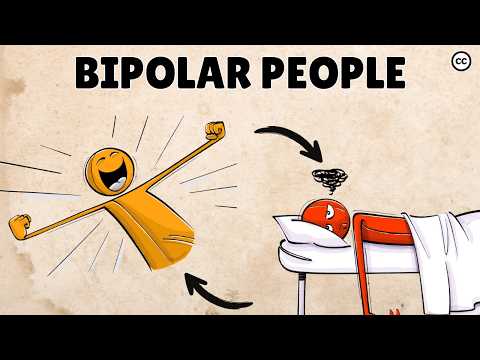
You know how life can feel like a rollercoaster sometimes? Up one minute, down the next? That’s kind of what living with bipolar disorder is like.
It’s like your emotions are on high-speed, twisting and turning all over the place. One moment you might feel on top of the world, and then the next, everything feels heavy and gray.
I’ve talked to folks with this experience, and let me tell you—it can be wild. But there’s so much more to it than just those crazy mood swings.
It’s about learning how to ride those emotional waves without getting totally wiped out by them, ya know? So grab a comfy seat, because we’re about to explore what that journey looks like.
Effective Coping Mechanisms for Managing Bipolar Disorder: A Comprehensive Guide
Living with bipolar disorder can feel like riding an emotional rollercoaster. One moment you’re up, buzzing with energy and creativity, and the next, you might crash into frustration or sadness. Managing it isn’t easy, but there are definitely ways to cope effectively. Let’s dive into some strategies that can help you ride those waves a bit smoother.
Understanding Your Triggers
The first step is to really get to know yourself. What triggers your mood swings? Is it stress at work? Changes in routine? Maybe even certain people or situations? Keep a journal to track your moods and the events surrounding them. This can help you pinpoint patterns and prepare for what’s next.
Establishing a Routine
Creating a daily routine can be super stabilizing. Try to wake up, eat meals, exercise, and go to bed around the same time every day. It might sound a little boring, but predictable schedules can create a sense of safety and normalcy.
- Sleep Hygiene: Sleep is crucial for mental health. Depriving yourself of rest can trigger episodes. So, make your bedroom comfy—dark curtains, cool temperature—whatever helps you snooze better.
- Nourishment: Eating regular meals with balanced nutrients can seriously impact your mood stability.
Mindfulness Practices
Mindfulness is about being present in the moment without judgment. Techniques like meditation or yoga can be really powerful tools for managing stress and anxiety. Just sitting quietly for a few minutes each day helps ground you during emotional turbulence.
- Meditation: There are tons of apps out there that guide you through meditation.
- Breathing Exercises: When feeling overwhelmed, try deep breathing; inhale through your nose for four counts, hold it for four counts, then exhale out through your mouth for six counts.
Therapy Support
Don’t shy away from reaching out for help! Therapy can be a huge asset. Cognitive Behavioral Therapy (CBT) helps you identify unhelpful thought patterns and replace them with more positive ones. Plus, having someone who understands what you’re going through makes all the difference.
Coping Strategies During Mood Episodes
Sometimes despite all our efforts, mood changes just happen. If you sense an upcoming manic phase—like an unusual burst of energy—you might want to:
- Avoid Major Decisions: Hold off on big life choices when feeling super high or low.
- Create Safety Plans: Know what steps you’ll take if things get out of hand; this could mean contacting someone when noticing early signs of mania.
When feeling down, do things that normally bring you joy—even if it feels forced at first! Whether it’s listening to music or going for a walk—small steps matter.
The Power of Community
Connecting with others who understand what you’re going through is invaluable—support groups offer comfort in shared experiences. They remind you that you’re not alone in this journey.
Sustainability: Medication Management
Medication is part of many people’s treatment; finding the right balance with your doctor is key here! Some folks find mood stabilizers helpful while others respond better to antipsychotics or antidepressants.
Managing bipolar disorder involves building lots of small habits over time that make life feel more manageable amidst its challenges. You won’t have all the answers right away; just remember: it’s okay not to have everything figured out! With patience and practice—and maybe some help along the way—you’ll find coping strategies that work best for you!
Understanding Life with Bipolar Disorder: Personal Experiences and Insights
Bipolar disorder can feel like a wild rollercoaster ride. One moment, you’re soaring high, feeling invincible and full of energy. The next, you crash down into a dark pit, where everything seems gray and heavy. You know what I mean? It can be really tough to navigate those emotional waves, but understanding how it works can help.
So, let’s break it down. Bipolar disorder is mainly characterized by **mood swings** that range from intense highs (mania or hypomania) to deep lows (depression). During manic phases, you might feel super excited, talk fast, or have racing thoughts. But then there’s the flip side—when the depression hits, it can leave you feeling hopeless and exhausted.
For example, my friend Jamie has bipolar disorder. When she’s in a manic phase, she dives into new projects with so much enthusiasm that it’s contagious. But once the lows hit? Everything feels like too much effort just to get out of bed. She describes it as being trapped behind a heavy curtain; things seem distant and unreachable.
Living with bipolar disorder means learning how to ride those emotional waves without getting wiped out completely. Here are some things that can help:
- Recognize triggers: Identifying what triggers your mood swings can make a big difference. For example, stress at work or lack of sleep might send you spiraling.
- Stick to routines: Keeping a consistent schedule for sleeping and eating helps stabilize your mood.
- Communicate: Talk openly with friends or family about what you’re going through. They won’t always understand perfectly but having their support matters.
- Treatment options: Medication and therapy are vital tools for managing bipolar disorder. They don’t cure it but can help balance out those extreme emotions.
And speaking of medication—let’s touch on that briefly! Some people find that medications like mood stabilizers really help keep those waves from getting too choppy.
Another key part of living with bipolar disorder is self-care. You’ve got to find ways to ground yourself during the highs and lift yourself during the lows. Maybe it’s through exercise or hobbies or spending time in nature—whatever floats your boat!
Also, it’s important to be patient with yourself and your journey. Progress isn’t always linear; some days will be awesome while others will feel like wading through mud. Jamie sometimes says it’s exhausting just trying to keep up with herself! Remembering that ups and downs are part of the deal can ease some pressure.
Ultimately, living with bipolar disorder involves navigating those rocky paths while finding what brings you joy and stability along the way. And although this journey may seem daunting at times—you’re not alone in this!
Essential Coping Skills for Bipolar Disorder: Download Your Free PDF Guide
Living with bipolar disorder can feel like riding an emotional rollercoaster. One minute, you’re on top of the world; the next, you might feel like you’re in a pit. That’s why having some essential coping skills in your back pocket is super important. So, let’s get into it.
First off, understanding your own emotions is key. It’s like having a weather forecast for your feelings. You know when to bring an umbrella or when to wear sunglasses. Tracking your mood can help you spot patterns and triggers that lead to those wild highs or lows.
And then there’s the whole thing about creating a support network. Seriously, don’t go it alone! Reach out to friends or family who get it—people you can turn to during tough times or just when you need to vent.
Next up, think about developing a routine. Structure can be your best friend here. Having set times for meals, sleep, and activities helps keep things balanced. It’s grounding and gives your day some rhythm—a little stability amid all the chaos!
Another great tool is learning relaxation techniques. Ever tried deep breathing? Or maybe progressive muscle relaxation? Both are awesome ways to ease anxiety when those emotional waves start crashing down on you.
Mindfulness practices are also super helpful. It’s all about being present and aware without judgment. You could try meditation, yoga, or even just taking a mindful walk outside. Those moments of calm can really help stabilize your mood over time.
Also, don’t underestimate the power of journaling! Writing down your thoughts and feelings can be surprisingly liberating. It helps clarify what you’re experiencing and serves as a safe space just for you.
When it comes to medication—if you’re prescribed any—staying consistent is key too. Talk openly with your doctor about how you’re feeling; adjustments may be necessary along the way.
Finally, always remember: it’s okay to ask for help. Whether it’s therapy or support groups, reaching out isn’t a sign of weakness—it’s strength! There are people who understand what you’re going through and can offer guidance.
Bipolar disorder doesn’t have to define you; these coping skills can help you navigate those emotional waves more smoothly over time.
Living with Bipolar Disorder can feel like riding a rollercoaster, you know? One minute you’re up, feeling on top of the world, and the next you’re down in a valley that seems endless. I remember this one time, my friend Sarah shared how she felt invincible during her manic phase—she’d stay up late planning big projects and dreaming up wild ideas. It was like she was lighting fireworks in her brain. But soon enough, she’d crash into a depression that left her feeling like the weight of the world was on her shoulders.
Bipolar Disorder just isn’t your average mood swing deal. It’s way more nuanced than that. There are these intense emotional waves that just come outta nowhere. You could be binge-watching your favorite show, laughing at all the right moments, and then—bam!—everything feels heavy and dark. And it can be confusing for those around you too. Friends might not get why you’re sometimes bouncing off the walls and other times barely talking.
The thing is, learning to navigate those emotional highs and lows takes time and patience. You start recognizing your triggers—the little things that send your mood on a wild ride. Maybe it’s stress at work or not getting enough sleep; those factors can really mess with your balance.
Coping strategies also play a huge role here. Like Sarah learned to keep a mood journal to track her emotions through each day, giving her insights into patterns that could help manage episodes before they spiral too far out of control. And then there’s therapy—having someone who gets it and can guide you through is invaluable.
But let’s be real here: living with Bipolar is still tough even with all those tools in place. Sometimes it feels like all this effort is just trying to keep from being swept away by these emotional tides that don’t seem to care about logic or reason.
So yeah, if you or someone you know deals with Bipolar Disorder, just know you’re not alone in this crazy emotional journey. Those highs? They can feel euphoric! And those lows? They hurt—but they don’t define who you are as a whole person. With compassion for yourself and support from others, navigating those waves becomes a little more manageable every day.