Hey, so let’s talk about something real. You know those days when it feels like the sun just forgot to show up? Seriously, that can hit hard, especially if you’re dealing with bipolar seasonal depression.
It’s like this rollercoaster of emotions, and when winter rolls around, everything gets heavier. But here’s the thing: you’re not alone in this. A lot of folks know exactly what you’re going through.
Finding ways to cope can feel like searching for a needle in a haystack. But don’t worry! I’m here to share some thoughts on how to make it through the tough moments without losing your mind—should be interesting, right? Let’s dive into some practical stuff that might just help brighten those darker days a bit.
Effective Strategies for Overcoming Seasonal Depression: Tips for a Brighter Winter
Seasonal depression, also known as Seasonal Affective Disorder (SAD), can feel like a heavy blanket rolling in when winter hits. You might find yourself battling low energy, a sense of hopelessness, or even irritability. But don’t worry; there are effective strategies to help you cope with the darker months. Let’s break down some realistic approaches that might just light up your winter days.
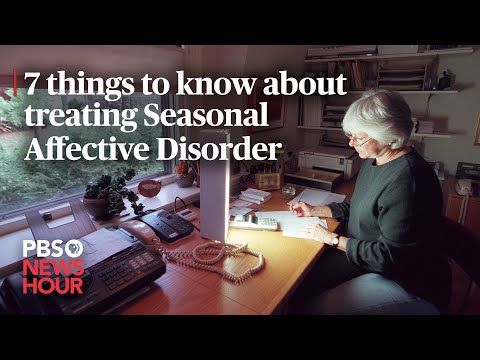
First up, light therapy. This is a biggie when it comes to managing seasonal depression. You know the way sunlight makes you feel warm and happy? Well, using a light therapy box that mimics natural sunlight can really elevate your mood. Just about 20-30 minutes in front of one each morning can help get your body’s internal clock back on track.
Then there’s exercise. Seriously, moving your body can be a game-changer! When you’re feeling down, it might seem like the last thing you want to do. But even a short walk outside or some stretching indoors can boost those feel-good chemicals called endorphins. I once had a friend who started running just 10 minutes each day during winter, and it really turned her mood around.
Another strategy is to stay social. When you’re dealing with the winter blues, isolation can creep in fast. Make it a habit to reach out to friends or family—even if it’s just through text or video calls. Plan virtual game nights or movie marathons. Connecting with others helps remind you that you’re not alone in this; we’re all kind of sharing the same struggle.
Nutrition plays its part too! Eating well-balanced meals packed with nutrients is crucial for feeling good overall. Foods rich in omega-3s—like fish and flaxseed—can help improve mood as well. Trust me, incorporating these into your diet could really pay off during those chilly months.
Don’t forget about mindfulness practices. Techniques like meditation or deep-breathing exercises can ground you when everything feels overwhelming. Even setting aside just five minutes daily for these practices can make a surprising difference over time.
Lastly, if things get particularly tough, considering professional help isn’t something to shy away from. Therapists have tons of strategies tailored specifically for seasonal depression and could provide valuable support through cognitive-behavioral therapy (CBT). Sometimes just talking things out helps lift the fog.
So yeah, while seasonal depression can cast its shadow over our lives each winter, there are ways to push through it effectively! By using light therapy, staying active, nurturing connections with loved ones, watching what you eat, practicing mindfulness techniques, and seeking professional help if needed—you’re giving yourself tools for navigating these dark days ahead!
Understanding Seasonal Affective Disorder: Signs, Symptoms, and Effective Strategies for Relief
Seasonal Affective Disorder (SAD) can feel like a heavy blanket, especially when the days get shorter and the weather gets colder. It’s like you wake up one day and suddenly, everything feels gloomier. But what exactly is it? Well, it’s a type of depression that typically hits during specific seasons—most often in fall and winter. The thing is, it’s more than just feeling a bit down; it can really mess with your daily life.
Signs and Symptoms
So let’s talk about what to look out for. You might notice changes in your mood. Maybe you feel sad or hopeless more often than not. A friend of mine, Sarah, experienced this during winter months. She’d start feeling this weight on her chest every time the sun went down early.
- Fatigue: You may feel tired all the time or want to sleep more.
- Changes in appetite: Some people crave carbs or sweets, while others lose their appetite.
- Difficulty concentrating: Tasks that used to be easy now feel overwhelming.
- Irritability: Little things may start to annoy you more than usual.
It’s essential to recognize these signs because they can sneak up on you. If you’ve felt this way for two weeks or more during those dark months, it could be SAD.
Coping Strategies
But don’t worry! There are ways to lighten that load. Here are some effective strategies people have found helpful:
- Light therapy: This involves sitting by a special light box that mimics natural sunlight. It might sound silly at first but trust me, it can boost your mood significantly.
- Stay active: Even if it’s chilly outside, moving your body helps a ton! Try walking or maybe dance around your living room—it really does help lift that fog.
- Mood tracking: Keep a journal about how you’re feeling day-to-day. This can help spot patterns and find out what works best for you.
- Stay social: Isolation can make things worse, so try connecting with friends or family—even if it’s just a quick text or video call!
- Nutritional support: Eating well can also make a difference—like increasing omega-3s through fish or nuts, which are great for brain health.
You know, finding what works for you might take some time and experimentation but hang in there!
The Importance of Professional Help
Sometimes these strategies aren’t enough on their own. That’s perfectly okay! Reaching out to a mental health professional could be key. They might suggest cognitive behavioral therapy (CBT), which helps change negative thought patterns into more positive ones.
And hey—if medication is suggested? Don’t hesitate! It doesn’t mean something’s broken; it just means you’re getting the support you need.
Look, navigating SAD isn’t easy. It’s like being stuck in this mental winter while everyone else seems to bask in sunshine—it’s tough! But facing those feelings head-on through understanding and effective coping mechanisms? That’s where the hope lies.
So as those dark days come around again, remember: You’re not alone in this journey! With some awareness and support, there’s plenty of light waiting at the end of the tunnel.
Effective Ways to Support a Loved One Struggling with Seasonal Depression
Supporting someone you care about who’s dealing with seasonal depression can be tough, but it can also make a real difference in their life. This type of depression often hits during the fall and winter months when daylight is scarce. It’s like that heavy blanket of gray clouds just won’t lift. Here are some ways to effectively support your loved one.
Be Present and Listen
Sometimes, just being there for someone is golden. You don’t have to solve their problems or give them advice all the time. Just listen when they talk about what they’re feeling. Let them vent without jumping in to fix things right away. That alone can feel like a relief.
Encourage Light Exposure
Light therapy is often recommended for folks with seasonal depression because it mimics natural sunlight. Suggest getting outside during daylight hours—even a quick walk around the block can help! If they can’t get outside much, maybe you could help them find a light therapy box to use at home.
Keep Them Engaged
It’s really easy for someone feeling down to want to isolate themselves—like they’re in a cozy but sad bubble. Encourage them gently to join you in activities, whether it’s cooking together, going out for coffee, or binge-watching shows on the couch. Even small social interactions matter.
Watch for Signs
Be attentive to how they’re doing day-to-day. Are they sleeping too much or too little? Have their eating habits changed? If you notice anything unusual that worries you, don’t hesitate to bring it up gently and express your concern.
Promote Healthy Habits
Remind your loved one about the importance of regular exercise, good nutrition, and sleep hygiene—not as an order but as friendly suggestions based on what you’ve read or heard before! Maybe suggest cooking a healthy meal together or trying out yoga videos online.
Help Find Professional Support
Sometimes talking to someone outside the family helps more than we realize. Encourage them (without pushing) to consider counseling or therapy if they haven’t already sought help. Offer to help find resources or go with them if they’re nervous about taking that step.
Create Routines Together
Having structure can be really beneficial. Help create daily routines that include small goals—things like “let’s take a 10-minute walk today” or “how about we try cooking something new this weekend?” Routines give a sense of purpose even during tough times.
Remember, it’s all about being patient and compassionate while helping your loved one navigate through this tough season of their life! You won’t have all the answers, but showing that you care goes a long way in supporting them through those dark winter months.
Coping with bipolar seasonal depression can feel like you’re riding a rollercoaster in the dark. One minute, you’re on top of the world, feeling like you can conquer anything, and the next, you’re sinking into a pit where even getting out of bed seems impossible. If you know someone who battles this, or maybe you do yourself, it’s tough to navigate those ups and downs—especially when seasons change.
I remember a friend of mine who lights up every room she walks into during the summer months. But come fall? It’s like watching a flower wilt. She’d mention how those gloomy days would sneak up on her, dragging her mood down with them. The shorter days zap her energy and motivation. It’s almost as if the sun turns off her internal light switch!
So how do we deal with this? For starters, routine can be your best buddy. Keeping a consistent schedule might help smooth out those emotional bumps. Try to wake up and go to bed around the same time every day. Trust me, it might sound boring at first but having that structure is like giving your brain a map through some foggy terrain.
Also, don’t underestimate the power of light—natural sunlight is amazing! When you can’t catch those rays outside because the day’s just too short or too dreary, using a light therapy lamp can be a game changer. Seriously! It’s like bringing your own slice of sunshine indoors.
And let’s not forget about support—you’ve gotta lean on your friends and family during these times! It’s easy to isolate yourself when things get tough though; I totally get it. I mean, you don’t wanna feel like a burden or drag anyone down with negative vibes. But reaching out for coffee or just chat might actually lift that weight off your shoulders.
Therapy could also be helpful if things seem overwhelming. Talking through your thoughts with someone who gets it can provide new perspectives or coping strategies you hadn’t considered before.
The thing is, it’s all about finding what works for you personally—everyone has their own style of coping. Sometimes it takes time to figure out what fits best in your life.
Remember that dips in mood are normal and seasonal changes might intensify those feelings even more when you’re dealing with bipolar disorder. So if one path doesn’t work today? Don’t stress too much; just keep exploring different ways to feel better because there are lots of tools out there waiting for you to discover them!