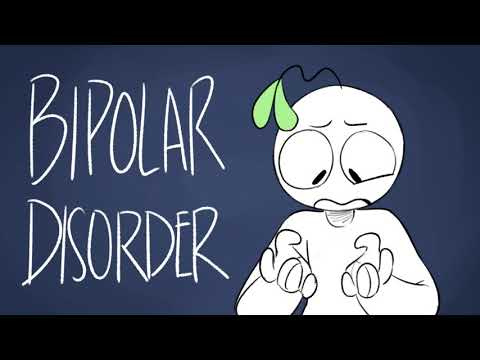
You know, bipolar spectrum disorder can feel like a rollercoaster ride you didn’t sign up for. One minute, you’re soaring high, feeling invincible and full of energy. The next, it’s like a fog rolls in, and everything feels heavy and dark.
It’s confusing, right? A real emotional whirlwind. Sometimes you might wonder if anyone really gets it or if you’re just riding this crazy wave all alone.
But here’s the deal: you’re not alone. Lots of people are navigating this journey. We’ll break it down together—what it is, how it affects your life, and what help looks like.
So grab your favorite drink, settle in, and let’s chat about what it means to live with bipolar spectrum disorder.
Exploring the Journal of Bipolar Disorders: Insights, Research, and Treatment Advances
Bipolar spectrum disorder can be pretty complex, and for anyone dealing with it—or supporting someone who is—understanding the nuances is super important. The *Journal of Bipolar Disorders* dives deep into research, insights, and treatment advances that can help. Let’s break down what you might find in there, so you feel more in the loop.
First off, what is bipolar disorder? Well, it’s not just mood swings; it’s like riding an emotional roller coaster. People with this disorder can experience extreme highs (mania or hypomania) and lows (depression). And these shifts aren’t just for a day; they can last for weeks or longer.
When researchers explore the journal, they often focus on new findings about how bipolar disorder develops. Genetics play a role—if someone in your family has it, your risk increases. But environmental factors do too! Stressful life events can trigger episodes, which makes understanding personal histories crucial.
There’s also a focus on comorbid conditions. Many folks with bipolar disorder also struggle with anxiety disorders or substance use issues. This overlap complicates treatment but understanding it helps professionals tailor their approaches better.
So what about treatment advances? The journal covers a range of therapies—from medication to psychotherapy. Medications like mood stabilizers and antipsychotics can be game-changers. But finding the right one isn’t always straightforward—you’ve got to work closely with healthcare providers to figure out what works best for you.
Therapy is another key piece of the puzzle. Cognitive-behavioral therapy (CBT) helps folks change negative thought patterns associated with mood swings. And for some people, learning about mindfulness techniques can really help them manage their emotions more effectively.
Here’s where it gets interesting: researchers are looking into innovative treatments. For instance, there’s ongoing exploration into using technology—like mobile apps—to track moods and symptoms in real time. This data can inform treatment decisions and help people stay on top of their mental health in a more proactive way.
Importantly, community support plays a big role too! Support groups offer those living with bipolar disorder a space to share experiences and strategies. Feeling understood by others who “get it” can be incredibly powerful.
In summary, exploring insights from the *Journal of Bipolar Disorders* means you’re tapping into vital resources that not only enhance understanding but also boost treatment options available today. Remember to approach this journey with patience and an open mind—it takes time to find what works best for you or someone you care about.
Breaking the Silence: Understanding and Overcoming the Stigma of Bipolar Disorder
Bipolar disorder can feel like a rollercoaster. One minute you’re flying high, feeling invincible, and the next, you’re down in the pit, wondering if things will ever get better. The ups and downs are no joke, but what’s often more challenging is the stigma surrounding it. Seriously, people have all sorts of misconceptions that can make it feel isolating.
The stigma comes from fear and misunderstanding. A lot of folks just don’t get what bipolar disorder really means. They might think it’s just mood swings or that you’re somehow «crazy.» This kind of thinking can lead to judgment, shame, and even discrimination. Imagine not being hired for a job simply because someone couldn’t see past that label. It’s frustrating!
So here’s the thing about breaking that silence: education is key. When people understand that bipolar disorder is a real mental health condition—just like diabetes or asthma—they’re less likely to judge. It’s all about knowledge! We need to spread awareness about the symptoms like manic episodes, depressive episodes, and everything in between.
But how do we start?
- Talk openly. When you feel ready, share your experience with trusted friends or family members. You’d be surprised at how much more supportive people can be when they know what you’re going through.
- Challenge stereotypes. If someone makes a comment that shows they don’t understand bipolar disorder, gently correct them or share facts to clear up misconceptions.
- Encourage others. If someone you know is dealing with their own mental health issues—or you suspect they might be—encourage them to seek help. Nobody should suffer in silence.
Now, I remember a friend of mine who was diagnosed with bipolar disorder after years of struggling alone. She kept hearing «just cheer up» whenever she felt down or «you seem fine!» when she was up in her manic phase. It was hard for her to open up at first because she felt so misunderstood! But once she started talking about her experiences and educating those around her? Wow! People really started listening.
Another critical part of overcoming stigma is reaching out for professional help when needed—don’t shy away from therapy or medication if that’s what’s right for you! It’s part of building your support system.
In closing (not that I want this to sound overly formal), let’s remember: breaking the silence around bipolar disorder isn’t just about combating stigma; it’s also about creating a community where everyone feels safe and accepted for who they are—ups and downs included!
Understanding the Psychopathology of Bipolar Disorder: Key Insights and Implications
Bipolar disorder is a complex condition that can feel like riding a rollercoaster, with wild ups and downs in mood. It’s not just about feeling super happy one day and deeply sad the next. There’s a lot more to it. The thing is, this spectrum of emotions can happen really quickly or last for long periods, making life pretty unpredictable.
What Is Bipolar Disorder?
Basically, it’s a mental health condition affecting your mood, energy levels, and activity levels. You can experience manic episodes, where you might feel euphoric or extremely irritable, and depressive episodes that can leave you feeling hopeless and drained.
- Mania: During these episodes, you might feel invincible—like you can conquer the world! You could be super productive or overly talkative. But it’s also when risky behaviors can sneak in—like spending sprees or impulsive decisions.
- Depression: This side is heavy. You may find it hard to get out of bed or even enjoy things you used to love. It’s like wearing lead boots; everything feels slow and daunting.
Now, let’s dig into what makes bipolar disorder a bit tricky from a **psychopathological perspective**. Basically, the brain circuitry involved in mood regulation gets all jumbled up.
Brain Chemistry
Neurotransmitters are the brain’s messengers—think serotonin and dopamine as the usual suspects here. In bipolar disorder, their levels fluctuate significantly. When you’re manic, dopamine levels might be way up; during depression, serotonin takes a hit.
But there’s also genetics at play! If someone in your family has bipolar disorder, your chances of experiencing it increase too. It’s like inheriting a set of traits—good or bad—that doesn’t skip generations easily.
Coping Strategies
Living with bipolar disorder requires some solid strategies to manage those ups and downs:
- Mood Tracking: Keeping an eye on your moods can really help spot patterns.
- Self-Care: Regular sleep and healthy eating matter way more than we often realize.
- Therapy: Working with someone who gets this stuff can provide powerful tools for handling everything that comes your way.
A good friend of mine has been battling bipolar II disorder for years. Sometimes he feels on top of the world during hypomania—like he could write a bestseller in one sitting! Then there are days when just getting up seems impossible for him. Through therapy—and understanding his own cycle—he learned how to manage his moods better.
Finally, medications such as mood stabilizers often play an important role in treatment plans but remember—it’s crucial to work closely with a psychiatrist. If you’re feeling lost navigating these waters alone? Don’t hesitate to reach out! Support systems matter more than we often acknowledge.
So yeah, bipolar disorder isn’t straightforward; it’s layered like an onion with each layer revealing something new—a mix of biology and life experiences that’s unique to each person dealing with it.
Bipolar Spectrum Disorder, huh? It’s like this rollercoaster ride that no one signed up for. I mean, really, just imagine being on a thrill ride where you go from feeling over the moon one moment to sinking into a dark pit the next. It can be exhausting, not just for the person experiencing it but also for their loved ones too.
A friend of mine struggled with bipolar disorder for years. There were days when he was full of energy, like he could conquer the world. He’d tackle projects and make plans with friends, living life at 100 miles per hour. But then there were those other days—days when even getting out of bed felt like climbing a mountain. It was tough to watch someone you care about endure such stark shifts in mood and motivation.
So, what’s going on with bipolar? Well, it’s more than just mood swings; it’s about these extreme highs (known as mania or hypomania) and lows (depression). These phases can last from days to weeks—or even longer. The thing is, not everyone experiences it the same way. Some folks may cycle through moods quickly, while others might have long stretches of stability.
What can really throw people off is how sneaky it can be—those ups feel amazing initially but can sometimes lead to risky behaviors or decisions you wouldn’t normally make. It’s like being in a whirlwind where you’re having fun until suddenly you realize things aren’t okay anymore.
But here’s where it gets interesting: the treatment side of things has come a long way. Therapy can be incredibly helpful in finding coping strategies and understanding triggers better; plus, medication often plays a significant role in stabilizing moods. This combo helps many folks lead fulfilling lives despite their struggles.
Though navigating this disorder is complicated—it takes patience and persistence from everyone involved—the hope is always there. With support systems and proper management, many live vibrant lives filled with creativity and passion.
So if you know someone dealing with bipolar spectrum disorder or if you are yourself—just hang in there! There are ways to ride out those intense highs and devastating lows together because no one should have to go through that alone.