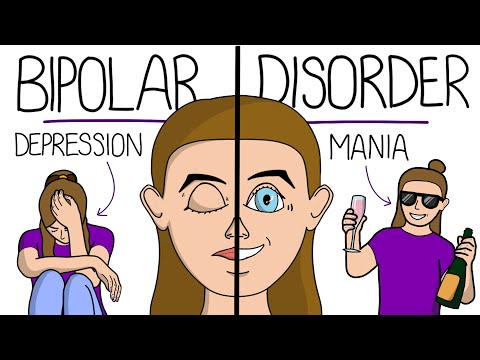
So, you know that feeling when your mood can totally flip in a heartbeat? Like one minute you’re on cloud nine, and the next, it feels like you’re in a deep pit? Yeah, that’s kinda what bipolar disorder is about.
It’s not just having good days and bad days. Oh no, it goes way deeper than that. It’s like riding a rollercoaster with some insane highs and crushing lows.
A friend of mine once described it as being on a ship during a storm—one minute you’re sailing smoothly, and the next, waves are crashing all around you.
If you’ve ever seen someone struggling with this or if it’s part of your own life, I’m here to break it down for you. Let’s chat about what bipolar disorder really is and how it affects people day to day.
Understanding the Mind: Insights into How a Person with Bipolar Disorder Thinks
Understanding the mind of someone with Bipolar Disorder can be a real eye-opener. This condition affects mood and energy levels, leading to extreme highs (mania or hypomania) and lows (depression). You see, it’s not just about having mood swings; it’s like being on a rollercoaster where the peaks and valleys are way more intense than what most people experience.
When someone is in a manic phase, they might feel invincible. They could have loads of energy, racing thoughts, and feel incredibly creative. It’s like they’re on top of the world. You might hear them talking fast, jumping from one idea to another. For instance, my friend once painted an entire mural overnight because she just couldn’t stop. She felt so alive! But then comes the crash.
On the flip side, during a depressive episode, everything feels heavy and dark. The simplest tasks can seem monumental. A person might struggle to get out of bed or lose interest in things they used to love. I remember another friend who loved cooking but went weeks without stepping into the kitchen because everything felt pointless. It’s tough to wrap your head around how those feelings can switch so drastically.
Now, let’s talk about how this impacts thinking patterns:
The thing is, these shifts aren’t just annoying; they profoundly affect relationships and daily life. Friends may struggle to understand why a person changes so drastically from being the life of the party one day to isolating themselves the next.
Support systems play a huge role here too. Having understanding friends or family makes waves of difference. They help remind someone that even when they’re feeling super low or out-of-control high that there are ways back toward stability.
In therapy options like cognitive-behavioral therapy (CBT) or medication management can also help manage symptoms effectively by teaching coping strategies for dealing with those intense emotions.
So yeah, understanding bipolar disorder means acknowledging that it’s not just «happy» and «sad.» It encompasses many shades of emotions—and sometimes it’s like living in two worlds at once!
Understanding Bipolar Disorder Symptoms in Women: A Comprehensive Guide
Bipolar disorder can be a real rollercoaster, especially when it comes to women. The symptoms often show up differently, and understanding what’s going on is super important. It’s not just about mood swings; it’s more complex than that.
First off, let’s break down the main types of symptoms. Bipolar disorder is typically divided into two main categories: depression and mania. When a woman is experiencing depression, it might look like this:
- Feelings of sadness: This isn’t your regular sadness; it can feel heavy and unshakeable.
- Loss of interest: Things that once brought joy suddenly feel pointless.
- Fatigue: Even small tasks can seem overwhelming.
- Irritability: You might notice a shorter fuse than usual.
And then there’s the manic phase, which can be like flipping a switch:
- Elevated mood: You might feel on top of the world, like nothing can touch you.
- Increased energy: Sleep becomes less important; you might go days with hardly any shut-eye.
- Racing thoughts: Ideas come and go so fast it’s hard to keep up.
- Poor decision-making: This could lead to risky choices or impulsive behavior.
Now here’s something you should know: women often experience **mixed features** during their episodes. This means they might feel both depressed and manic at the same time. Imagine feeling energetic but also really sad—it’s confusing and exhausting.
The situation gets even trickier during certain life stages. Hormonal changes—from puberty to pregnancy and menopause—can really kick symptoms into high gear or throw them off balance. For instance, some women notice shifts in their mental health tied to their menstrual cycle. It’s like a cruel joke your body plays.
One thing that’s super important is recognizing triggers. Stressful events or changes in routine can send someone spiraling into an episode. And let’s not forget genetics; if there’s a family history of bipolar disorder, risk factors increase.
So how do you deal with all this? Treatment usually involves therapy and possibly medication. Therapy helps in understanding emotions better—it’s like having someone guide you through those crazy ups and downs.
It’s essential for women experiencing these symptoms to reach out for help when things get tough. Support from friends, family, or support groups can make a huge difference.
Bipolar disorder isn’t just about «being moody.» It’s an intricate condition that affects many parts of life, especially for women who face unique challenges. Like I mentioned earlier—understanding the nuances makes all the difference in navigating life with bipolar disorder.
If you’re feeling overwhelmed or think someone you care about may be dealing with these symptoms, don’t hesitate to reach out for professional help. It could change everything for them!
Understanding the Causes of Bipolar Disorder: Key Factors and Insights
Bipolar disorder can feel like a rollercoaster ride you didn’t sign up for. One moment you’re on top of the world, and the next, you’re in a deep valley. Understanding what causes this condition is key to managing it.
First off, let’s talk about the **genetics**. If someone in your family has bipolar disorder, your chances of having it go up significantly. It’s like inheriting a pair of wacky genes that throw your mood levels out of whack.
Another huge factor is **environmental triggers**. Life events like trauma, major stress, or even significant changes can trigger episodes. For instance, let’s say you just lost a job or had a nasty breakup; that stress could push someone into a manic or depressive episode.
Then there’s the role of **brain chemistry**. Changes in neurotransmitters—those little messengers in our brains—can affect mood regulation. Think of them as workers trying to keep everything running smoothly; if they’re not doing their jobs right, things get messy.
Furthermore, certain medical conditions can play into this too. People with chronic illnesses or substance abuse problems might find that they experience more severe symptoms related to bipolar disorder. So it’s not just about one factor but how they all connect together.
And let’s not ignore the strong effects of **hormones**! Fluctuations during puberty or even pregnancy can trigger episodes for some folks dealing with bipolar disorder.
In essence, it’s not just one thing causing this mental health challenge; it’s a mix of genetics, environment, brain chemistry, and other personal factors that come together in complex ways.
So if you’ve been riding this rollercoaster—or know someone who is—it helps to consider all these pieces of the puzzle when trying to understand what might be happening under the surface.
Bipolar disorder is one of those things that can feel really complex, you know? It’s not just about feeling happy one moment and sad the next. There’s a lot more going on under the surface. I remember a friend of mine, let’s call her Jess. She had these incredible bursts of energy when she was in a manic phase—talking a mile a minute, planning out all these big projects. You could almost feel her excitement buzzing in the air. But then, just like that, she would crash into deep sadness, feeling hopeless and exhausted. It was hard to see someone I cared about go through such extreme highs and lows.
Basically, bipolar disorder involves mood swings that can range from manic episodes—where you might feel supercharged and invincible—to depressive episodes filled with feelings of sadness or emptiness. These aren’t just regular mood swings; they can interfere with daily life and relationships in pretty significant ways. Sometimes Jess would pull away from friends and family during her low times, making it tough for all of us who wanted to support her.
There are different types of bipolar disorder too—like Bipolar I and Bipolar II—which differ mainly in the severity of the manic episodes. In Bipolar I, those manic phases can be pretty intense and often last for at least a week or so. In Bipolar II, you might experience less severe mania (called hypomania) but still go through those tough depressive spells.
One important thing to keep in mind is that people with bipolar disorder often need professional help to manage their symptoms effectively. This might involve therapy or medication—whatever works best for them personally because everyone’s experience is unique.
Look, mental health issues like this can carry a bit of stigma sometimes. People often jump to conclusions or misunderstand what it really means to live with bipolar disorder. That’s why understanding it better is key! If you’ve got a friend going through something similar, showing empathy and support makes such a difference.
So yeah, if you ever see someone experiencing those highs and lows—maybe it’s a friend or loved one—it can help to remind yourself that it’s not just about being “moody.” There are real challenges behind those shifts in emotions, ones that people like Jess are bravely facing every day.